
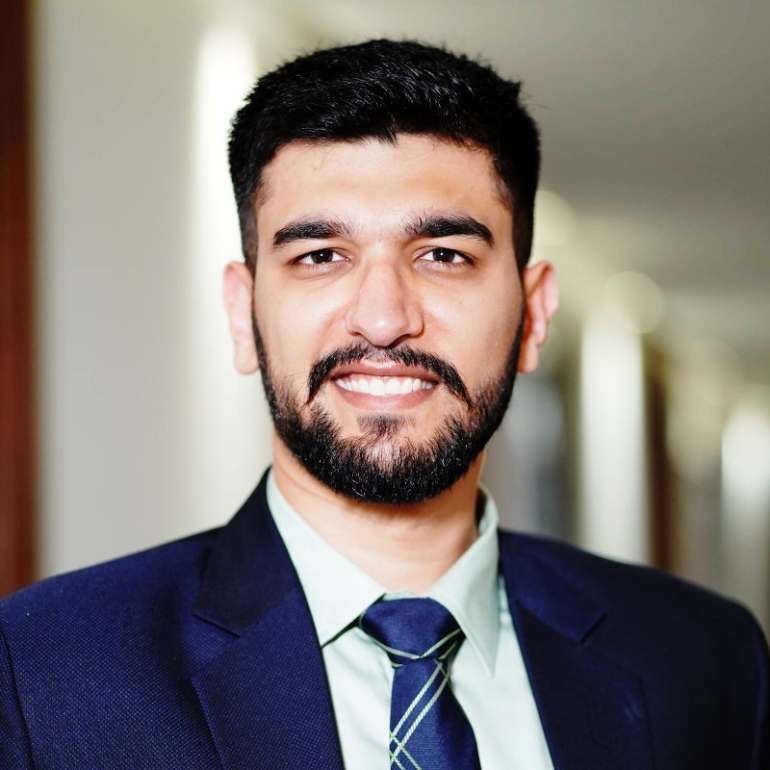
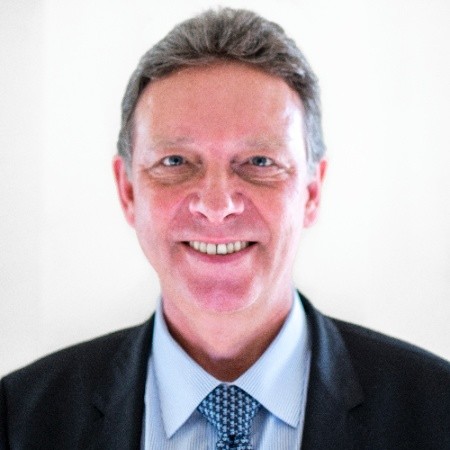
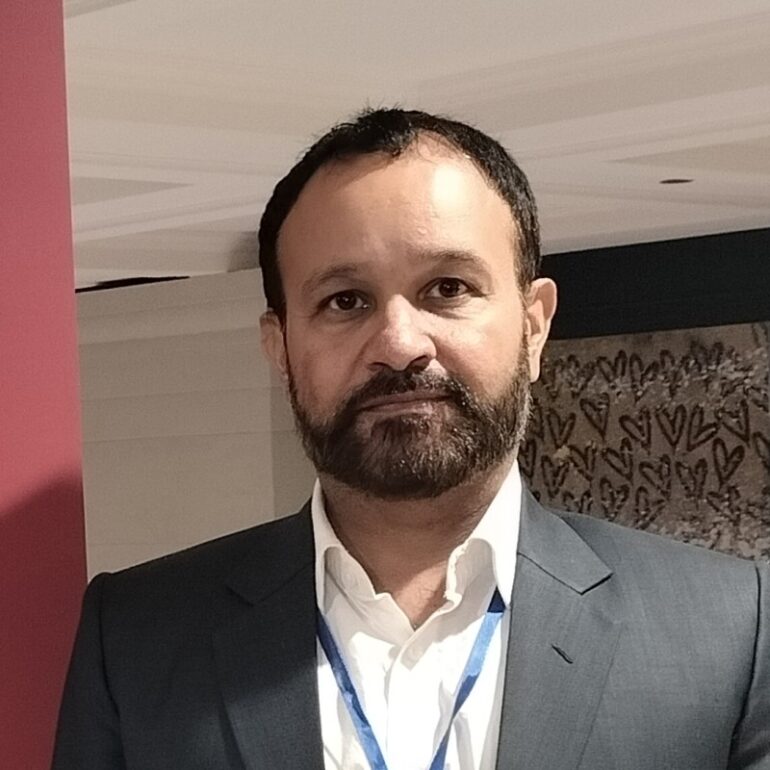
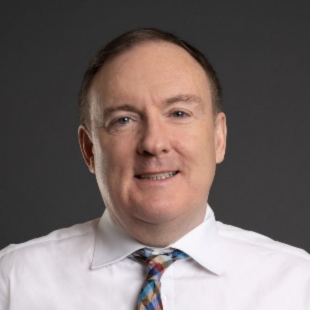
A team of transport sustainability experts
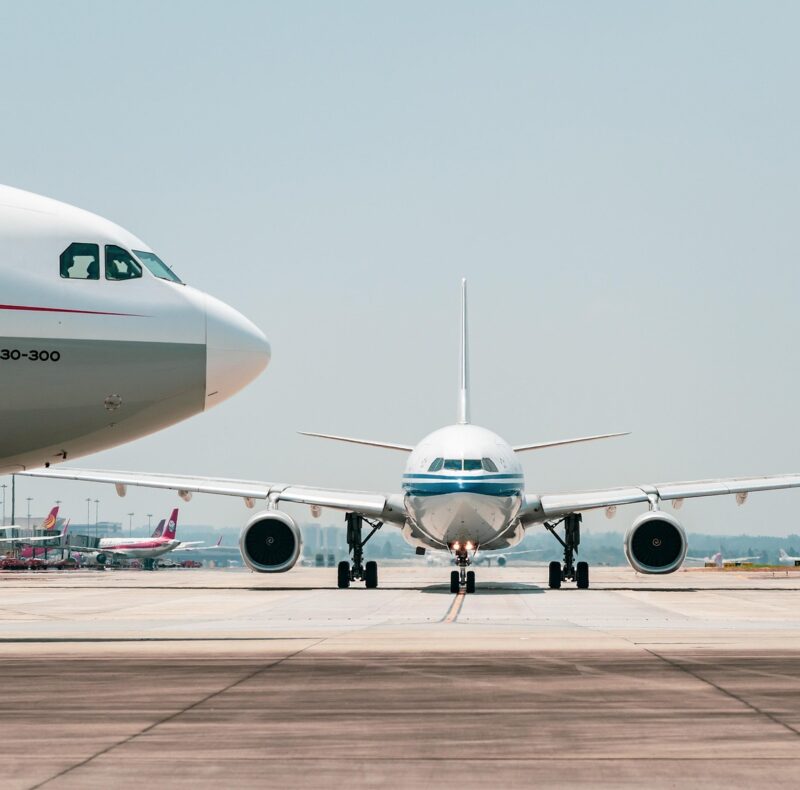
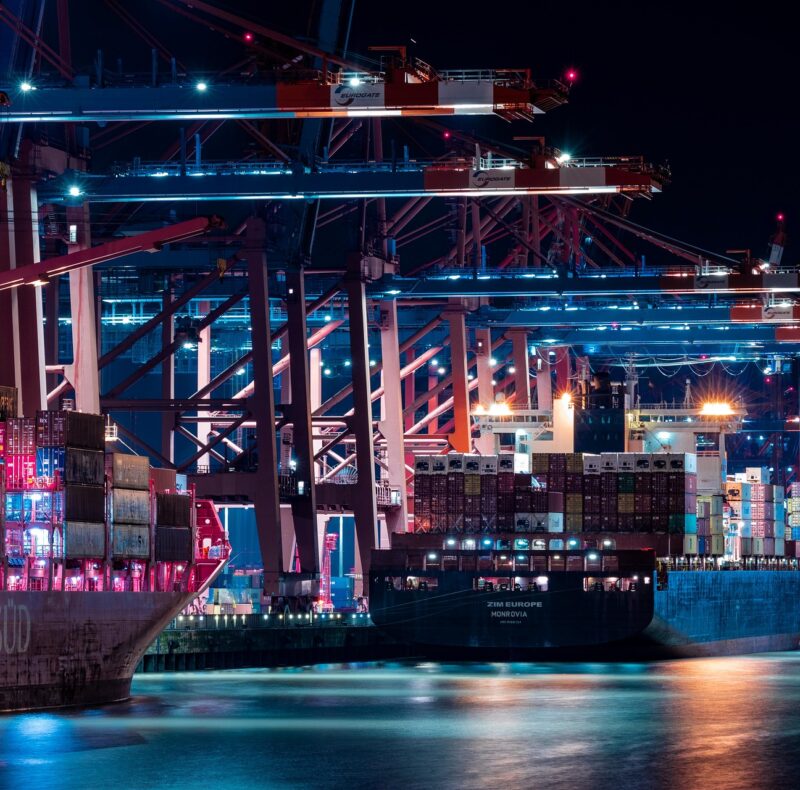
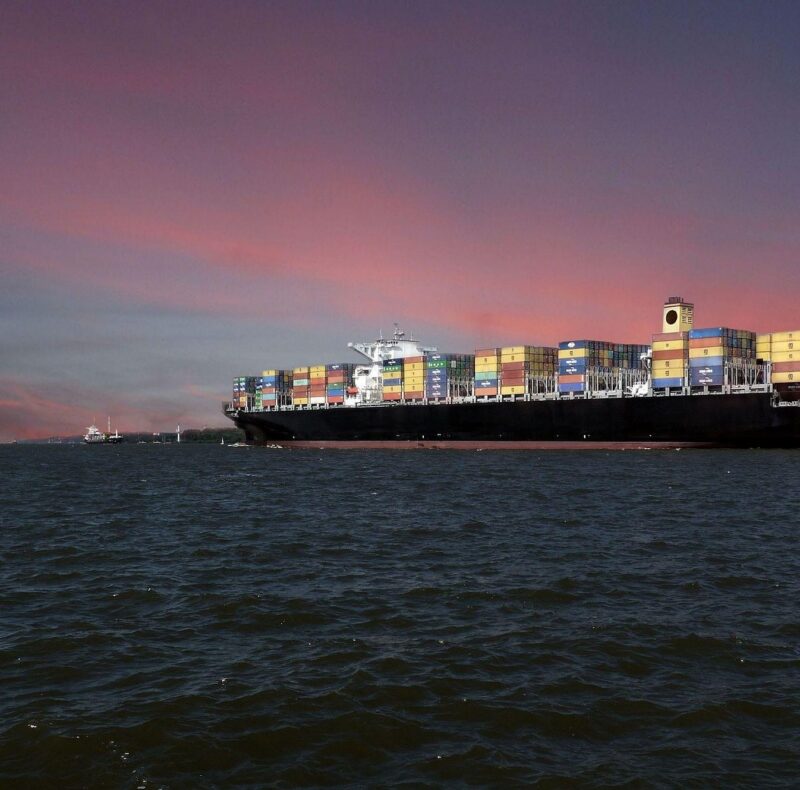
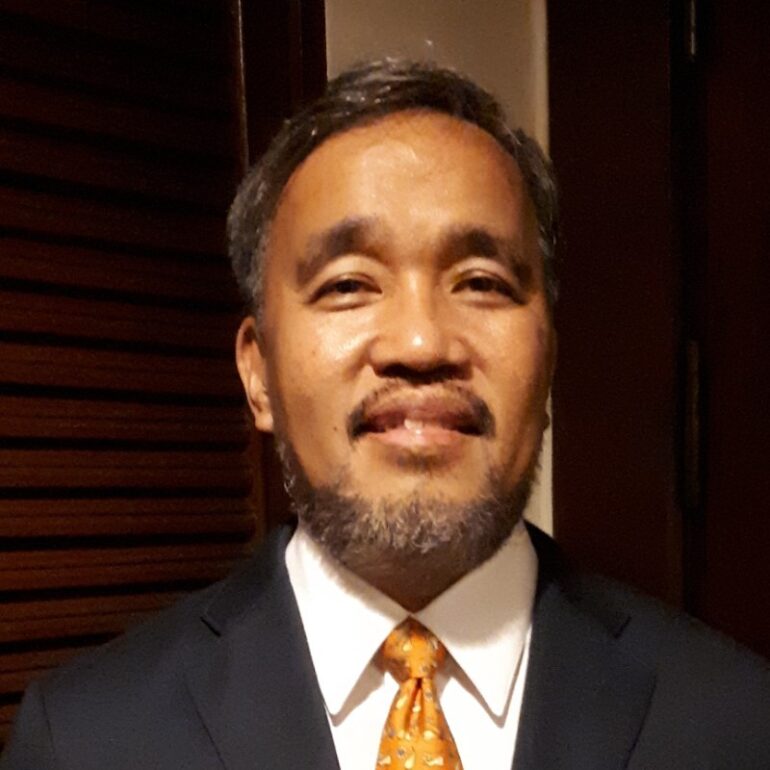
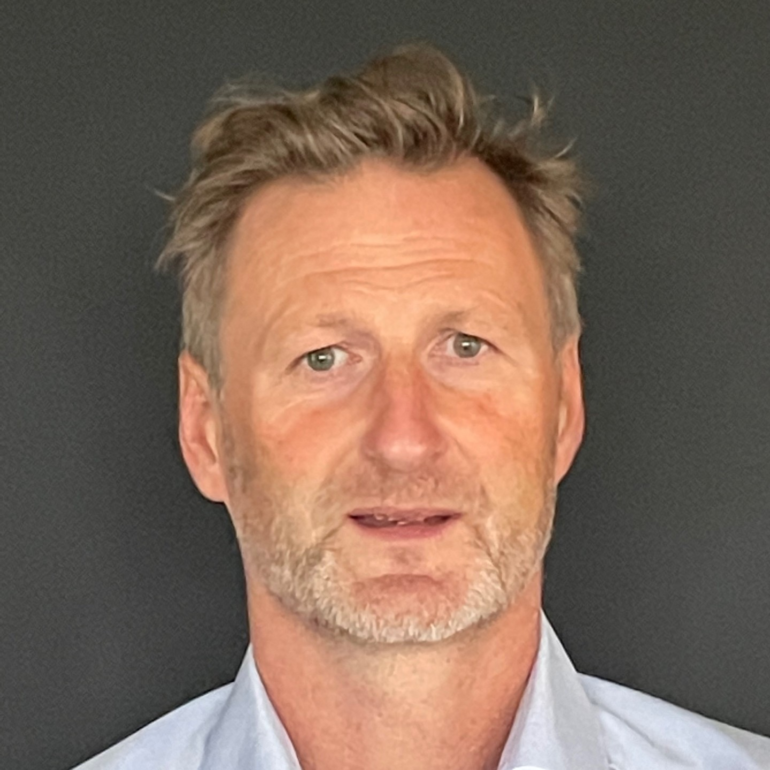
VURDHAAN, unlike a know-it-all consultancy, has a dedicated focus on transport sustainability which is empowered by our team of expert consultants who are industry veterans with solutions to support airlines, ship owners/managers, and road freight operators in their sustainability journey.
{"cpt":"team","style":"1","columns":"3","show":6,"from_category":["front-page"],"order":"ASC","orderby":"ID"}
Regulatory
Build the clarity and confidence to navigate evolving sustainability requirements. Complex rules become manageable, decisions feel certain, and compliance feels effortless. Focus on what matters most while staying ahead of change and strengthening long term resilience.
{"cpt":"service","style":"1","columns":"4","show":8,"order":"DESC","orderby":"DESC"}






{"cpt":"testimonial","style":"1","columns":"1","show":1,"order":"DESC","orderby":"DESC"}
VURDHAAN guided us through the book-and-claim process with clarity and efficiency. Their support enabled a small aviation operator like ours to engage in sustainability efforts with confidence.
Adrian Cole
Director of Operations
{"cpt":"blog","style":"3","columns":"1","show":9,"from_category":["aviation","aviation-sustainability-finance","aviation-marine","aviation-marine-rail-road","marine","rail","rail-road","road","space"],"order":"DESC","orderby":"DESC"}