

Biofuel collaborations accelerate decarbonisation momentum at the start of 2026

Cutting edge e SAF from Topsoe partnership

Topsoe has begun collaborating with Carbon Neutral Fuels to pilot the use of high efficiency solid oxide electrolysis cells for synthetic aviation fuel. Generating green hydrogen at high temperature allows energy savings that can reduce production cost by up to fifteen percent according to early lab data. The project will supply power from renewable offshore wind and aims to deliver fully drop in e SAF within three years, reinforcing investor belief that electricity based fuels can complement bio based pathways.

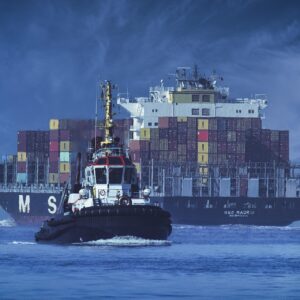
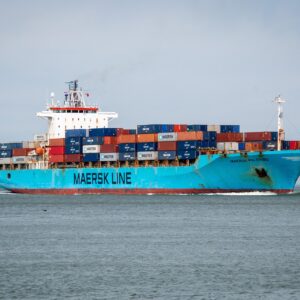
Marine shipping gains biofuel boost

Global forwarder DHL and carrier CMA CGM have committed to co using almost nine thousand metric tons of second generation Used Cooking Oil Methyl Ester across key ocean routes. The fuel cuts lifecycle emissions by roughly eighty percent versus conventional bunkers while keeping existing engines unchanged. Blending at scale provides a straightforward method for cargo owners to meet science based targets without heavy vessel modifications.

Corporate carbon removal agreements expand

Technology firm Microsoft has signed a twelve year offtake with C2X for three point six million tons of carbon removal through bio methanol production in Louisiana. The contract is one of the largest engineered removal deals to date and signals a maturing market where long term revenue certainty can unlock project finance for novel facilities.

Biochemistry and biogas milestones

UPM has produced its first commercial batch of industrial sugars from wood at its Leuna biorefinery, opening new sustainable feedstock streams for chemicals. Meanwhile EnviTec Biogas has secured three contracts in Germany for its EnviThan upgrading technology, demonstrating steady demand for renewable gas even in traditionally natural gas rich regions.

A non-obvious insight

Linking cross sector demand signals from aviation shipping and tech companies compresses the learning curve for suppliers. Shared offtake structures make it easier for financiers to assess risk, which accelerates capital deployment across seemingly separate commodity markets.

Conclusion

From synthetic jet fuel to marine biofuel and large scale carbon removal, early 2026 stories reveal a coordinated push toward practical low carbon solutions. The common thread is long term collaboration that converts climate ambition into bankable projects.

Source – BBI International

Singapore aligns aviation growth with green ambition through new SAF framework

Understanding the levy

The Civil Aviation Authority of Singapore Amendment Act 2025 introduces a transparent levy on every passenger ticket cargo consignment and charter flight departing from Changi Airport. The levy will be collected by airlines at point of sale then transferred to the authority. Because it is flat rather than percentage based it does not penalise premium travel more than economy seats, a subtle design choice that encourages airlines to keep upgrading cabin density without worrying about higher charges. That choice quietly aligns environmental goals with revenue management strategies.

Inside the SAF Fund

Collected sums flow into the new Sustainable Aviation Fuel Fund. Money can only be withdrawn for certified SAF purchases related environmental attributes and research supporting alternative propulsion. Ring fencing the cash in this manner builds clear demand signals for fuel producers and helps unlock scale production agreements in the region. A less discussed feature is that unused balances will generate interest credited back to the Fund, giving a compounding effect that could cover future price differentials once SAF prices converge with conventional jet fuel.

Strategic implications for finance and leasing

Airlines gain a new compliance cost yet also a clearer pathway toward meeting corporate emissions targets demanded by lenders. Banks can reference the levy schedule when structuring green linked loans, turning a statutory obligation into a measurable key performance indicator. Lessors with modern fuel efficient fleets become even more attractive, as lessee airlines can stack aircraft efficiency gains with guaranteed SAF allocations to improve reported carbon intensity.

Practical mitigation moves

  • Negotiate multi-year SAF offtake contracts early
  • Bundle levy payments into passenger surcharge disclosures for transparency
  • Use fund participation data when issuing sustainability reports

Conclusion

Singapore has moved swiftly from policy concept to enforceable mechanism, combining predictable funding with demand aggregation. The model provides investors with rare regulatory certainty and could become a blueprint for other hub airports seeking balanced aviation growth.

Source – AG Asia Law

Biocrude Breakthrough: Honeywell Unlocks Renewable Marine Fuel at Commercial Scale

From Residues to Ready Fuel

Shipping now consumes around three hundred million tonnes of bunker fuel each year. Honeywell is proposing a cleaner substitute produced from forestry trimmings, agricultural residues and other cellulosic feedstocks. Its Biocrude Upgrading process converts these materials into a stable oil that conventional refineries can transform into heavy marine fuel without changing existing equipment.

How the Technology Works

The system uses rapid thermochemical conversion followed by a catalytic polishing step that lowers oxygen content and raises energy density. This upgraded biocrude has similar viscosity and combustion characteristics to very low sulphur fuel oil, making it compatible with current engines and storage tanks. Because the technology can be integrated into existing refineries, capital requirements remain modest compared with building new standalone plants.

Practical Advantages for Shipowners

Over eighty percent lifecycle carbon reduction depending on feedstock selection

  • Higher volumetric energy than many first-generation biofuels, extending vessel range
  • Drop in compatibility removes the need for costly fuel system overhauls
  • Potential use of on-board scrubbers remains unchanged, simplifying regulatory compliance

Market Outlook

A recent study by the Energy Transitions Commission estimates that demand for sustainable marine fuels could exceed five million tonnes annually by 2030. If only ten medium size refineries adopted the Honeywell pathway, that target could already be met using regional biomass that currently lacks high value markets.

A Non-Obvious Insight

Unlike some alternative fuels that require complex new supply infrastructure, upgraded biocrude can move through the same pipelines, terminals and barges already serving ports today. This hidden logistical fit dramatically shortens deployment timelines because stakeholders can focus on fuel production rather than network construction.

Conclusion

Honeywell has demonstrated that renewable marine fuel is no longer a distant prospect. By unlocking the untapped value of abundant biomass and designing a process that slots into established refinery assets, the company creates a practical pathway to lower maritime emissions at scale. The approach complements parallel developments in methanol, LNG and ammonia, collectively guiding the industry toward its climate ambitions.

Source – The Maritime Executive

Sustainable Aviation Fuel Takes Off: New Markets Brighten Global Outlook

Why the mood has shifted

One year ago analysts worried about modest production levels for sustainable aviation fuel yet 2025 is closing with a wave of encouraging data. Annual output has doubled to roughly one million tonnes and orders for new capacity are accelerating. What changed is a trio of forces: firmer policy signals inventive project finance and unexpected leadership from emerging economies.

Emerging markets seize the initiative

India Argentina and Indonesia are demonstrating that a late start can be an advantage. Their refineries are being certified to run feedstocks such as used cooking oil and agricultural residue from day one avoiding costly retrofits common in older plants. A non obvious insight is that by designing facilities

around locally abundant waste developers lock in both supply security and lower feedstock volatility boosting project bankability.

Mandates create momentum

Europe and the United Kingdom now require two percent SAF blending rising steadily toward 2030. Although airlines voiced cost concerns the rule has already catalysed joint purchase agreements that aggregate demand and smooth price premiums. Similar mechanisms helped solar energy scale a decade ago and may repeat the pattern here.

Financing innovation

Private equity funds are exploring subscription style Energy as a Service contracts that pay producers per litre delivered rather than through traditional offtake guarantees. This approach shifts performance risk to financiers comfortable with infrastructure assets and gives airlines a predictable cost curve. Several pilot deals were quietly signed in 2025 signalling a maturing market.

Collaboration over competition

International organisations are arranging knowledge exchanges where established producers share certification data with newcomers. Early evidence suggests this cuts permitting timelines by up to thirty percent illustrating that transparent collaboration can accelerate global decarbonisation.

Conclusion

Sustainable aviation fuel is moving from promise to practice. With adaptive policy creative finance and south south cooperation the sector looks positioned to outpace earlier forecasts and help aviation chart a credible path to net zero flight.

Source – Oilprice.com

Pooling Bio LNG Compliance under FuelEU Maritime

Regulation at a Glance

The FuelEU Maritime framework began January 2025 and steadily raises greenhouse gas reduction requirements for vessels of at least 5000 gross tonnage calling at European ports. A two percent carbon intensity cut is required for 2025 and the mandate climbs to eighty percent by 2050. Early compliance is already achievable for gas powered vessels because liquefied natural gas delivers roughly twenty percent lower life cycle emissions than traditional marine fuels.

What Makes Pooling Powerful

Pooling allows several ships that share a verifier to combine their annual performance. Surplus compliance from one vessel can balance a shortfall on another as long as the combined outcome remains positive. This removes worry for owners operating mixed fleets and lets every participant optimise fuel choice and voyage planning rather than scrapping or converting assets prematurely. A neutral service provider can manage the accounting, distribute certificates and submit documentation, turning a complex administrative job into a simple subscription.

Bio LNG as the Secret Ingredient

By substituting a portion of conventional LNG with bio LNG produced from upgraded biogas, compliance generators push their calculated emission factor well below the regulatory line. Gasum has demonstrated that a single ferry burning pure bio LNG can create enough surplus to cover several conventionally fuelled sister vessels. One non obvious insight is that the pool manager can schedule bio LNG bunkering on only the most predictable routes, sharply reducing supply chain complexity while still sharing benefit fleet wide.

Looking Beyond 2030

Demand for sustainable drop in fuels will intensify across aviation road transport and shipping. Companies that secure long term bio LNG contracts today gain priority access when supply tightens, preserving their ability to operate legacy tonnage until new zero emission designs are commercially proven.

Conclusion

Pooling backed by bio LNG offers immediate compliance cost certainty and lays groundwork for deeper decarbonisation strategies over the coming decades.

Source – LNG Industry

Bunge advances certified soy for next generation aviation fuel

Certified supply in practice

Bunge has completed the certification of its Brazilian soybean supply chain under internationally recognised sustainability criteria, unlocking a dependable feedstock for forthcoming Sustainable Aviation Fuel production. The approval covers planting, storage and crushing activities, confirming that greenhouse gas emissions, land use and labour standards all meet strict thresholds required by fuel regulators.

Farmer and regional benefits

Certification yields immediate advantages for growers. Farmers who demonstrate traceable practices receive preferential contracts and pricing, turning environmental stewardship into tangible revenue rather than an extra cost. Higher income from certified beans can finance precision agriculture equipment that improves yields across multiple crops.

Enabling future compliance

Traceability technology assigns each consignment a digital identity that travels from farm to crushing plant and onward to refinery. The data interfaces with lifecycle analysis models used by aviation

authorities, minimising administrative friction for fuel producers seeking approval. A non obvious insight is interoperability: identical certificates can unlock exports to several regions, reducing dependence on any single policy environment.

Strategic market implications

The programme overlays a transparent sustainability layer onto an established commodity flow, meaning no new infrastructure is needed. It also positions Brazilian soy to navigate upcoming Carbon Border Adjustment mechanisms, preserving access to premium markets.

Conclusion

Certified soybeans widen the pool of reliable Sustainable Aviation Fuel feedstocks while rewarding Brazilian farmers for climate smart cultivation, demonstrating that agricultural value chains can align profitability with global decarbonisation goals.

Source – worldgrain.com

UK ETS 2025: key advancements powering a greener future

A clearer timeline

The UK Emissions Trading Scheme moved quickly during 2025 as policymakers sharpened the tool for reaching net zero targets. The most visible decision created a standalone scheme year in 2026, giving companies twelve extra months to prepare before the second allocation period begins in 2027. This breathing space reduces administrative stress and offers an ideal window for efficiency upgrades.

Transparency gains

Publication of transaction data in the Registry is another positive shift. Greater transparency strengthens market confidence and provides analysts with richer information that can spark new financial services dedicated to carbon efficiency.

Maritime decarbonisation momentum

Maritime transport took centre stage. From mid 2026 domestic voyages above five thousand gross tonnage will enter the scheme, with thoughtful exemptions for lifeline ferry routes. Linking deadlines and thresholds to those of the European Union reduces complexity for operators that move between jurisdictions daily. A surprising opportunity is the fifty percent deduction for voyages between Great Britain and Northern Ireland. Forward looking ship owners can design routing strategies that maximise low emission journeys and reduce compliance costs at the same time.

Safeguarding competitiveness

Free allocation reforms were calibrated to guard against carbon leakage while still nudging investment toward cleaner production. Retaining existing benchmarks for 2027 then shifting to European values from 2028 quietly aligns the two markets ahead of the planned linkage. Savvy manufacturers can therefore benchmark themselves against continental peers now and secure an early advantage.

Forward looking market design

Finally, confirmation that the auction reserve price will rise each year with inflation locks in price stability. This subtle choice sends a confident signal to investors planning renewable energy or efficiency projects that revenue streams from allowance sales will retain real value over time.

Conclusion

Twenty twenty five positioned the UK ETS as a transparent, predictable and internationally aligned market, giving businesses fresh certainty to accelerate low carbon strategies.

Source – gov.uk

Germany Ramps Up Rail Modernisation for Reliable, Sustainable Mobility

Investment Drives Visible Improvements

Investment exceeding nineteen billion euro in 2025 allowed DB InfraGO to renew more than two thousand switches, replace over two thousand kilometres of track and refresh almost three hundred kilometres of overhead line equipment. Passengers already notice smoother rides and quieter curves while freight operators benefit from higher axle load capacity and improved punctuality.

Spotlight on National Corridor Works

Significant progress occurred on three emblematic projects:

  • Hamburg to Berlin corridor, where 165 kilometres of track and 249 switches received new foundations
  • Dresden line reopening, trimming travel times to both Dresden and Prague
  • Ahr Valley route restoration, bringing electric service back to communities still recovering from flooding

Non-Obvious Insight: Construction Windows as Innovation Labs

Coordinating thousands of sites demands precise timing. InfraGO now uses predictive traffic models to plan rolling closures that also serve as trial zones for novel materials such as high durability sleepers. Lessons learned in these concentrated windows accelerate approval for future upgrades across the network.

Workforce Growth and Knowledge Transfer

More than eight thousand new employees joined the organisation, including three thousand six hundred specialists in project management and maintenance. Expanded training programmes, featuring virtual reality track simulations, equip recruits with critical skills before they step onto live lines. This proactive approach keeps staffing coverage in signal boxes above ninety nine percent, sustaining safe operations during heavy works.

Digital Signalling Sets Stage for Smarter Operations

With sixty new electronic interlocking systems and an additional one hundred fifty seven kilometres of European Train Control System coverage, Germany is preparing for seamless cross border travel.

Digital control also enables denser traffic patterns, allowing capacity growth without building entirely new lines.

Conclusion

Germany shows that decisive investment coupled with innovative planning can modernise rail infrastructure while trains keep running. The 2025 achievements lay firm foundations for even more efficient, climate friendly mobility across Europe.

Source – Deutsche Bahn

Galp Biofuel Project Turns Waste into Low-Carbon Travel Solutions

Turning Waste Streams into Valuable Fuel

Used cooking oil animal fats and other organic residues at Sines are converted into renewable diesel and sustainable aviation fuel that cut greenhouse gas emissions by up to 88 percent. Valorising waste that once required disposal, Galp blends waste management and energy production in a single facility.

Synergy With Green Hydrogen

The facility will be supplied with green hydrogen from the nearby H two Park. Combining renewable hydrogen with biogenic feedstocks enables deeper carbon reductions because no fossil derived hydrogen is required in the refining process. This integration also serves as a steady demand anchor for the hydrogen park, improving its economics and accelerating broader hydrogen uptake in the region.

Non-Obvious Insight: Boost for Local Waste Collection Quality

Municipalities often struggle to keep used cooking oil streams uncontaminated. The plant creates a stable buyer for clean feedstock, encouraging better separation practices in households and restaurants. Over time this simple market signal can raise overall recycling rates beyond oils as citizens become accustomed to dedicated collection points.

Economic and Social Impact

The project represents an investment of 400 million euro and is expected to create more than one thousand construction roles along with hundreds of permanent positions. Skills developed during construction, such as advanced welding and process automation, position local workers for future green industry opportunities. Suppliers ranging from trucking firms to laboratory services will also benefit.

Compatibility Equals Immediate Emissions Savings

Because HVO and SAF meet existing fuel standards, airlines and hauliers can adopt them without changing engines, pumps or storage equipment. This drop in solution means climate benefits arrive as soon as the first litre leaves the refinery.

Conclusion

Galp is transforming regional waste, renewable hydrogen and engineering expertise into cleaner mobility options available today. The initiative offers a replicable blueprint for circular energy projects that deliver environmental progress alongside economic renewal.

Source – Galp

Wingsails Are Turning Maritime Wind into Tangible Carbon Savings

Why wind power returns

Modern shipping once again looks to the breeze but this time with sensors and composite materials. Wind Assisted Propulsion Systems led by rigid wingsails are providing immediate efficiency gains as fuel prices and carbon charges climb. Real world trials on the Canopée vessel show daily savings of more than two tonnes of fuel per sail translating to approximately thirty five percent lower greenhouse output.

Quantifying the value

A non obvious insight is that wingsails improve economics disproportionately when vessels switch to alternative fuels such as methanol or ammonia. Because these fuels can cost double traditional bunkers every kilowatt hour captured from wind effectively compounds the return on investment shortening payback periods to as little as three years on certain routes.

Overcoming adoption barriers

Change management not physics is now the crucial hurdle. Mariners need refreshed training on manoeuvring under varying wind conditions and shore teams must integrate meteorological data into voyage planning software. Ports and insurers are watching demonstrations closely. Structured technology showcase programs run by governments or port authorities give early movers the assurance of regulatory support and shared learning.

Certification unlocks scale

Recent Type Approval Design Certificates from DNV confirm that leading wingsail designs meet rigorous safety and reliability standards. This recognition streamlines class approval reducing engineering ambiguity and allowing shipyards to include sail foundations during newbuild design. Financial institutions increasingly view certified wind technologies as low risk retrofits that enhance asset value in a tightening regulatory landscape.

Collaborative momentum

OceanWings and other manufacturers are partnering with digital platform providers to automate sail trim in real time ensuring optimal performance without additional crew workload. These alliances illustrate how complementary innovations can multiply benefits.

Conclusion

With proven data growing financial incentives and clear regulatory pathways wind assisted propulsion has moved from curiosity to cornerstone of maritime decarbonisation. Early adopters stand to capture both environmental leadership and lasting operational savings.

Source – Maritime Activity Reports