
Western Port Terminal Champions Multimodal Low Carbon Logistics

Design Features Driving Sustainability

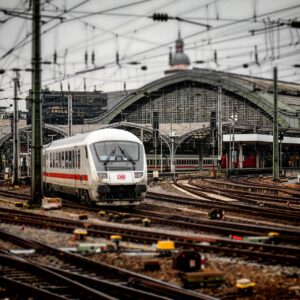
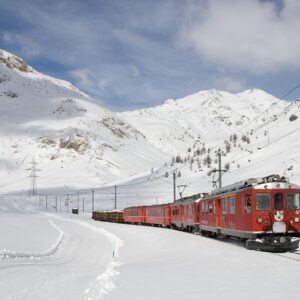
The new nine point six hectare Western Port transhipment terminal in Dunkerque is purpose built to transfer freight from highways onto rail lines. Up to four seven hundred fifty metre trains will each carry one hundred forty trailers, diverting fifty thousand intermodal units from roads every year. Vehicles operating inside the yard run on hydrotreated vegetable oil, reducing tank to wheel emissions by eighty five percent, while an electric locomotive manages yard shunting with zero tailpipe output.

A shared service zone will maintain wagons, swap bodies, and trailers for any operator. This open access arrangement minimises repositioning trips and keeps assets rolling longer, lowering ownership cost and resource consumption.

Insight: Maintenance as a Carbon Strategy

Many terminals focus sustainability efforts on propulsion, yet idle or empty assets also generate hidden emissions through replacement manufacturing. By centralising inspection and light repair, Western Port expects to shrink equipment downtime and avoid thousands of redundant kilometres per year. Preventing just one full replacement trailer saves roughly six tonnes of embedded CO2, a figure often overlooked in carbon accounting.

Regional and European Impact

France aims to double rail freight by 2050 under the European Green Deal. Situated beside Ro Ro connections to Great Britain and Ireland, the terminal unlocks seamless corridor planning for shippers who need reliable links across the Channel. The twenty five million euro investment by MODALIS Group and Dunkerque Port further demonstrates how public private partnerships can accelerate modal shift while easing road congestion in the Hauts de France industrial belt.

Conclusion

With renewable fuel vehicles, electric rail operations, and a forward looking maintenance hub, Western Port Terminal offers a practical roadmap for ports seeking rapid decarbonisation. Its scalable model blends immediate emission cuts with long term infrastructure that supports the continent wide transition toward cleaner freight corridors.

Source – Port Technology