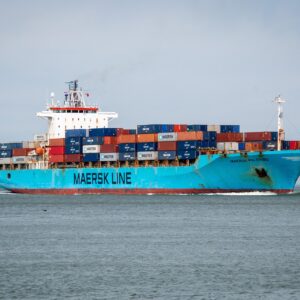

Bio LNG Pooling Strengthens Maritime Compliance as Tallink MyStar Joins Gasum

Nordic energy company Gasum has welcomed the Tallink shuttle vessel MyStar into its FuelEU Maritime pooling scheme. Under the agreement MyStar will operate on liquefied biomethane bio LNG supplied from the Pori terminal in Finland, generating compliance units that can be shared with other ships in the pool.

How the Pool Works

FuelEU Maritime allows groups of vessels to aggregate their fuel profiles. A ship burning cleaner fuel can compensate for another still transitioning, as long as the combined carbon intensity meets the regulation. Gasum manages accounting, provides the fuel, and now publishes a daily price for compliance units, adding welcome transparency.

Benefits for Tallink and Partners

Running on bio LNG immediately cuts greenhouse emissions by up to eighty percent relative to marine diesel. The credits created exceed MyStar own needs, allowing Gasum to sell compliance to owners of conventionally fired ships. This revenue stream helps offset the still higher cost of renewable gas.

Financial and Environmental Upside

Tallink passengers and freight clients gain a quantifiable reduction in travel footprint without changing routines. Meanwhile Gasum secures guaranteed offtake for its expanding bio LNG portfolio, a critical factor for bankers evaluating new production capacity. Stable demand signals support further investment in northern European anaerobic digestion plants.

A Less Obvious Market Signal

The publication of a daily compliance unit price effectively creates a spot market for maritime decarbonisation. Traders can now build hedging instruments, smoothing cost volatility for ship operators. In time the mechanism could resemble renewable electricity certificates, opening new finance channels for low emission shipping technologies.

Conclusion

By pairing renewable gas with an innovative pooling structure Gasum and Tallink prove that compliance can be collaborative. The model lowers barriers for smaller owners, stimulates biomethane production, and edges the maritime sector closer to the climate goals set by FuelEU.

Source – ship.energy