
Yang Ming Expands Future Ready Fleet with Methanol Capable Containerships

Strategic Renewal

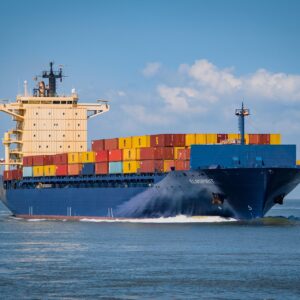
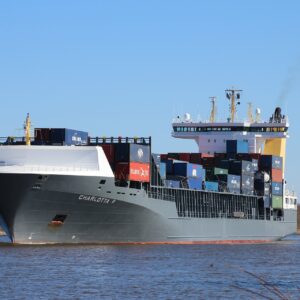
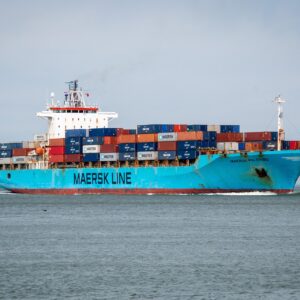
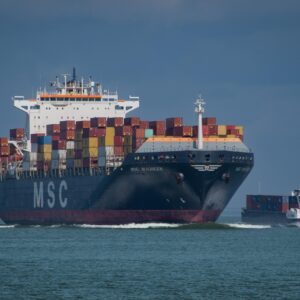
Yang Ming Marine Transport Corporation has signed contracts for six eight thousand TEU containerships that will be delivered beginning in 2028. Built by Nihon Shipyard, Imabari Shipbuilding and Shoei Kisen, the vessels are designed for immediate efficiency and future conversion to green methanol. The order replaces older five thousand five hundred TEU ships, ensuring the company maintains reliable capacity while lowering fleet carbon intensity.

Design Highlights

The new hulls incorporate high efficiency propellers, energy saving rudders and a rudder fin that reduces swirl. Main engines arrive methanol ready, requiring only modest adjustments when green methanol becomes widely available. This foresight avoids stranded assets and allows Yang Ming to match fuel strategy with market evolution. Computational fluid dynamics studies suggest the ships will consume at least ten percent less energy than the vessels they retire.

Service Network Benefits

With eight thousand TEU capacity, the ships sit in a versatile space between Panamax and mega carriers. That flexibility enables Yang Ming to redeploy tonnage quickly in response to shifting trade lanes without deep water constraints. The midsize format also eases terminal crane requirements

across developing regions. Customers gain schedule resilience and expanded options for sustainable transport as more routes can host methanol capable vessels.

Non-Obvious Insight

By ordering both purchased and chartered units under one program, Yang Ming leverages pooled learning for crew training, spare parts and digital performance monitoring. The shared platform reduces operational expenditure even before fuel savings are realised, demonstrating that standardisation itself is a decarbonisation enabler.

Conclusion

The contract signals growing confidence in methanol as a practical pathway toward cleaner shipping. Combining smart design, flexible capacity and coordinated partnerships, Yang Ming positions itself and its clients for smooth transition once green methanol supply reaches scale.

Source – Yang Ming Marine Transport Corporation

Lithuania Unveils First Stadler FLIRT Electric Train for Modern Network

Arrival Signals Fleet Renewal

The first Stadler FLIRT electric multiple unit has rolled into Vilnius, launching a program that will deliver fifteen new trains to LTG Link. Nine sets are fully electric, while six include batteries enabling operation beyond current catenary. The newcomer will gradually replace the companys oldest diesel coaches, reducing fuel consumption and noise along the Vilnius to Turmantas corridor.

Testing and Certification

Following arrival at the Vilnius Intermodal Terminal, technicians installed bogies and assembled a complete train. Static examinations begin this month, with passenger test runs planned early next year across the national network. Certification on Lithuanian tracks ensures systems such as signalling, automatic doors, and accessibility features align with domestic standards, positioning the train for regular service in twenty twenty six.

Design for Comfort and Accessibility

Each FLIRT provides roughly two hundred seats, low floor entry, and wide aisles without interior steps. Passengers using wheelchairs or needing transfer seats can board independently and sit adjacent to companions. Notably, up to thirty bicycles fit on board, supporting Lithuanias fast growing cycle tourism sector. During colder months, unused cycle space converts into additional seating, an adaptive idea that maximizes utilisation throughout the year.

Sustainability and Network Strategy

Lithuania aims to electrify seven hundred thirty one kilometres of track by twenty twenty six. Deploying trains that already meet the planned power system means rolling stock will not constrain electrification timelines, a non obvious benefit often overlooked in infrastructure programs. Battery equipped units will cover routes with partial wiring, allowing continuous electric operation from city to countryside without local diesel refuelling facilities.

Conclusion

Modern rolling stock, combined with an expanding electric network, will offer faster journeys, quieter stations, and lower emissions for Lithuanian communities. The new Stadler fleet places LTG Link firmly on track toward a more inclusive and sustainable future.

Source – Railway Technology

Asia Steps Up Sustainable Aviation Fuel Efforts with Innovative Support Frameworks

International Momentum

Worldwide expansion of sustainable aviation fuel SAF is accelerating. The European Union and United Kingdom have started mandatory blending, while Japan targets ten percent by 2030. Clear targets unlock investment by giving producers predictable offtake. Korea is preparing to join this leadership circle with a draft road map released in September.

Korea Road Map

Korea plans a one percent SAF blend from 2027, rising to as much as ten percent by 2035. The staged approach gives refiners and technology firms time to scale capacity and build certified feedstock supply. A little discussed feature is potential credit trading among airlines, a flexibility that can lower early compliance costs while ensuring aggregate climate progress.

Beyond Used Cooking Oil

Most commercial SAF today relies on hydroprocessed esters and fatty acids from used cooking oil. Analysts at Argus expect this pathway to dominate until 2030, yet waste oil volume is finite. Korea is therefore evaluating additional routes:

· Fischer Tropsch conversion of agricultural residues

· Alcohol to jet upgrading of domestic bioethanol

· Power to liquids synthesis using captured carbon and renewable hydrogen

Diversifying pathways can insulate supply and create opportunities for the nations advanced chemical sector.

Revenue Guarantees Encourage Innovation

The United Kingdom introduced a revenue guarantee that cushions producers if market prices fall and recovers funds when they rise. Economists note that such symmetrical guarantees mimic a public private hedge, delivering stability without open ended subsidies. A similar mechanism could accelerate Korean deployment by easing project financing.

Conclusion

With clear targets, flexible compliance tools, diversified technologies, and creative price guarantees, Asia can foster a vibrant SAF ecosystem that supports aviation growth and advances global climate goals.

Source – ChosunBiz

CORSIA REGULATORY DOCUMENT UPDATE: CORSIA Annual Sector’s Growth Factor (SGF) for 2024 Fourth edition (October 2025)

Understanding the Latest CORSIA Update

The International Civil Aviation Organization has released the CORSIA Annual Sector’s Growth Factor (SGF) for 2024, Fourth edition (October 2025), setting the foundation for how nations and operators will calculate carbon offset obligations. The SGF for 2024 stands at 0.15948315, reflecting the difference between 2024’s total aviation emissions and 85 percent of 2019’s baseline CORSIA-Annual-SGF-4ed-2025-web.

This value may seem purely technical, but it represents a global step in aligning post-pandemic aviation recovery with climate responsibility. Each participating State will use this factor to determine how much of its operators’ emissions need to be offset through sustainable measures.

Why This Matters

The new SGF number shows that international aviation has resumed growth, but also that regulatory oversight is keeping pace. The use of 2019 as the reference year continues to anchor progress in pre-pandemic conditions, providing a realistic benchmark for the sector’s carbon evolution.

This year’s calculation, based on data from 126 participating States, captures both the recovery momentum and the shared intent to manage it responsibly. CORSIA-Annual-SGF-4ed-2025-web. It’s a reminder that the pathway to sustainable aviation is not about sudden transformation but about consistent, transparent accountability.

Looking Ahead

As aviation moves through its next growth phase, the SGF serves as a critical feedback signal. It encourages balance, growth with responsibility, expansion with offsetting.

The sector’s journey toward net-zero continues to rely on collaboration, innovation, and reliable data. This update underscores that progress in sustainability is not measured only in numbers, but in the shared commitment to improve them every year.

Download Document File Here: CORSIA-Annual-SGF-4ed-2025-web.pdf Fourth edition (October 2025)

Historic Methanol Retrofit Sets New Course for Mega Boxships

Why This Matters

COSCO Shipping Libra, a seven year old twenty thousand TEU giant, has returned to service with an upgraded Everllence S90 engine now able to burn both conventional fuel and green methanol. The retrofit allows immediate greenhouse gas savings without waiting for a newbuild program. Because Libra is one of more than three hundred ships using this engine platform, the demonstration opens a realistic short term pathway toward a cleaner container fleet.

Methanol is liquid at ambient temperature, so it slots neatly into existing bunkering practice while cutting sulfur to zero and slashing carbon intensity. The recent ship to ship bunkering of two thousand one hundred tons in Shanghai confirms that supply chains can scale quickly when demand appears.

Engineering Highlights

PrimeServ engineers replaced the original fuel injection module with the LGIM package, upgraded control software, and installed additional tanks plus piping for methanol. Crucially, the crankshaft and cylinder block were retained, keeping steel already embedded in the vessel productive. That reuse is often overlooked yet it delivers an invisible climate benefit by avoiding the emissions that would accompany manufacturing new heavy castings.

A dedicated S90 test engine in Japan gave Everllence real world validation before yard work began, dramatically shrinking commissioning risk. According to yard reports, total off hire time was comparable with a routine dry dock despite the significant scope, proving that large scale conversions can be scheduled without disrupting trade lanes.

A Non-Obvious Insight

Because methanol burns at lower temperatures, engine wear patterns change. Early data suggest that longer periods between cylinder liner inspections may be possible, offering owners an operational saving that sits outside the traditional fuel cost equation.

Conclusion

With a proven blueprint, established bunkering practice, and measurable operational bonuses, methanol retrofits now present an attractive fast track for nations and carriers seeking immediate progress toward climate targets.

Source – Offshore Energy

ClassNK Issues Groundbreaking Guidance for Membrane Based Onboard CO2 Capture

Expanding the Toolkit

Classification society ClassNK has released Edition 2 of its Guidelines for Onboard CO2 Capture and Storage Systems, the first global rulebook to include membrane separation technology. The update builds on the 2023 edition, which covered amine absorption, and reflects growing industry interest in turning ships into mobile carbon capture units that complement fuel transitions such as methanol or ammonia.

Why Membranes Matter

Membrane systems filter exhaust gases through specialised polymer sheets that allow carbon dioxide to pass while blocking most other molecules. Compared with amine based scrubbers, membranes require less energy, occupy a smaller footprint, and do not rely on a steady supply of chemical solvent. These characteristics make them suitable for container feeders, bulk carriers, and even offshore support vessels where space and power are at a premium.

Unified Structure

The new edition reorganises requirements into generic foundations common to every capture method and specific chapters for each technology. Designers now have a single reference for safety, control logic, storage tank integrity, and crew training regardless of the chosen approach. This structure should accelerate approval timelines because naval architects can reuse compliance work from one project on another.

Non-Obvious Insight

A subtle benefit is that membrane systems can operate flexibly alongside variable engine loads typical in real world sailing. Their capture rate adjusts almost linearly with exhaust volume, avoiding the part load performance dips that challenge chemical absorbers. This dynamic responsiveness can improve overall voyage efficiency when weather or routing changes force throttle adjustments.

Path Forward

ClassNK offers free access to the guidelines, encouraging manufacturers and owners to experiment confidently. Early adopters may find value in retrofitting pilot scale units during routine dry docking to collect performance data before committing fleetwide.

Conclusion

By codifying membrane-based capture standards, ClassNK is lowering entry barriers for innovative solutions that keep maritime trade moving while steadily shrinking its emissions footprint.

Source – Marine Insight

United Airlines Extends Neste SAF Supply to Three Major Hubs

Milestone Expansion

United Airlines has strengthened its collaboration with renewable fuel producer Neste, enabling delivery of sustainable aviation fuel to George Bush Intercontinental, Newark Liberty, and Washington Dulles airports. With these additions, United now receives SAF at five strategic US gateways, underscoring its plan to reach net zero greenhouse gas emissions by 2050.

Operational Advantages

Receiving SAF at the point of uplift eliminates the need for costly truck transfers from distant blending terminals. It also allows United to integrate sustainable fuel into everyday schedules rather than reserving it for special demonstration flights. By the final quarter of 2025, the airline expects thousands of departures from the three airports to carry blended renewable fuel.

Environmental Impact

Neste SAF is produced from waste oils and agricultural residues, achieving up to eighty percent lower life cycle emissions than conventional jet fuel. The new supply contracts represent a meaningful incremental cut in Uniteds annual carbon inventory, especially given the heavy long haul traffic from the added hubs.

Non-Obvious Insight

Because United operates extensive connecting banks at Houston and Newark, a single gallon of SAF consumed there often substitutes for several potential gallons elsewhere in the network. Aircraft that depart these hubs frequently continue on multi leg rotations without refuelling immediately, meaning the emissions benefit propagates across multiple city pairs before the next refuel. Strategic hub placement can therefore amplify the environmental return on each gallon of renewable fuel.

Policy and Partnerships

United credits recent federal tax incentives for helping close the price gap between renewable and fossil derived fuel. The airline continues to lobby for broader government support and welcomes additional producers to diversify supply.

Conclusion

By extending onsite SAF availability to key coastal and central hubs, United is embedding sustainability into routine operations and demonstrating how targeted logistics decisions can magnify climate gains across an entire airline network.

Source – Travel and Tour World

Singapore SAFCo Blends Collective Power with Cost Certainty

Levy Funded Marketplace

The Civil Aviation Authority of Singapore has officially incorporated the Sustainable Aviation Fuel Company SAFCo, a fully owned non profit that will act as a clearing house for every litre of sustainable fuel used by departures from Changi and Seletar. Beginning in 2026, a distance based levy on tickets and cargo consignments will flow into a dedicated fund, giving SAFCo a steady cash stream to purchase fuel through competitive tenders that meet Corsia sustainability criteria.

Dual Demand Engine

Beyond the mandatory pool, SAFCo plans to assemble a voluntary book of business from airlines, freight forwarders, and corporate travel departments eager to claim additional carbon savings. Aggregating the two flows multiplies purchasing muscle and reduces administrative duplication. For producers, the combined demand represents a single transparent request for proposals rather than dozens of small contracts.

Fresh Perspective

A seldom mentioned advantage is that the system turns Singapore into a live market signal for Asia Pacific. Because the levy amount is fixed regardless of raw fuel price, the volume of SAF purchased will float naturally with market conditions. Suppliers therefore gain a real time demand indicator that directly reflects price movements, similar to how spot electricity markets guide power plant output. This feedback loop could accelerate regional refinery investment more effectively than blunt mandates.

Implementation Timeline

Initial procurement is targeted for 2026, aligned with the one percent SAF usage goal. The ambition rises to as much as five percent by 2030, contingent on global supply. With only ten staff planned in the first year, SAFCo will lean heavily on digital systems to manage bids, traceability certificates, and levy reconciliation.

Conclusion

By fusing stable funding, aggregated demand, and open tendering, SAFCo offers a pragmatic template for other hubs seeking lower carbon aviation without sacrificing competitiveness.

Source – AVweb

FLEXI GREEN FUELS Project Advances Renewable Marine Energy Solutions

Integrated pathway for cleaner bunkers

The European Union continues to accelerate maritime decarbonisation through the FLEXI GREEN FUELS initiative. Coordinated by Hochschule Bremerhaven and supported by Horizon funding, the project brings together universities scale up firms refineries and shipowners to create a single processing platform capable of turning low value residues into high value liquid fuel. Recent milestones confirm that the integrated pilot line has reached continuous operation, converting mixed waste streams into drop in hydrocarbons suitable for bunker tanks.

Multistream conversion technology

Engineers begin by applying organosolv pretreatment that separates cellulose hemicellulose and lignin. The sugar rich fractions move into three parallel biological routes: fungal fermentation, dark algae fermentation and insect larvae conversion. Each route produces lipids that are then hydro treated and isomerised into diesel range molecules. Meanwhile fast pyrolysis transforms lignin into aromatic components perfect for heavier marine blends. The modular design lets operators dial the product slate toward shipping or aviation simply by adjusting hydrotreatment severity.

Economic and environmental promise

Initial techno economic models show production costs could fall below current fossil marine gas oil prices once commercial scale is reached, while life cycle analysis projects emission savings of up to eighty percent. Because the process can accept municipal waste alongside agricultural residues it offers coastal cities a double benefit of reduced landfill volumes and cleaner waterfront air.

Insight into year-round resilience

A compelling yet less discussed advantage lies in process flexibility. Algae dark fermentation performs consistently even when cold winters reduce agricultural residue availability, providing a year round lipid stream that keeps refinery utilisation high. This resilience helps ports secure steady green fuel supply contracts, a key requirement for global carriers planning carbon neutral routes.

Conclusion

By merging waste management with advanced biochemistry, FLEXI GREEN FUELS demonstrates how Europe can deliver reliable renewable fuel for the maritime sector. The project progress highlights a practical pathway toward cleaner oceans, stronger circular economies, and energy independence for coastal communities.

Source – Quantum Commodity Intelligence

Collaborative Bio LNG Pooling Simplifies FuelEU Compliance with Gasum

FuelEU Drivers Encourage Collective Sourcing

European FuelEU Maritime regulation rewards real well to wake greenhouse gas reductions rather than particular fuel choices. Many operators lack enough scale to source advanced bio LNG alone. Gasum has introduced a pooling service that combines orders from several owners, securing consistent volumes at predictable pricing. Pooled purchasing also lets smaller fleets access the same discounts and logistics efficiency normally enjoyed by very large liner companies.

How the Model Works

Certified Production

Gasum blends biogenic methane produced from agricultural residue and biodegradable waste with conventional LNG along a mass balance system. Every gram of bio origin methane is tracked with

internationally recognised Guarantees of Origin. Those certificates are then digitally allocated to participating vessels according to their booked volume, providing the paperwork needed for regulators and charterers.

Flexible Allocation

Instead of tying the molecule to a single voyage, Gasum allows customers to draw from a common environmental wallet. Operators simply decide when to assign certificates, enabling intelligent matching of green fuel credits with the most demanding trade lanes. This flexibility can reduce compliance cost because not every voyage needs premium fuel.

A Non-Obvious Insight

By combining feedstock demand across many buyers, Gasum can contract farmers and waste processors for multi year residue offtake. That long range visibility encourages investment in new biogas plants near ports, shortening truck journeys for substrate and digestate. Shorter overland legs quietly reduce scope three emissions and operating cost, an efficiency gain often missed when evaluating marine fuel options in isolation.

Conclusion

Gasum shows that collaboration can unlock advanced fuels for every fleet size while quietly stimulating regional circular economy hubs. Pooling turns regulation from burden into catalyst, letting owners concentrate on reliable service while environmental math is handled transparently in the background. Bio LNG momentum looks set to accelerate.

Source – The Motorship