
Aviation at COP30 and the Quiet Shift Toward Implementation

Aviation climate action moving from intent to delivery

The UN climate conference is often seen as a space for long term ambition. At COP30 in Belém, international aviation demonstrated something more practical. It showed how global coordination can translate climate goals into measurable sector level action.

Why COP30 mattered for aviation

COP30 focused strongly on sectors that are traditionally difficult to decarbonise. Aviation featured prominently under energy industry and transport discussions, where solutions must balance growth connectivity and climate responsibility. The presence of aviation in these conversations signals that it is no longer on the margins of climate action but firmly within implementation pathways.

Cleaner energy as a system wide shift

A key insight from COP30 was that cleaner aviation energy is not only a fuel question. It is a system question. Policy clarity regulatory alignment financing access and capacity building all move together. Discussions around sustainable aviation fuels lower carbon fuels and clean energy standards showed that progress accelerates when governments industry and institutions work from a shared framework.

This approach also reduces fragmentation. Harmonised sustainability criteria and consistent carbon accounting help investors and operators make long term decisions with confidence.

Implementation is becoming the priority

A recurring theme across events was implementation. Monitoring reporting and verification under global mechanisms is maturing. Airports supplying cleaner fuels are increasing. Capacity building programmes are expanding to include states at different stages of readiness. These signals matter because they indicate that aviation climate action is entering a delivery phase.

What this means for the transport transition

COP30 reinforced that aviation decarbonisation is not isolated. It connects to energy markets finance systems and wider transport policy. When aviation aligns with global climate architecture it strengthens credibility and unlocks cooperation across sectors.

Conclusion

The real takeaway from ICAO at COP30 is not a single announcement but a pattern. International aviation is steadily shifting from commitment to coordination and from coordination to action. For sustainability focused transport stakeholders this signals a clear direction. Progress will increasingly depend on how well ambition is translated into structured implementation on the ground.

Source

CORSIA REGULATORY UPDATE: CORSIA Annual Sector’s Growth Factor (SGF) December 2025

A New Step in Global Aviation Climate Accountability

The recent update to the ICAO document on the CORSIA Annual Sectors Growth Factor provides an important signal for the future of international aviation. The revised material, released in December 2025, outlines how the sector will calculate its 2024 growth factor. This factor is central to determining the amount of carbon dioxide emissions that operators need to offset under the global scheme.

What the Update Highlights

The document notes a clear comparison between total emissions in 2024 and the established baseline year of 2019. The updated Sector Growth Factor for 2024 is 0.15405257, a value that reflects the difference between current emissions and 85 percent of the 2019 total. This method supports transparency and gives States a consistent way to assess their offsetting requirements.

The update also aligns the calculation approach with Annex 16 guidance, ensuring that technical accuracy supports broader environmental goals. As participation now includes 126 States, the sector continues to move toward more unified climate action.

Why This Matters for the Sustainability Community

The growth factor is more than a number. It serves as a signal of how quickly the aviation sector is recovering and how urgently climate efforts must accelerate. It also reinforces the value of reliable data systems, consistent reporting, and credible offset pathways.

Organisations focused on sustainability can use this as an opportunity to strengthen their advisory role, guide clients through compliance clarity, and encourage innovation in emissions reduction strategies.

Conclusion

This update marks another important step in strengthening climate accountability across global aviation. It invites sustainability professionals to translate regulatory signals into practical action that advances long term climate goals.

Download Document File Here: CORSIA Annual Sector’s Growth Factor (SGF) December 2025

SAF Act Reignites United States Sustainable Aviation Opportunity

Unlocking Investment Certainty

A cross party coalition in Congress has introduced the Securing America Fuels Act, a bill that reinstates a one dollar seventy five cent per gallon production credit for sustainable aviation fuel and extends the incentive through 2033. The proposal offers long awaited policy clarity for producers, airlines and feedstock suppliers.

Economic and Environmental Gains

Legislators structured the credit within the existing Clean Fuel Production framework, meaning implementation can proceed quickly through familiar Internal Revenue Service channels. By extending support out to 2033 the Act offers a nine year horizon that matches typical project financing cycles, reducing perceived risk and lowering the cost of capital.

  • Greater demand for used cooking oil agricultural residues and forestry waste will diversify rural income and justify new collection and preprocessing facilities.
  • Airlines secure a scalable drop in fuel option that leverages existing tanks pipelines and engines, simplifying operational transition toward cleaner flight.
  • Construction and ongoing plant operations spread quality technical jobs across heartland regions, creating economic resilience beyond traditional agriculture or manufacturing.

Early Airport Advantage

Because the credit is awarded at the point of production rather than at the wing, smaller regional airports can participate through contract bundling. Fuel suppliers may aggregate volumes for multiple locations inside a single compliance claim, effectively lowering logistic overhead and allowing dispersed communities to offer sustainable jet fuel earlier than major hubs.

Implementation Timeline

Should the Act clear both chambers early next year, Treasury guidance is expected by mid 2026, enabling developers to lock in financing before summer.

Conclusion

The SAF Act reconnects policy, business and agriculture in a single value chain. With a robust credit, innovators can scale production, airlines can meet climate pledges and farmers can tap new demand, illustrating how thoughtful incentives accelerate the transition to cleaner skies.

Source – BioEnergyTimes

Germany Sets Ambitious Fifty Nine Percent Fuel Emissions Cut by 2040

Policy Overview

Germany has unveiled draft legislation that would cut greenhouse gas intensity of transport fuels by fifty nine percent by 2040, marking one of the most progressive roadmaps in Europe. The proposal aligns national policy with the European Renewable Energy Directive and provides investors with a transparent timeline stretching well beyond the decade.

Starting in 2026 suppliers must achieve a twelve percent reduction, rising to twenty five percent by 2030 and thirty six percent by 2035. The steep but predictable gradient enables gradual capital planning for biofuel, green hydrogen and e fuel projects across refineries and distribution infrastructure.

Legislative Highlights

  • Elimination of double counting credits ensures every litre of advanced biofuel delivers measurable physical emissions savings.
  • Palm oil derived fuels will be excluded from quota eligibility after 2026, stimulating demand for local low impact feedstocks.
  • A dedicated sub quota for renewable fuels of non biological origin reaches eight percent by 2040, accelerating hydrogen investment.

Beyond climate benefits, the package strengthens market integrity through on-site audit rights for foreign plants. This measure rewards producers who welcome transparency and discourage fraudulent exports. Energy traders foresee a tighter supply of preferred feedstocks, which can translate into higher margins for efficient processing facilities within Europe.

A less obvious implication lies in the multiplier that gradually declines to one by 2040 for renewable hydrogen. Developers that commission electrolyzers early will benefit from higher credit factors during the initial years, improving project payback and creating competitive first mover advantages for German airports and trucking corridors.

Conclusion

By combining ambitious targets, strict oversight and clear incentives, Germany is positioning its mobility sector to thrive in a carbon constrained world. The draft law delivers the policy certainty needed for significant private investment in cleaner fuels and supporting infrastructure.

Source – S&P Global Platts

EU outlines a practical roadmap to deep emissions cuts and long-term economic stability

A New Milestone for Europe

The European Union has reached a landmark decision by agreeing on a legally binding climate target for 2040. This new goal aims for a 90 percent reduction in net greenhouse gas emissions compared to 1990. It signals a firm and practical route toward a climate neutral economy by 2050. The target brings renewed confidence for investors and industries as they plan long term strategies for clean growth and energy security.

Strengthening Europes Global Leadership

By committing to this level of ambition, the EU reinforces its position as a reliable partner in global climate efforts. The agreement reflects a serious dedication to the Paris Agreement and offers a strong model for economies seeking to modernise through sustainable transformation. It also highlights how coordinated regional action can accelerate responsible innovation.

A Practical and Flexible Approach

The 2040 framework has been designed with economic realities in mind. It allows limited use of high quality international credits from 2036 and integrates domestic removals within the EU Emissions Trading System. Member States may balance progress across sectors, ensuring that short term challenges do not slow overall advancement. The approach also emphasizes support for clean technology, renewable energy and industrial competitiveness.

An important feature is the biennial assessment cycle that reviews scientific evidence, market conditions and technology progress. This ensures that the climate pathway remains fair, cost effective and aligned with global competitiveness.

What Comes Next

The agreement now moves to formal adoption by EU institutions. Once completed, the updated Climate Law will guide policymaking through the next decades. By staying committed to decarbonisation, Europe aims to unlock innovation, strengthen resilience and promote long term economic opportunity.

Conclusion

This new EU target shows how consistent policy direction can build confidence and momentum. It also opens space for sustainability advisors and sector specialists to support organisations as they navigate emerging climate frameworks and prepare for future climate ambitions.

Source

Marine batteries reach tipping point through EVE and GWT alliance

A new class of marine batteries

EVE Energy and Green Whale Technology have combined manufacturing scale with marine engineering knowledge to create a three C rated Lithium Iron Phosphate battery that is purpose built for workboats ferries and offshore units. This chemistry brings high power without the thermal risks usually associated with Nickel Manganese Cobalt alternatives while promising a service life that extends to fifteen years.

Financial advantage

At less than three hundred United States dollars per kilowatt hour the system approaches onshore stationary storage pricing. That single figure quietly shifts the business case away from subsidy

dependence toward pure operational savings. When the battery can be amortised across three major dry dock cycles a vessel owner gains predictable energy costs as fossil prices fluctuate.

Digital ecosystem

Green Whale is deploying a cloud platform hosted in the Netherlands that records every charge discharge event in real time. Because data never leaves European jurisdiction the design removes a common hurdle for fleet managers concerned about cybersecurity and compliance. Spare part hubs in Norway and the Netherlands complement the digital layer by cutting logistics time for replacement modules.

A non-obvious insight

Active cell balancing does more than lengthen lifespan. It also widens the safe depth of discharge window which means operators can draw more usable energy from the same physical footprint. In practice this reduces the number of racks required on board and frees valuable space for revenue generating cargo.

Outlook for the sector

With the EVE factory producing over ten megawatt hours of marine grade systems each day the limiting factor is no longer hardware supply but project planning. Expect integrators to bundle propulsion motors and power management software around this battery platform to accelerate standardisation across different vessel classes.

Conclusion

Competitive pricing paired with service friendly infrastructure suggests that large scale electric coastal shipping is moving from pilot stage to mainstream adoption.

Source – MarineLink

UK ETS Signals Stability While Preparing for Possible EU Link

Clarity Beyond Twenty Thirty

Investors received welcome news when the UK Emissions Trading Scheme authority confirmed that Phase Two will operate from 2031 to 2040. The decision offers a ten year window of regulatory certainty at a moment when capital intensive decarbonisation projects are being evaluated across power, industry and aviation sectors.

Why Dropping the Quantity Trigger Matters

The authority opted against a quantity triggered Supply Adjustment Mechanism. Instead it will rely on the existing Auction Reserve Price and Cost Containment Mechanism. Keeping these familiar tools maintains comparability with the European Union scheme, an asset as technical talks on future linkage gather pace. A linked market would widen liquidity, reduce compliance costs for multinational firms and simplify investment analysis.

Non-Obvious Insight

By preserving price floors that rise with inflation, the authority quietly creates a natural hedge against commodity price swings. Firms that build low carbon assets now lock in a revenue stream that is adjusted every year, a feature that can improve debt financing terms without additional public expenditure.

Banking Allowed

Allowances purchased in Phase One will remain valid in Phase Two, encouraging proactive reduction strategies today. Companies that outperform upcoming caps can monetise surplus allowances later rather than facing a use it or lose it deadline. This option should stimulate earlier deployment of energy efficiency technologies with relatively short payback periods.

Next Steps

Consultation on the exact Phase Two cap trajectory will commence once the Carbon Budget Seven delivery plan is published. Market participants will watch closely for alignment with the national net zero target and any signals regarding aviation and maritime inclusion.

Conclusion

The latest announcements combine continuity with forward looking intent, giving businesses the confidence to invest while leaving room for deeper European cooperation that could multiply climate benefits.

Source – ClearBlue Markets

EU Locks in Binding 90 Percent Emissions Cut Target For 2040

A New Cornerstone for European Climate Leadership

European lawmakers have struck a provisional deal that will write a binding ninety percent reduction in net greenhouse gas emissions by 2040 into the European Climate Law. The agreement positions the bloc between the Fit for Fifty Five package and the ultimate 2050 neutrality goal, giving companies a precise line of sight for the next two decades.

What Makes This Target Different

Flexible Pathways

Up to five percentage points of the reduction can come from high quality international carbon credits beginning in 2036, while permanent domestic removals may offset hard to abate industrial output. This twin track approach gives steel, cement and chemical producers breathing room to deploy breakthrough technology without losing momentum.

Sector Choice

Member states can shift efforts among sectors to meet national limits in the most cost effective manner. That option rewards early adopters of renewable power yet still encourages investment in transport and building efficiency.

Market Confidence

Postponing the second emissions trading system for buildings and road transport to 2028 calms worries over short term energy prices. Because monitoring and reporting start earlier, data will be available before any allowances are surrendered, reducing surprise costs for households.

The Non-Obvious Insight

Allowing just five percent of the target to be met through international credits may sound modest, but it quietly sets a price signal for measurement and verification technology. Firms that can guarantee credit integrity with satellite imaging or blockchain style registries could become essential partners, opening an unexpected niche market inside the larger climate economy.

Biennial Progress Check

Every two years the European Commission will examine scientific advances, price trends and industrial competitiveness. That rolling evaluation keeps the policy future proof while still offering stability for infrastructure investors planning assets with thirty year lifetimes.

Conclusion

The 2040 target blends ambition with practical levers, providing clarity for planners and incentives for innovators. By combining firm direction with adaptive tools the EU reinforces its role as a dependable catalyst for global decarbonisation.

Source – ESG News

MSC Prepares Customers for Expanded EU ETS Responsibility

Scope of the new rules

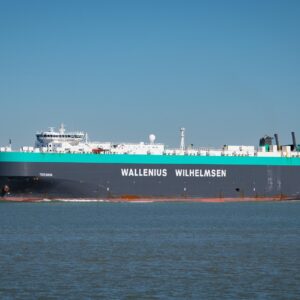
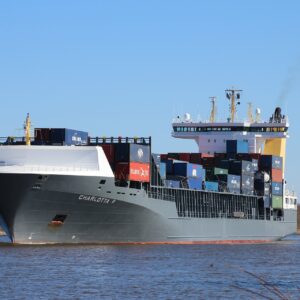
The latest advisory from Mediterranean Shipping Company confirms that the revised European Union Emissions Trading System will require carriers to account for every tonne of carbon emitted on voyages connected to EU and EEA ports from 2026. Coverage rises from seventy percent in 2025 to full responsibility the following year, meaning that shipping lines must purchase additional allowances and report emissions for both inbound and outbound legs as well as port calls.

How the surcharge will work

To offset these higher compliance expenses MSC will introduce an EU ETS surcharge. The fee will follow the same calculation logic used for the existing Bunker Recovery Charge. In practice the company will multiply the prevailing carbon allowance price by verified voyage emissions and distribute the result across container slots. This formula gives customers a direct view of how carbon cost trends influence freight rates from quarter to quarter.

Hidden opportunity for shippers

A non obvious advantage emerges for planners who ship under long term contracts. Because the surcharge is fluid the differential between low and high efficiency vessels becomes transparent in freight invoices. Shippers that actively select services operated by newer fuel efficient ships could see a natural discount relative to trade lanes served by older tonnage. In effect the policy rewards informed routing choices without any extra negotiation.

Preparing for change

Shippers can prepare by taking three simple steps:

  • Gather historical voyage data to model future surcharge exposure across lanes.
  • Discuss with supply chain partners the possibility of slow steaming schedules that lower emissions.
  • Include a carbon cost clause in budget reviews to avoid unforeseen variance.

Conclusion

The expansion of EU ETS marks another milestone in the maritime transition toward cleaner transport. MSC has translated regulatory language into a familiar surcharge framework, giving customers clarity and time to adapt. Early data driven decisions will translate directly into competitive advantage.

Source – Container News

Bipartisan House bill boosts sustainable aviation fuel momentum with extended tax credit

What the legislation proposes

A new bipartisan measure before the House would extend the Section 45Z Clean Fuel Production Credit, originally created in the Inflation Reduction Act, for a full decade to 2037. The proposal keeps the sustainable aviation fuel incentive at up to one dollar seventy-five cents per gallon for deep lifecycle carbon reductions while preserving stackable bonuses for climate smart feedstocks.

Certainty for producers and airlines

Long visibility on credit value allows fuel developers to finalise financing for biorefineries and assures airlines that sizeable SAF volumes will reach the market at competitive prices. Forward contracts covering several fleet renewal cycles become more attractive because operators can model fuel costs with greater confidence.

Benefits for agriculture and communities

The bill directs Treasury to recognise climate smart corn, soybean and agricultural residue pathways. That alignment channels new revenue into rural areas, diversifies farm income and stimulates logistics demand for moving biomass to modern refineries. Truckers, rail operators and barge owners each stand to gain from enlarged feedstock flows.

Non-obvious infrastructure insight

Extending the credit also encourages airports to invest in dedicated SAF storage and blending systems. These capital projects qualify for accelerated depreciation under existing tax rules, effectively linking infrastructure upgrades with guaranteed fuel demand. Airports that act early can position themselves as preferred hubs for next generation aircraft routes.

Conclusion

By combining policy predictability with technology neutral lifecycle safeguards, the House proposal sets a clear runway for scaling sustainable aviation fuel across the United States while unlocking fresh opportunities for farmers, logisticians and airport operators alike.

Source – The Air Current