

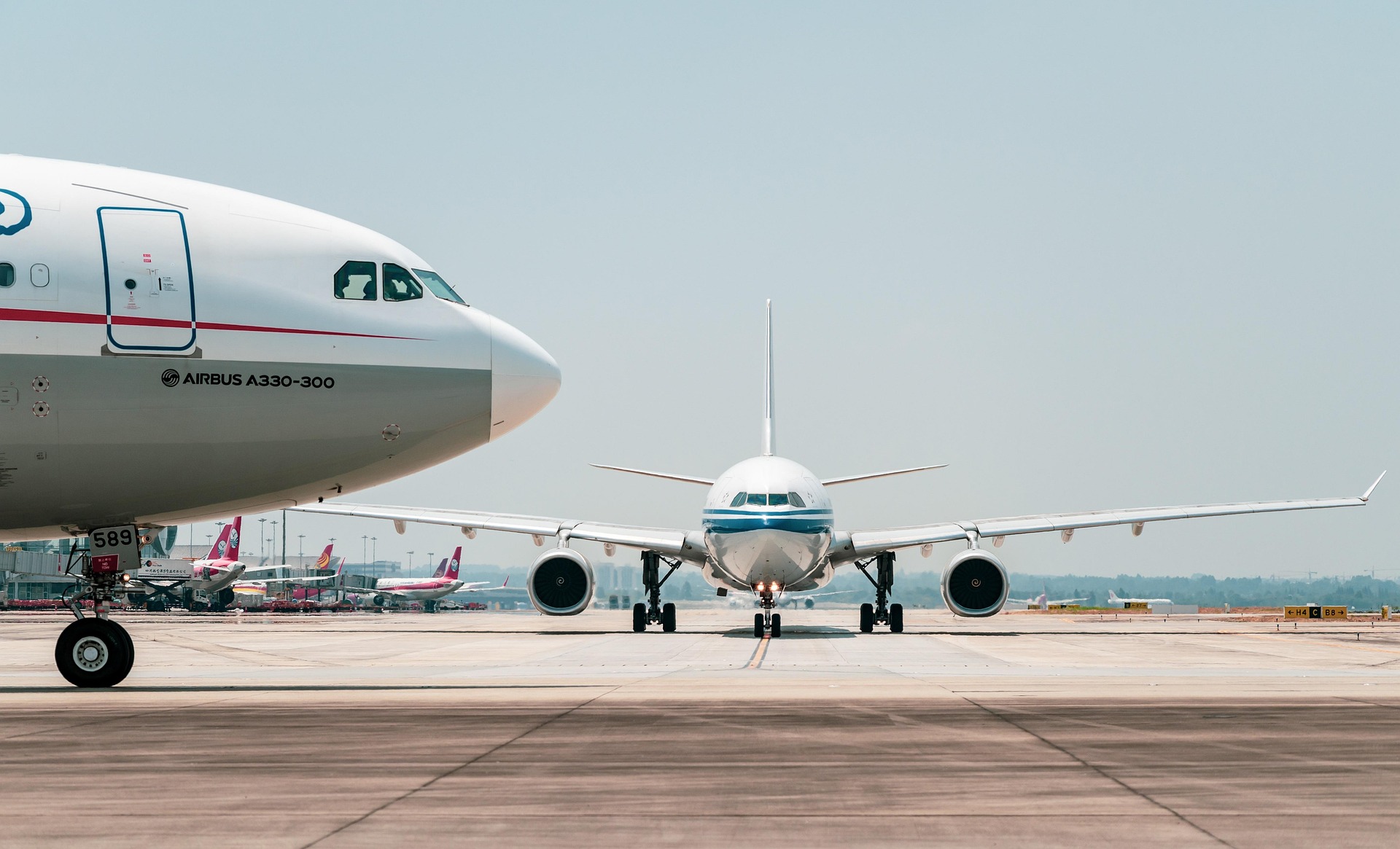

The three efficiency levers
New research from the University of Oxford shows that airlines can cut between fifty and seventy five percent of their climate footprint without waiting for futuristic fuels. The secret is a trio of common sense measures that already exist inside the hangar.
Choose the most efficient aircraft
Every airline owns a mixed fleet. The study analysed more than twenty seven million flights and observed that the newest twin engine designs consume almost two thirds less fuel per passenger kilometre than older models. Strategically scheduling these fuel sipping jets on every route could trim global emissions by eleven percent immediately.
Reimagine cabin space
Premium cabins create comfort but occupy more floor area per traveller. By switching wide body aircraft to economy layouts airlines can add up to fifty percent more seats. More seats mean the same amount of fuel is shared across many additional journeys which multiplies efficiency without any new technology.
Fill every seat
Average load factors currently sit below eighty percent. Raising that figure to ninety five percent would cut another sixteen percent of emissions. One surprisingly simple tactic involves dynamic ticket pricing that rewards travellers who choose flights with empty seats, smoothing demand across the day.
Policy and business upside
Investors will appreciate that these measures align perfectly with profit. Newer aircraft reduce fuel bills, dense cabins lift revenue per litre of kerosene, and fuller planes improve margins. A non obvious insight from the study is that deploying efficient jets on the busiest one hundred city pairs alone would deliver almost one quarter of the total saving, illustrating the power of focusing on high frequency corridors first.
Conclusion
Efficiency may lack the glamour of hydrogen aircraft yet it delivers climate wins right now. By coordinating fleet assignment, cabin design and smart demand management, aviation can fly further on far less fuel while industry innovators continue developing tomorrow’s propulsion solutions.