

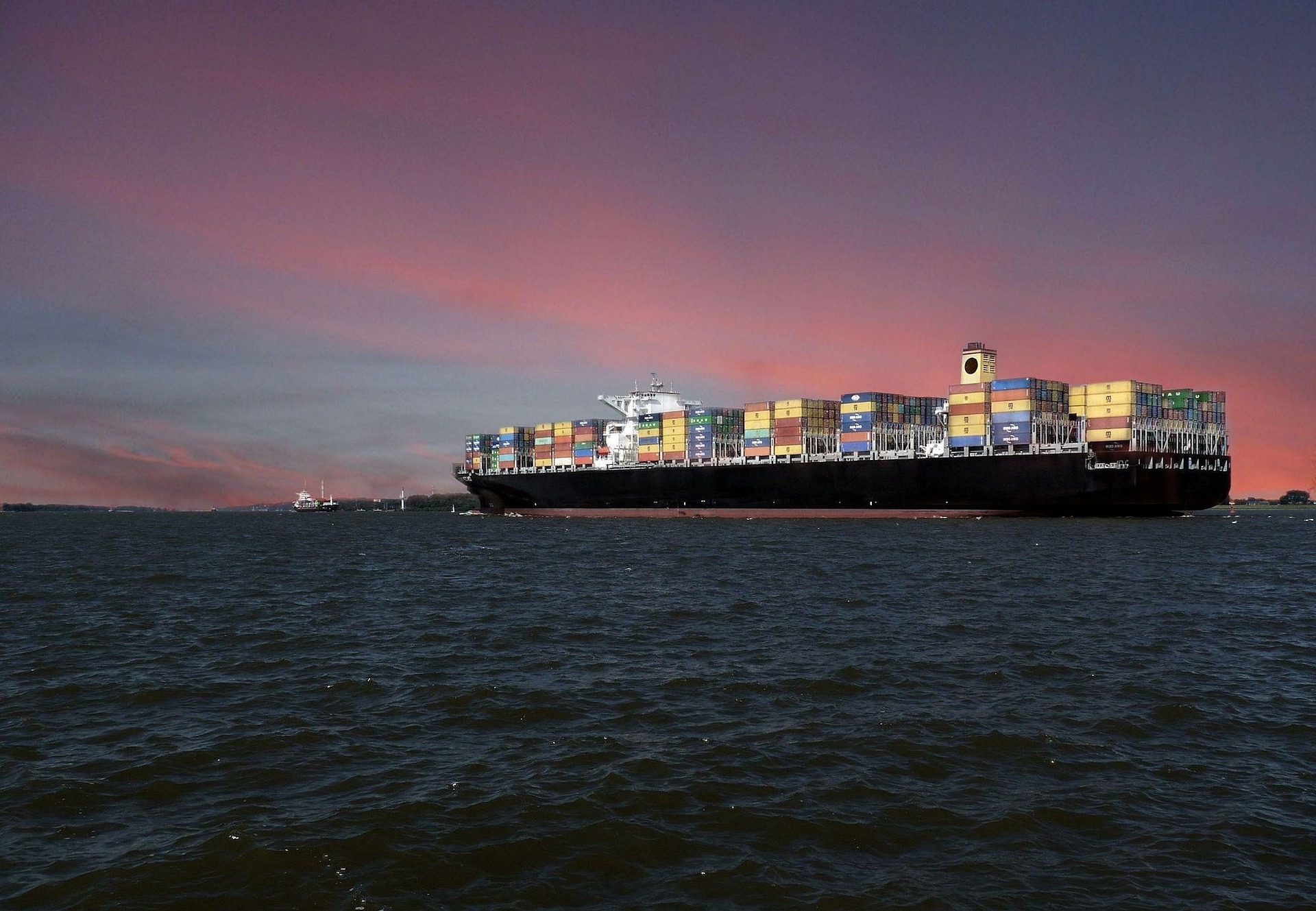

From organic waste to liquid energy
Bio LNG begins life as biomethane created by digesting food scraps, agricultural residues and sewage sludge. After purification the gas is cooled to minus one hundred sixty two degree Celsius, turning it into a dense liquid that fits existing storage and bunkering systems built for fossil LNG. This simple drop in characteristic means operators do not need expensive engineering upgrades.
Production process
There are two prevailing approaches. Onshore plants collect waste streams near cities, upgrade the gas and liquefy it on site. At coastal terminals, bio and fossil molecules can be mixed under a mass balance contract, so every tonne delivered is matched by certified renewable production. This book and claim structure allows supply to scale rapidly without building parallel infrastructure.
Infrastructure advantage
Because Bio LNG shares the same temperature and flow properties as traditional LNG, the growing global network of ship to ship barges, trucks and port terminals is already compatible. Fleet owners who installed dual fuel engines for cost reasons now receive an unexpected environmental dividend, since the same engines can deliver large emission cuts whenever Bio LNG is available.
Regulatory and financial upside
European Union programmes such as FuelEU Maritime and the Emissions Trading Scheme reward low lifecycle carbon fuels. Operators that exceed their yearly intensity targets earn surplus compliance units that can be sold to higher emitting peers. A non obvious insight is that these surplus units could become a stable secondary revenue stream, effectively turning waste gas into cash as well as propulsion.
Conclusion
Bio LNG provides the shipping sector with an actionable bridge toward future zero carbon fuels. By harnessing existing hardware, utilising abundant waste and unlocking fresh financial incentives, the industry can cut climate impact today while preparing for even cleaner technologies tomorrow.