

California’s New Approach to Aviation Decarbonization: What It Means for the Future

California’s New Approach to Aviation Decarbonization: What It Means for the Future 
 
In a surprising turn of events, the California Air Resources Board (CARB) recently decided to withdraw its proposal to mandate the use of low-carbon jet fuel through its Low Carbon Fuel Standard (LCFS) program. This decision has sparked significant debate, as California was poised to become a global leader in decarbonizing the aviation sector—a move that many viewed as critical in the fight against climate change. 

The Decision Explained 

Initially, CARB’s proposal aimed to require jet fuel suppliers to incorporate more sustainable aviation fuels (SAF) into their offerings, thereby reducing the carbon footprint of air travel. However, CARB retracted this plan, citing concerns that the market-based program could allow suppliers to bypass actual decarbonization efforts by purchasing credits from other entities with surplus credits to sell. This explanation has left many scratching their heads, as the credit system is designed to incentivize emissions reductions, whether directly by the regulated entities or indirectly through the purchase of credits. 

Potential Underlying Issues 

The withdrawal has raised questions about what might have driven this decision. One possible factor is the aviation industry’s significant pressure against the mandate, coupled with fears of potential lawsuits challenging California’s authority to enforce such regulations. The airline industry has argued that federal laws preempt the state from mandating any form of decarbonization of jet fuel. However, legal experts suggest that these fears may be overstated. 

Three federal statutes are often cited in preemption concerns: the Clean Air Act, the Airline Deregulation Act, and the Federal Aviation Act. Yet, there appears to be legal room for California to regulate jet fuel under the LCFS without directly conflicting with these federal laws. For example, the Clean Air Act governs emissions standards for airplane engines but does not prevent states from regulating the fuels used in those engines. Similarly, while the Airline Deregulation Act limits state interference in airline prices, routes, and services, a fuel mandate might not necessarily cross that line unless it significantly impacts these economic factors. 

Why It Matters 

The aviation sector is one of the hardest to decarbonize, and policy-driven initiatives are crucial to driving the necessary changes. While technologies like hydrogen, e-fuels, and battery-powered flight are making progress, they are not yet viable for large-scale, long-term use. In the meantime, SAFs—blended with conventional jet fuels—offer a more immediate solution for reducing the sector’s carbon footprint. Governor Gavin Newsom had directed CARB to set an ambitious 20% clean fuels target for aviation, reflecting the urgency of addressing aviation emissions. 

California’s LCFS program could have been a powerful tool to not only encourage the use of SAFs but also to send a clear signal to the aviation industry that the state is serious about its climate commitments. By stepping back from this mandate, California risks slowing the momentum needed to advance sustainable air travel. 

VURDHAAN’s Perspective on Sustainable Aviation 

At VURDHAAN, we understand the complexities of transitioning to sustainable aviation fuels and the importance of regulatory frameworks in facilitating this shift. Our consultancy specializes in guiding aviation stakeholders through regulatory landscapes like CORSIA and the EU ETS, helping them integrate SAFs and other low-carbon solutions into their operations. We also provide strategic support in navigating legal challenges and optimizing sustainability strategies to ensure compliance and advance environmental goals. 

VURDHAAN’s holistic approach—spanning support, education, and implementation—enables aviation companies to align with global sustainability trends while overcoming the challenges posed by regulatory changes. As the industry faces increasing pressure to decarbonize, we are committed to helping our clients achieve their sustainability targets and lead the way in reducing aviation’s carbon footprint. 

Looking Ahead: A Strategic Pause or a Missed Opportunity? 

While CARB’s decision to withdraw the SAF mandate is a setback for those advocating immediate action, it may also represent a strategic pause to reassess the best approach to achieving sustainable aviation. The pathway to decarbonizing aviation remains complex, but the need for clear, enforceable policies is undeniable. As California reconsiders its approach, there remains an opportunity to craft regulations that balance innovation, industry needs, and environmental responsibility. 

In the meantime, the broader aviation industry must continue to invest in and prioritize the development of SAFs and other low-carbon technologies. The journey to sustainable air travel is far from over, and with the right strategies and partnerships, the sector can still achieve significant progress in the years ahead. 
 
Source
Hungary’s New Transport Action Plan: Paving the Way for a Greener and More Efficient Future

The Hungarian government has recently unveiled a comprehensive five-point Transport Action Plan designed to modernize the country’s rail system and enhance passenger services while driving the green transition. This ambitious plan, set to launch in 2025, represents a significant investment in the nation’s infrastructure and aligns closely with the European Green Deal’s climate goals. 

Key Components of the Transport Action Plan 

The action plan is structured around five core areas: 

  1. Guaranteeing Passenger Rights: Ensuring that the rights and experiences of passengers are protected and prioritized. 
  1. Railway Infrastructure Development: A substantial investment in building and upgrading rail lines to enhance service reliability. 
  1. Rolling Stock Modernization: Purchasing new trains and improving existing fleets for greater efficiency and passenger comfort. 
  1. Improving Passenger Comfort: Enhancing amenities and services on trains and at stations to improve overall travel experience. 
  1. Reorganizing MÁV Zrt. (Hungarian State Railway): Streamlining operations and restructuring the organization into a more efficient and responsive company. 

János Lázár, Minister of Construction and Transport, emphasized that half of Hungary’s 6,500 kilometers of railway tracks currently face speed limitations due to outdated infrastructure. The new action plan seeks to address this issue by launching a complex rail track renewal and development program valued at over EUR 2 billion. To fund this initiative, the government plans to secure a EUR 1 billion loan from the European Investment Bank (EIB) and match it with an additional EUR 1 billion in state resources. 

Advancing Hungary’s Green Transition 

The Transport Action Plan is not just about improving service quality—it’s also about contributing to the broader European Green Deal, which aims to achieve a 90% reduction in greenhouse gas emissions from transport by 2050. Rail transport, being one of the least carbon-intensive modes of transportation, plays a crucial role in this transition. 

Electrified rail lines are central to Hungary’s green strategy. While the Central Hungary and Western Transdanubia regions already boast high shares of electrified railways, with 87% and 71% respectively, other regions like the Southern Great Plain and Northern Great Plain still lag behind, with only 26% and 28% electrification. Expanding electrified rail networks, particularly in underdeveloped regions, will be key to reducing emissions and improving connectivity across the country. 

The Hungarian Central Statistical Office (KSH) highlights that 40.7% of Hungary’s rail lines were electrified in 2022, a figure that lags behind many European counterparts. In contrast, Switzerland (99.8%) and Luxembourg (96.7%) lead in rail electrification, while neighboring Austria has achieved 72% electrification. Through this new action plan, Hungary aims to close this gap and align itself more closely with regional leaders in rail sustainability. 

VURDHAAN’s Role in Supporting Rail Sustainability 

At VURDHAAN, we recognize the significance of rail transport in driving sustainable development and decarbonization across Europe. Our consultancy specializes in helping organizations navigate regulatory frameworks like the European Green Deal while implementing initiatives that enhance environmental performance. We offer strategic guidance on areas like the Railway Noise Directive, the UIC Sustainability Charter, and green rail programs that align with Hungary’s ambitious goals. 

Through our tailored support, education, and implementation services, VURDHAAN empowers stakeholders in the rail sector to adopt sustainable practices, improve ESG performance, and leverage green technologies. As Hungary embarks on this transformative journey to modernize its transport infrastructure, VURDHAAN remains committed to partnering with rail operators, infrastructure managers, and policymakers to ensure that these investments deliver long-lasting environmental and social benefits. 

A Greener, More Connected Future 

Hungary’s Transport Action Plan represents a decisive step toward a more efficient and sustainable rail network. By prioritizing the development of electrified rail lines, modernizing infrastructure, and enhancing passenger services, Hungary is positioning itself as a key player in Europe’s green transition. This initiative not only supports national and EU climate goals but also sets the foundation for a more connected and environmentally responsible future. 
 
Source

X-Press Feeders Expands Green Methanol-Powered Routes with New Baltic Service

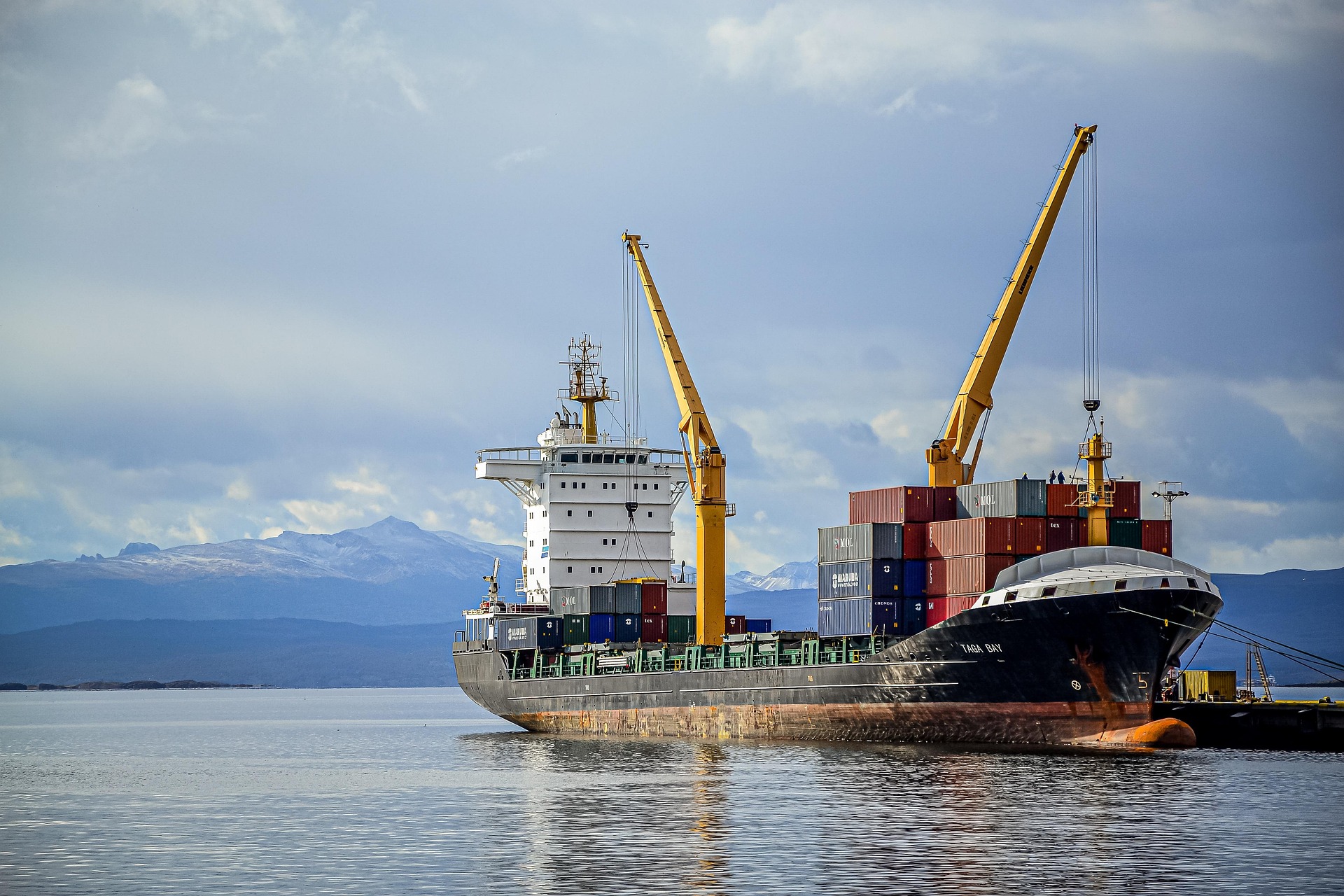
X-Press Feeders, the world’s largest independent common carrier, has once again taken a significant step forward in sustainable shipping by launching its second green methanol-powered route, the Green Baltic X-PRESS (GBX). This new service, which began operations on August 23, is part of Europe’s first scheduled feeder network powered entirely by green methanol, reflecting the company’s strong commitment to reducing carbon emissions and promoting eco-friendly shipping practices. 

The Green Baltic X-PRESS Route 

The GBX route offers services between key ports across Northern Europe, including: 

  • Rotterdam 
  • Antwerp-Bruges 
  • Klaipeda 
  • Riga 
  • Rotterdam 

This expansion follows the successful launch of the Green Finland X-PRESS (GFX) route in July and further solidifies X-Press Feeders’ leadership in adopting sustainable marine technologies. The GBX route’s introduction was made possible with the deployment of the Eco-Umande, a dual-fuel container ship specifically retrofitted to run on green methanol. The Eco-Umande joins Eco-Maestro and Eco-Levant in X-Press Feeders’ growing fleet of vessels capable of operating on both traditional fuels and green methanol. 

The First Methanol Dual-Fuel Retrofit Container Ship 

The Eco-Umande is notable for being the first container ship to undergo a methanol dual-fuel retrofit. Originally designed with methanol readiness in mind, the vessel was upgraded by SUMEC Marine in collaboration with Pacific Ocean Engineering (Zhoushan) Co., Ltd. This retrofit is a testament to the rapid advancements in decarbonization and the growing demand for green methanol as a viable marine fuel. Equipped with a MAN Energy Solutions 5S50ME methanol dual-fuel engine, the Eco-Umande has a capacity of 1,260 TEU and measures 148 meters in length, 27.2 meters in width, and 14.3 meters in depth. 

Green Methanol: Powering the Future of Shipping 

Green methanol is a renewable fuel derived from organic waste and residues, offering up to a 65% reduction in greenhouse gas emissions compared to conventional marine fuels. X-Press Feeders’ use of green methanol is independently certified under the International Sustainability and Carbon Certification (ISCC) in Europe, ensuring that their operations meet the highest standards of sustainability. 

The launch of the GBX route comes at a crucial time for the shipping industry. With the EU’s emissions trading scheme (ETS) for maritime shipping now in effect, and the upcoming FuelEU Maritime regulations set to begin in 2025, there is increased pressure on shippers to adopt low-carbon solutions. By leading the charge with green methanol-powered vessels, X-Press Feeders is positioning itself as a pioneer in sustainable maritime transport, setting a strong example for the industry. 

A Strategic Network and the Role of Ports 

The Port of Rotterdam has been selected as the base for the GBX network, thanks to its advanced infrastructure for green methanol refueling. Additionally, X-Press Feeders has signed memorandums of understanding (MOUs) with major ports across Europe, including Antwerp-Bruges, Klaipeda, Riga, Tallinn, Helsinki, and HaminaKotka, to further promote the adoption of green methanol in shipping operations. 

Looking ahead, X-Press Feeders has 14 methanol dual-fuel container ships on order from various shipyards in China, signaling a strong commitment to expanding its green fleet. 

VURDHAAN’s Role in Driving Maritime Sustainability 

At VURDHAAN, we are inspired by X-Press Feeders’ proactive approach to sustainable shipping and see this as a perfect example of how the industry is embracing green innovations. Our consultancy specializes in guiding maritime stakeholders through the complexities of decarbonization, helping them navigate regulations like the EU MRV, FuelEU Maritime, and more. 

Through our tailored support, education, and implementation services, we empower shipping companies to integrate sustainable fuels such as bioLNG, bioMethane, and green methanol into their operations. As the maritime sector accelerates toward a low-carbon future, VURDHAAN is proud to be at the forefront of supporting transformative initiatives that reduce environmental impact and enhance sustainability. 

Sailing Toward a Greener Future 

The launch of the Green Baltic X-PRESS route is more than just a new service—it represents a significant shift towards a more sustainable future for global shipping. As X-Press Feeders continues to expand its green methanol-powered network, the company is setting a new benchmark for eco-friendly operations, demonstrating that sustainability and operational efficiency can go hand in hand. 
 
Source 

EVA Air Champions Green Aviation with Groundbreaking AeroSHARK Technology 

EVA Air has taken a significant step toward greener skies by equipping its fleet of nine Boeing 777 freighters (777Fs) with AeroSHARK technology—a cutting-edge drag-reducing film developed by Lufthansa Technik (LHT) and BASF. As the demand for travel stabilizes post-summer, the Taiwanese airline is seizing this period to implement these advanced modifications, enhancing fuel efficiency and reducing carbon emissions. 

Leading the Way with AeroSHARK Technology 

EVA Air’s decision to integrate AeroSHARK technology marks a significant milestone as the airline becomes the first in Asia to adopt this innovative solution. The first modified 777F, registered as L-16786, recently emerged from EVA Air’s Taipei Taoyuan International Airport (TPE) facility, sporting the AeroSHARK film on its fuselage and engine nacelles. The modification process was expertly carried out by Evergreen Aviation Technologies Corporation (EGAT), with Lufthansa Technik specialists providing oversight. 

How AeroSHARK Reduces Emissions 

AeroSHARK’s technology draws inspiration from the unique properties of shark skin. The film features microscopic riblets—tiny ridges only 50 micrometers thick—that smooth out the airflow around the aircraft, reducing drag and optimizing fuel efficiency. Covering around 830 square meters (about twice the area of a basketball court) of the fuselage and engine nacelles of each Boeing 777F, AeroSHARK delivers a 1% improvement in fuel efficiency. For EVA Air, this results in annual savings of more than 2,500 metric tons of fuel and a reduction of over 7,800 metric tons of carbon dioxide emissions, underscoring the potential of small innovations to create large-scale environmental impact. 

Scaling Sustainability in Aviation 

EVA Air’s adoption of AeroSHARK technology is part of a broader trend within the aviation industry to integrate advanced technologies aimed at reducing carbon footprints. The airline’s diverse fleet, which includes Airbus A321-200s, A330-300s, Boeing 777-300ERs, and Boeing 787 Dreamliners, could see further eco-friendly enhancements as sustainability becomes a central focus of aviation strategy. As more airlines explore solutions like AeroSHARK, the future of sustainable air travel becomes increasingly promising. 

Lufthansa Technik and BASF are continuously expanding the applications of AeroSHARK, with ongoing efforts to secure certifications for more aircraft types. Projections indicate that as the technology is applied more extensively, it could achieve up to a 3% reduction in carbon emissions—an exciting prospect for airlines committed to advancing their environmental goals. 

VURDHAAN’s Role in Driving Aviation Sustainability 

At VURDHAAN, we applaud EVA Air’s leadership in adopting AeroSHARK technology and view this development as a key example of how innovative solutions can drive sustainability in aviation. Our consultancy specializes in guiding organizations through the complexities of decarbonization in the aviation sector, offering expertise in initiatives such as CORSIA, Airport Carbon Accreditation, and the adoption of Sustainable Aviation Fuels (SAF). 

Our holistic approach—comprising support, education, and implementation—empowers aviation stakeholders to meet regulatory standards, optimize sustainability strategies, and achieve voluntary certifications that enhance their ESG performance. As the aviation industry evolves toward greener operations, VURDHAAN remains a dedicated partner, helping airlines and aviation stakeholders stay ahead in their sustainability journeys. 

Looking Toward a Sustainable Future 

EVA Air’s integration of AeroSHARK technology exemplifies the growing role of innovation in reducing aviation’s environmental impact. As more airlines adopt similar advancements, the industry will be better positioned to meet its carbon reduction targets while maintaining operational efficiency. This initiative by EVA Air is a clear indication that the future of flight lies in the intersection of advanced technology and environmental responsibility, setting a new standard for sustainable aviation worldwide. 
 
Source 

Boeing’s Green Horizon: Aiming for 100% Biofuel-Powered Aircraft by 2030

In a groundbreaking move, Boeing has announced its commitment to delivering commercial airplanes capable of flying on 100% biofuel, or Sustainable Aviation Fuel (SAF), by 2030. This ambitious target is a crucial step in the global effort to mitigate the environmental impact of aviation, which currently contributes around 2% of global CO₂ emissions and 12% of transport-related emissions, according to the Air Transport Action Group (ATAG). 

Boeing’s latest announcement aligns with the International Air Transport Association’s (IATA) long-term goal of reducing carbon emissions to half of 2005 levels by 2050. Given that commercial aircraft typically remain in service for two decades, the 2030 deadline is strategically significant. This marks the timeframe for Boeing to integrate 100% biofuel capability into its aircraft fleet, ensuring the aviation industry is well on its way to achieving these broader sustainability objectives. 

Pioneering a Sustainable Aviation Future 

Boeing is no stranger to biofuel innovation. In 2018, the company successfully conducted the world’s first commercial flight powered entirely by biofuel. Building on this achievement, the company’s latest commitment demonstrates its readiness to scale biofuel use across its fleet. The transition to 100% biofuel, however, presents unique challenges. Boeing will need to collaborate closely with engine manufacturers, adapt its aircraft systems, and secure certifications from global regulators to make this vision a reality. 

Sean Newsum, Boeing’s Director of Sustainability Strategy, emphasized the scale of this challenge, stating, “It’s the challenge of our lifetime. Aviation is committed to doing its part to reduce its carbon footprint.” This bold declaration underlines Boeing’s dedication to spearheading sustainable aviation practices in an industry where long-haul flights have limited alternative options for decarbonization. 

Reducing Carbon Footprints Through Innovation 

Currently, aviation biofuels are blended with conventional jet fuel in a 50/50 ratio, the maximum allowed under current regulations. Boeing’s 2030 goal represents a leap forward, requiring industry-wide collaboration to develop fully biofuel-compatible aircraft and ensure safety and efficiency standards are met. 

Beyond biofuels, Boeing and its European competitor Airbus are exploring other methods to reduce carbon emissions, such as improving aircraft designs to lower weight and drag. These efforts demonstrate the aviation industry’s commitment to innovation as a key driver of sustainable solutions, even as companies navigate the ongoing challenges posed by the COVID-19 pandemic and the aftermath of the 737 MAX crisis. 

VURDHAAN’s Role in Advancing Sustainable Aviation 

At VURDHAAN, we fully support Boeing’s vision and the broader push towards sustainable aviation. Our consultancy is actively involved in guiding organizations through the complexities of carbon reduction strategies, with expertise in areas like CORSIA, ReFuelEU, and Sustainable Aviation Fuel integration. We offer tailored support to aviation stakeholders, helping them achieve regulatory compliance, optimize ESG performance, and adopt pioneering practices that align with global sustainability goals. 

VURDHAAN’s approach centers on supporting organizations through our three-step methodology: Support, Educate, and Implement. We assist clients in navigating the evolving regulatory landscape, provide specialized training to enhance sustainability expertise, and collaborate closely to implement impactful strategies that deliver measurable results. As the aviation industry accelerates its journey toward decarbonization, VURDHAAN remains a trusted partner in shaping a sustainable future for air travel. 

The Road Ahead: Turning Ambition into Action 

Boeing’s 2030 biofuel commitment is a game changer in the fight against climate change. As the industry rallies behind bold initiatives like this, the future of aviation looks increasingly green. For stakeholders across the sector, the key lies in turning ambitious goals into actionable strategies that drive real-world impact. 

With the right investments, collaborations, and innovations, Boeing’s vision of a 100% biofuel-powered fleet could set a new standard for the industry and inspire other sectors to adopt equally transformative approaches. The path forward is challenging, but with continued progress, sustainable aviation is no longer a distant goal—it’s a fast-approaching reality. 
 
Source 

Brazil’s $1 Billion Green Fuels Initiative: Paving the Way for Sustainable Aviation Growth

Brazil has taken a significant step towards leading the global energy transition by launching a $1 billion (about $3.1 per person in the US) initiative focused on the development of Sustainable Aviation Fuels (SAF) and Navigation Fuels. On August 22, the Brazilian federal government announced this strategic program to promote biorefinery development, emphasizing sustainability and energy efficiency. The investment, backed by BRL 6 billion from the National Bank for Economic and Social Development (BNDES) and the Funding Authority for Studies and Projects (FINEP), seeks to drive Brazil’s shift towards a green economy. 

In a high-profile event attended by key government figures, including Ministers Luciana Santos (Science, Technology, and Innovation), Geraldo Alckmin (Development, Industry, Commerce, and Services), and Alexandre Silveira (Mines and Energy), the focus on integrating sustainability with technological advancements was clear. Minister Santos highlighted how this move aligns with the New Industry of Brazil initiative, which focuses on merging modern technology with sustainable practices. 

This program is not only a crucial step for Brazil’s industrial and energy strategy but also a significant move on the global stage. Transport is a key contributor to global CO₂ emissions, with aviation and maritime sectors accounting for 2% and 3% respectively, according to the Intergovernmental Panel on Climate Change (IPCC). By prioritizing projects that drive the production and commercialization of sustainable fuels, Brazil is positioning itself as a leader in addressing these critical environmental challenges. 

Vice President and MDIC Minister Geraldo Alckmin emphasized Brazil’s pivotal role in the global biofuels market, noting, “This public call reinforces our commitment to the green economy and positions Brazil as a leader in the global energy transition.” The initiative is open to Brazilian companies involved in fuel production, research, and technological innovation, with each business plan needing a credit requirement of over BRL 20 million. 

Minister Alexandre Silveira echoed these sentiments, stating that Brazil has a unique opportunity to spearhead a new economy built on sustainability. The program not only provides financial backing for research, technological development, and engineering but also supports pilot plants, machinery acquisition, and other related activities. The deadline for submission of business proposals is October 31, setting the stage for innovative projects that could shape the future of sustainable fuels. 

VURDHAAN’s Role in Advancing Sustainable Aviation and Maritime Fuels 

At VURDHAAN, we applaud Brazil’s proactive approach to sustainable fuel development. As experts in sustainability consultancy across various sectors, including aviation and maritime, we recognize the importance of initiatives like this in driving meaningful environmental progress. Our expertise in areas such as CORSIA, EU ETS, and ReFuelEU aligns closely with the objectives of this program, and we are actively engaged in supporting similar sustainability efforts worldwide. 

VURDHAAN’s holistic methodology—spanning support, education, and implementation—enables organizations to meet regulatory compliance, achieve sustainability certifications, and optimize their ESG strategies. We’re excited to see how Brazil’s investment in biorefineries will contribute to global advancements in sustainable fuel technologies and look forward to collaborating with stakeholders on similar transformative projects. 

This program represents a promising step forward, not only for Brazil but for the global movement towards a more sustainable, low-carbon future in aviation and maritime sectors. Through innovative funding and strategic vision, Brazil is set to be a key player in this crucial transition, leading the way in both technological advancement and environmental stewardship. 
 
Source 

Mission RHUMI 2024: Pioneering India’s First Reusable Hybrid Rocket with a Mobile Launchpad

India’s space industry is set to achieve a groundbreaking milestone as Space Zone India and Martin Group unveil Mission RHUMI 2024. This innovative mission will see the launch of India’s first reusable hybrid rocket from a mobile launchpad—a first-of-its-kind achievement in the country’s aerospace sector. The rocket, named RHUMI 1, is scheduled for its official launch on August 24, 2024, at Thiruvidandhai Coastal Village, Chengalpet, marking a significant step forward in India’s space exploration capabilities. 

Revolutionizing Space Technology in India 

Mission RHUMI 2024 showcases India’s growing prowess in aerospace technology, blending cutting-edge advancements with sustainable practices. The reusable hybrid rocket developed by Space Zone India leverages a combination of liquid oxidizer and solid fuel propellant systems, enhancing fuel efficiency and reducing operational costs. The introduction of a mobile launchpad adds unparalleled flexibility, allowing launches from virtually any location and adapting to various scenarios with ease. 

The rocket will carry three Cube satellites designed to monitor critical atmospheric conditions, including cosmic radiation, UV radiation, and air quality. Additionally, it will deploy 50 Pico satellites, each dedicated to collecting valuable data on environmental factors like vibration, altitude, ozone levels, and molecular structures. This mission is expected to significantly advance our understanding of atmospheric dynamics and environmental science. 

A Vision for Sustainable Space Exploration 

Dr. Anand Megalingam, Founder and CEO of Space Zone India, emphasized the importance of sustainability and innovation in space exploration: 

“Mission RHUMI 2024 is a direct response to the growing need for cost-effective and environmentally friendly space missions. By introducing a reusable hybrid rocket, we are not only reducing financial barriers but also minimizing the environmental impact of space exploration. Our mission reflects our commitment to making space technology more accessible and sustainable for future generations.” 

The mission also highlights the importance of collaboration between different sectors to drive technological advancements. Space Zone India’s partnership with Martin Group brings together industry leaders with a shared vision of promoting sustainability, innovation, and education. 

Cutting-Edge Technology for the Future 

Dr. Mylswamy Annadurai, affectionately known as the “Moon Man of India,” highlighted the significance of the hydraulic mobile launchpad: 

“The launch of the hybrid rocket through our hydraulic mobile launchpad is a pioneering initiative that sets a new benchmark in aerospace technology. This system provides unparalleled flexibility and efficiency, allowing us to adapt to various launch scenarios and drive the success of space missions.” 

With this innovative approach, Space Zone India is redefining how rocket launches are conducted, making them more dynamic and responsive to evolving needs. 

Martin Group’s Vision for Innovation and Education 

The Martin Group, a key partner in this mission, views this collaboration as an opportunity to push the boundaries of technology and contribute to educational initiatives that inspire the next generation of scientists and engineers. Jose Charles Martin, Managing Director of Martin Group, shared his enthusiasm: 

“Supporting Mission RHUMI 2024 aligns perfectly with our vision of driving technological advancements and inspiring future generations through research and education. By partnering with Space Zone India, we are not only backing a groundbreaking mission but also empowering students with opportunities to explore the world of rocket science and space technology.” 

VURDHAAN’s Commitment to Space Sustainability 

At VURDHAAN, we recognize the crucial role that sustainable and innovative space technologies play in shaping the future. Our expertise spans critical areas like space sustainability ratings (SSR), space debris mitigation, and the development of environmentally responsible aerospace strategies. We are committed to supporting initiatives like Mission RHUMI 2024 that not only push technological boundaries but also emphasize sustainability and responsible exploration. Through our tailored consultancy and strategic guidance, we help organizations align their space missions with global sustainability goals. 

Looking Ahead: A New Era in India’s Space Exploration 

The upcoming launch of Mission RHUMI 2024 marks a transformative moment for India’s space industry. With its reusable hybrid rocket and mobile launchpad, Space Zone India is leading the way in sustainable space exploration. This mission is a testament to the power of collaboration, innovation, and the shared vision of a greener, more accessible space sector. 

As India continues to rise as a global leader in space technology, VURDHAAN is proud to contribute to the progress of sustainable aerospace solutions. Together, we can propel the next generation of space exploration while ensuring that sustainability remains at the core of every mission. 

Source 

Bengaluru and Delhi Airports Earn Asia’s Highest Carbon Accreditation

India’s aviation sector has made a significant leap toward sustainability as Bengaluru’s Kempegowda International Airport and Delhi International Airport achieve Level 5 in Airports Council International’s (ACI) Airport Carbon Accreditation program. These airports are among the first in Asia to reach this prestigious level, placing them at the forefront of advanced carbon management in the region. Their achievements not only reinforce India’s commitment to decarbonizing air transport but also set a high standard for other airports across the globe. 

A Milestone in Airport Sustainability 

The Level 5 accreditation, the highest tier in the Airport Carbon Accreditation program, represents a comprehensive and mature approach to carbon management. Airports at this level must maintain a net-zero carbon balance for Scope 1 and 2 emissions while also making substantial progress in addressing Scope 3 emissions, which include indirect emissions from third parties such as ground transportation and supply chains. 

Breaking Down the Achievements 

Kempegowda International Airport Bengaluru: The Bengaluru airport has set a new benchmark by achieving a remarkable 95.6% reduction in Scope 1 and 2 emissions—seven years ahead of its original 2030 target. This success is the result of extensive efforts including a full transition to 100% renewable electricity, the promotion of sustainable mobility options, and significant investments in green infrastructure. Additionally, the airport has offset its remaining emissions through verified carbon removal projects and further compensates through in-house green landscape initiatives. 

Delhi International Airport: Equally impressive, Delhi Airport has achieved a 90% reduction in Scope 1 and 2 CO2 emissions. By procuring carbon offsets that meet the stringent standards of the Airport Carbon Accreditation program, the airport has compensated for its residual emissions. The airport is also focused on reducing Scope 3 emissions with a commitment to reaching net-zero by 2050, in alignment with global sustainability goals. 

Driving Asia’s Decarbonization Efforts 

Stefano Baronci, Director General of ACI Asia-Pacific & Middle East, emphasized the significance of these achievements: 

“The two Indian hubs have joined the group of global airports leading the charge in environmental sustainability. Their successes result from a long-term vision, a clear roadmap to net zero, and the dedicated efforts of their teams and industry partners.” 

The recognition of these two airports highlights India’s growing leadership in sustainable aviation and serves as an inspiration for airports across Asia to embrace more ambitious climate action. As more airports in the region focus on sustainability, this milestone could pave the way for a broader shift toward greener operations in the aviation sector. 

VURDHAAN’s Role in Supporting Sustainable Aviation 

At VURDHAAN, we are deeply committed to advancing sustainability within the aviation sector. Our expertise spans critical areas such as Airport Carbon Accreditation, carbon management strategies, and the integration of renewable energy sources. We work closely with airports and aviation stakeholders to help them achieve their sustainability goals, whether through energy transition initiatives, green infrastructure projects, or comprehensive carbon reduction strategies. The success of Bengaluru and Delhi airports aligns closely with our mission to drive meaningful environmental progress in aviation. 

The Road Ahead: A Greener Future for Aviation 

The achievements of Bengaluru and Delhi airports demonstrate what is possible when ambitious goals are supported by strategic planning and industry collaboration. As the aviation industry faces increasing pressure to reduce its environmental impact, these airports have shown that it is not only feasible to achieve net-zero carbon emissions but also to lead the charge in setting new standards for sustainability. 

With the growing adoption of carbon management practices across the sector, the path toward a more environmentally responsible aviation industry is clearer than ever. At VURDHAAN, we are proud to be part of this journey, providing the insights and solutions necessary to help our clients thrive in a greener, more sustainable world. 
 
Source 

The Future of Aviation: ESAF Market Poised for Rapid Growth and Innovation

The aviation sector is undergoing a significant transformation as it strives to meet ambitious carbon reduction targets. According to a recent report by InsightAce Analytic Pvt. Ltd., the Global Electronic Sustainable Aviation Fuel (ESAF) Market is projected to grow at an impressive CAGR of 48.2% from 2024 to 2031. This growth highlights the increasing importance of ESAF, produced through Power-to-Liquid (PtL) technology, in enabling the aviation industry to transition to greener alternatives. 

Understanding ESAF and Its Market Potential 

Electronic Sustainable Aviation Fuel (ESAF) is a form of synthetic fuel produced using renewable electricity. The process converts electrical energy into liquid hydrocarbons, which can be used as a substitute for conventional jet fuels. By leveraging clean energy sources, ESAF offers a promising solution to reducing carbon emissions in aviation—a sector responsible for a significant share of global greenhouse gas emissions. 

The market report identifies key drivers for ESAF’s rapid growth, including heightened regulatory pressure, increased environmental awareness, and advancements in fuel production technology. Governments and international organizations are also playing a crucial role in promoting the adoption of ESAF through incentives, subsidies, and favorable policies. 

Key Industry Players and Recent Developments 

The ESAF market is witnessing active participation from major players such as Honeywell, HIF Global, BP, Exxon Mobil, Shell, and Neste. These companies are at the forefront of innovation, investing heavily in sustainable fuel technologies and forming strategic alliances to scale production. 

Notably, Honeywell’s recent announcement of a breakthrough in hydrocracking technology—capable of producing SAF from biomass—demonstrates the industry’s commitment to reducing the carbon intensity of aviation fuels. This technology could lead to a 90% reduction in carbon emissions compared to traditional fossil-based jet fuels, making it a game-changer for the industry. 

Market Dynamics: Drivers and Challenges 

Drivers: 

  • Rising Environmental Concerns: The global push toward sustainability, coupled with legal requirements, is driving demand for greener aviation fuels like ESAF. 
  • Technological Advancements: Innovations in aircraft design and fuel production are making ESAF more efficient and viable for widespread use. 
  • Government Support: Favorable policies, subsidies, and incentives are encouraging investment and development in the ESAF sector, fueling market growth. 

Challenges: 

  • High Production Costs: The production of ESAF involves advanced technologies that are still in the developmental stage, leading to higher costs. 
  • Infrastructure Limitations: The scalability of ESAF is constrained by the availability of renewable energy infrastructure, which can be geographically limited and intermittent. 

Regional Insights and Growth Opportunities 

The report highlights North America as a key region for ESAF market growth, driven by robust governmental support and strategic initiatives by major airlines to reduce their carbon footprints. As public awareness of environmental issues continues to rise, the pressure on the aviation sector to adopt more sustainable practices is growing. This has led to increasing investments in ESAF projects and a surge in demand for sustainable aviation solutions across the region. 

VURDHAAN’s Role in Supporting ESAF Adoption 

At VURDHAAN, we recognize the transformative potential of Electronic Sustainable Aviation Fuel in driving aviation’s decarbonization efforts. Our expertise in guiding organizations through the complexities of sustainable fuel adoption, regulatory compliance, and environmental strategy allows us to help our clients capitalize on the growth opportunities in this emerging market. By providing tailored solutions and strategic insights, we support businesses in aligning with global sustainability goals while enhancing their operational efficiency. 

The Road Ahead for ESAF 

The projected growth of the ESAF market underscores the crucial role that renewable fuels will play in the future of aviation. As the industry moves towards carbon neutrality, ESAF offers a viable path for reducing emissions without compromising performance. With continued technological advancements and supportive policies, the adoption of ESAF is set to accelerate, bringing us closer to a greener, more sustainable aviation industry. 

At VURDHAAN, we are committed to staying at the forefront of this transition, offering the guidance and expertise needed to navigate the rapidly evolving landscape of sustainable aviation. By working together, we can help shape a future where cleaner skies are a reality for all. 
 
Source 

DB Cargo UK Delivers HVO-Powered Rail Services to Support Drax’s Renewable Energy Goals 

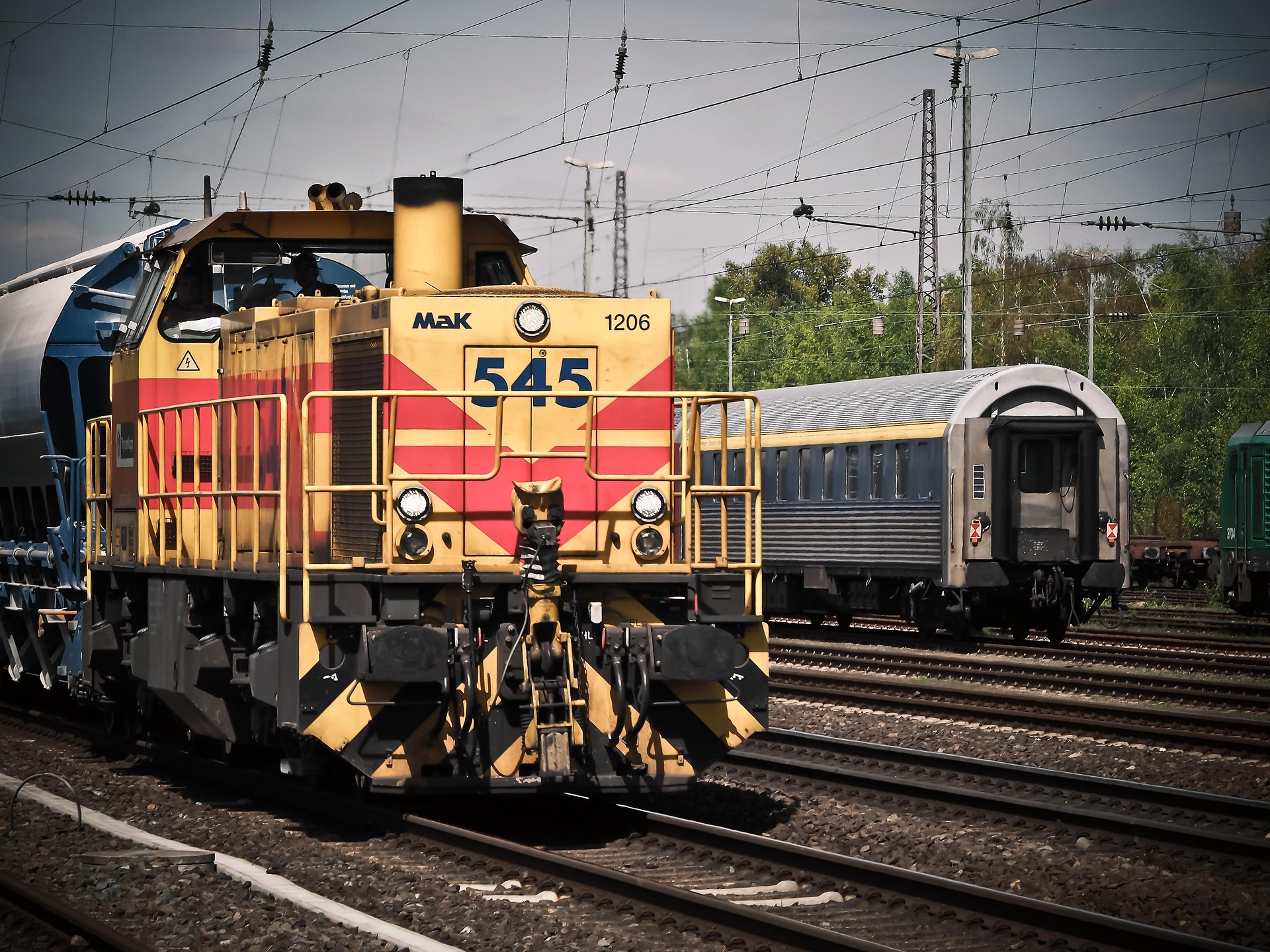
In a significant step towards decarbonizing the rail freight sector, DB Cargo UK has switched to using hydro-treated vegetable oil (HVO) for all trains servicing Drax Power Station. This shift to a cleaner, 100% renewable fuel aligns with Drax Group’s commitment to reducing its carbon footprint and contributing to the UK’s renewable energy targets. 

The Power of Sustainable Rail Freight 

Drax Power Station, the UK’s largest renewable energy plant, relies heavily on rail freight to transport approximately 4.5 million metric tons of biomass pellets annually. These pellets are a key component in producing the renewable electricity that powers around 2.3 million homes. DB Cargo operates around 60 trains per week to deliver this biomass, and by switching from traditional red diesel to HVO, the company is set to reduce its rail freight carbon emissions by up to 90%. 

This reduction translates to over 12,000 tonnes of carbon saved each year—the equivalent of 30 million miles worth of car journeys. By making this change, DB Cargo is not only enhancing the sustainability of Drax’s supply chain but also contributing to the broader rail industry’s net-zero ambitions. 

What is HVO? 

HVO, marketed as one of the world’s purest and greenest fuels, is produced through the hydro-treatment of waste vegetable oils or animal fats. It offers significant reductions in harmful carbon dioxide (CO2) and nitrogen oxide (NOx) emissions compared to traditional diesel. HVO is derived entirely from waste products, ensuring that no virgin materials are used in its manufacture, making it a truly sustainable alternative for industries looking to reduce their environmental impact. 

A Strategic Move for the Future 

The switch to HVO aligns with the UK Government’s targets for the rail industry, which include achieving net-zero carbon emissions by 2050 and eliminating diesel-only trains by 2040. Roger Neary, Chief Sales Officer at DB Cargo UK, highlighted the significance of this transition: 

“The use of HVO in our trains will go a long way to helping us meet the Government’s challenge while also supporting Drax in meeting its own sustainability goals.” 

Neary also pointed out that until there is a broader commitment to electrifying the UK rail network, HVO remains the most viable solution for decarbonizing rail freight. The hope is that with the right policies and incentives in place, more companies will follow Drax’s lead in making the switch to HVO. 

The Bigger Picture: Decarbonizing the Supply Chain 

Drax’s Plant Director, Bruce Heppenstall, emphasized that rail freight is already a more sustainable method for transporting biomass compared to road transport. The use of HVO-powered trains further enhances this sustainability by preventing an estimated 192,000 heavy goods vehicle (HGV) journeys annually, significantly reducing road congestion and emissions. 

“We are proud that DB Cargo’s HVO-powered trains service Drax Power Station as we work toward decarbonizing our supply chains. Rail freight is a cleaner and greener option, and our partnership with DB Cargo plays a crucial role in helping us achieve our carbon-negative ambitions,” said Heppenstall. 

VURDHAAN’s Role in Supporting Sustainable Rail Initiatives 

At VURDHAAN, we are committed to driving sustainability in the transport and logistics sectors. Our expertise in areas such as green freight programs, alternative fuels like HVO, and fleet decarbonization allows us to guide organizations in making informed decisions that align with global sustainability goals. We understand the complexities of transitioning to cleaner fuels and provide tailored support to ensure seamless integration into existing operations. 

Looking Ahead: The Future of Green Freight 

The collaboration between DB Cargo and Drax exemplifies how industry partnerships can accelerate progress toward a more sustainable future. As the rail freight sector continues to innovate, initiatives like these set a powerful example of how cleaner, renewable fuels can be integrated into large-scale logistics operations. 

At VURDHAAN, we are excited to see more companies adopt sustainable practices and are ready to support the journey towards greener supply chains. The future of logistics lies in sustainable solutions, and with the right strategies in place, we can make significant strides in reducing carbon emissions and meeting global climate targets. 

Source