

CO2 to SAF: The Next Big Leap in Aviation Sustainability

In a groundbreaking move towards decarbonizing aviation, OXCCU, an Oxford University spinout, has unveiled its revolutionary demonstration plant at London Oxford Airport. The plant, known as OX1, utilizes a novel one-step process to convert CO2 into sustainable aviation fuel (SAF), potentially transforming the future of aviation. This innovative approach is a significant stride towards the industry’s ambitious goal of achieving net-zero emissions by 2050. 

At VURDHAAN, we actively support the aviation sector’s transition to sustainability, offering tailored solutions in line with initiatives like CORSIA, Sustainable Aviation Fuels (SAF), and ReFuelEU Aviation. As the aviation industry accounts for 2.5% of global CO2 emissions, it is critical that companies adopt cutting-edge technologies, such as SAF, to reduce their environmental impact while maintaining operational efficiency. 

The Power of CO2 Conversion 

What sets OXCCU’s process apart from traditional SAF production is its efficiency. While SAF has primarily been developed using biomass-based feedstocks, such as cooking oils, OXCCU has found a way to produce jet fuel from CO2 and hydrogen through a single-step catalytic process. Unlike conventional methods that require multiple stages to convert CO2 and hydrogen into fuel, this process skips the intermediate syngas step, making it more cost-effective and scalable. The plant, currently in the research and development phase, is expected to yield about 1.2 liters of fuel per day. 

This development aligns with global efforts to scale up SAF production. According to the International Air Transport Association (IATA), SAF is expected to meet 0.53% of aviation fuel needs this year, but innovations like OXCCU’s could drastically increase this percentage in the coming years. 

The Future of Sustainable Aviation Fuel 

OXCCU’s ultimate goal is to scale up production, with plans to build larger facilities that could eventually produce up to 10,000 liters of SAF per day by 2028. This scale-up will be crucial in meeting the future SAF blending mandates set by governments, including the UK’s target of blending 3.5% PtL (Power-to-Liquids) fuels into aviation fuel by 2040. 

For the aviation sector to fully embrace SAF, the fuel must meet stringent international standards, such as the American Society for Testing and Materials (ASTM) D1655. OXCCU is actively working towards qualifying its SAF through the Fischer-Tropsch (FT) pathway, ensuring it can be safely blended with traditional fuels at regulated ratios. 

VURDHAAN’s Role in Advancing Aviation Sustainability 

As a leader in sustainability consultancy, VURDHAAN is well-positioned to assist aviation companies in integrating SAF into their operations. We specialize in helping organizations navigate the complexities of SAF certifications, compliance with initiatives like CORSIA, and meeting emission reduction targets through strategies that prioritize both environmental impact and cost-efficiency. 

With OXCCU’s advancements and our comprehensive sustainability services, the future of aviation looks increasingly greener. Together, we can help the industry soar toward a more sustainable future—one flight at a time.

Source 

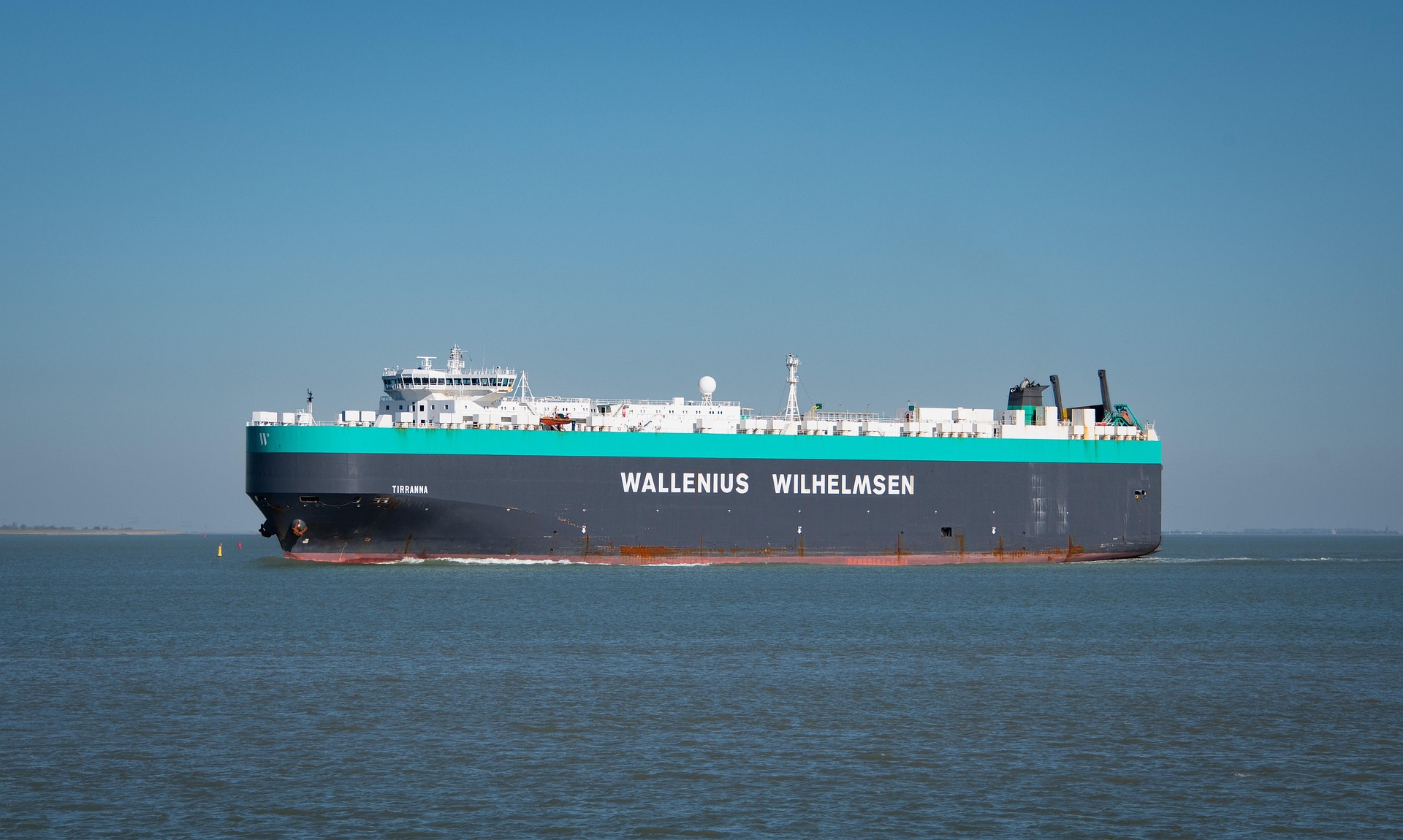
Navigating the Complexities of Maritime EU ETS and FuelEU: A Practical Guide 

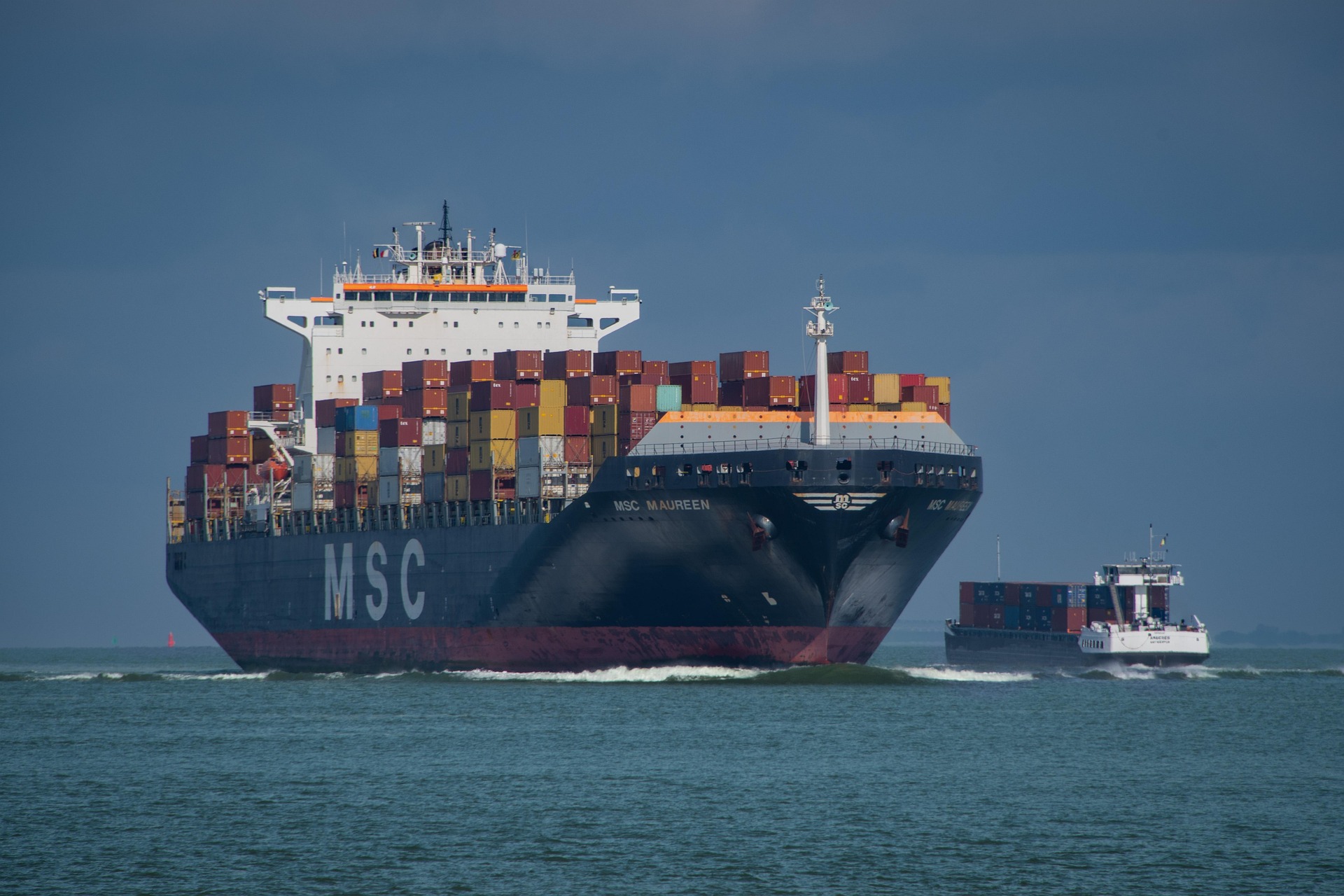
Since January 1, 2024, shipping companies have been under the expanded European Emissions Trading Scheme (EU ETS), marking a significant step in the European Union’s efforts to reduce emissions across industries. For the maritime sector, the compliance journey has begun, with companies now tasked to monitor their emissions, manage trading accounts, and implement more efficient strategies for fuel use and route planning. With the first major reporting deadline looming in March 2025, it’s crucial that shipping companies understand their obligations under both the EU ETS and the FuelEU Maritime Regulation (FEMREG). 

At VURDHAAN, we recognize the importance of staying ahead of these complex regulatory requirements. Our expertise in maritime sustainability, especially in areas such as EU MRV, MARPOL, and the Clean Shipping Index, allows us to offer tailored solutions to help your business navigate these changes smoothly. As a sustainability consultancy, we are already actively supporting maritime organizations in achieving compliance while maintaining operational efficiency. 

Key Deadlines and Requirements 

The first compliance deadline for EU ETS is set for September 30, 2025, when shipping companies are required to surrender their allowances. Despite the significant timeframe, challenges have already arisen. For example, only 940 Maritime Operator Holding Accounts (MOHAs) have been opened, due to delays and difficulties within member state registries. The complexity of the maritime sector and the partial implementation of the EU ETS Directive (2023/959) further complicates this process. 

Similarly, the FuelEU Maritime Regulation (FEMREG) presents its own unique challenges. Shipping companies were required to submit their FuelEU Monitoring Plans by August 31, 2024. Although the European Commission has provided a template to assist with submissions, many industry players are still seeking detailed guidance on the scope and mechanics of these regulations. 

At VURDHAAN, we are well-versed in the nuances of the FuelEU Maritime Regulation and have been working alongside shipping companies to ensure timely compliance. Our specialized services include helping companies prepare robust monitoring plans and integrating sustainable fuel options like BioMethane and BioLNG into their operations. 

Understanding Exemptions and Compliance Strategies 

The available exemptions under EU ETS and FEMREG are not straightforward. They are divided into categories related to vessel size, voyage type, and maritime activity, each with its own intricacies. For instance, exemptions related to “small islands” or “Outermost Regions” can be difficult to interpret. 

To assist the industry, tools like compliance checklists and exemptions tables are being developed. These resources, which highlight critical compliance deadlines and exemptions, allow companies to create more effective and tailored sustainability strategies. VURDHAAN also offers comprehensive support through our three-step methodology: Support, Educate, and Implement. We help organizations assess their eligibility for exemptions, develop compliance plans, and optimize their ESG ratings. 

Positive Steps Towards Maritime Sustainability 

Despite the regulatory complexities, these changes mark a positive shift towards decarbonizing the maritime sector. By adopting more efficient fuel and route strategies and embracing sustainable technologies, the industry can significantly reduce its environmental footprint. 

At VURDHAAN, we are committed to helping maritime organizations turn compliance into a competitive advantage. Through our sustainability services, we provide the tools and expertise to not only meet regulatory requirements but also to thrive in a greener, more sustainable future. 

Source

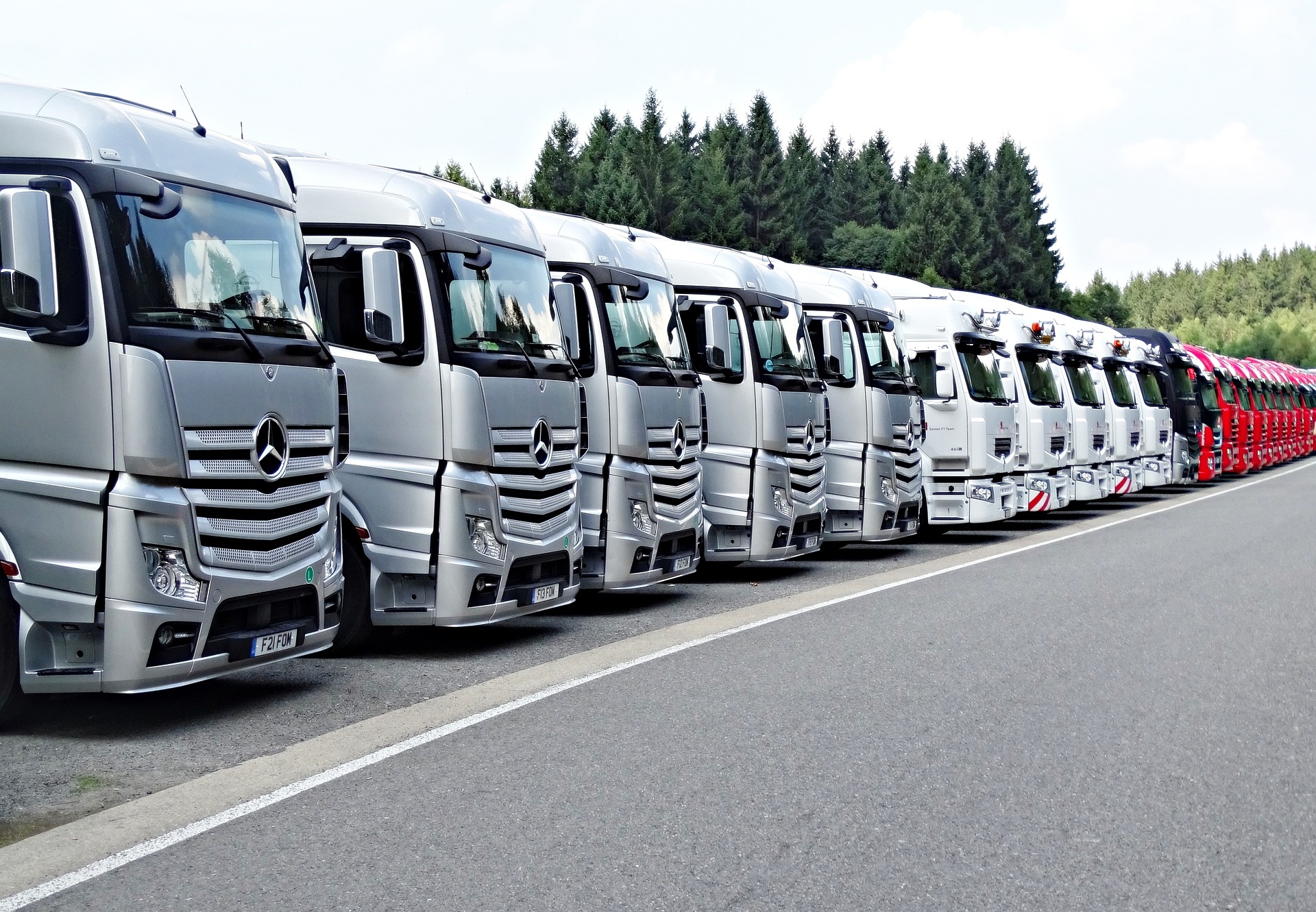
A Comprehensive Guide to Fleet Electrification: Driving Savings and Sustainability 

The shift towards electrifying commercial road fleets is gaining momentum, and a newly launched resource provides invaluable step-by-step guidance for fleet managers. Developed by the REA’s Association for Renewable Energy and Clean Technology and the Energy Saving Trust, this guide titled “Electrifying the Fleet: A Practical Resource for Fleet Managers” offers insights into building a business case for electrification, overcoming current barriers, and maximizing the cost-efficiency of electric vehicles (EVs). 

As fleet electrification becomes an essential component of sustainability strategies, this guide shows how fleet operators can achieve both cost savings and significant reductions in greenhouse gas emissions, paving the way for a cleaner and more efficient future in road transport. 

Why Fleet Electrification Makes Sense 

Fleet electrification is not just an environmental responsibility—it’s an economic opportunity. According to the guide, fleet managers can save around £1,500 annually per light commercial vehicle (LCV) driving 15,000 miles a year when charged at a depot or home. Similarly, rigid HGVs can achieve annual savings of around £3,500 when driving the same distance. These savings are due to the fact that EVs require only 25-30% of the energy that diesel vehicles need to deliver the same performance, demonstrating the efficiency gains from switching to electric. 

As the UK and EU push towards decarbonization targets, fleet electrification also offers significant long-term benefits. Beyond reducing costs, electrified fleets help companies meet their ESG targets, lower Scope 1 emissions, and improve air quality—enhancing the social and environmental impact of businesses. 

Depot Electrification: A Phased Approach for Success 

For fleet managers, electrifying a depot is often the first step in transitioning to EVs. The guide advises adopting a phased transition—starting with an analysis of fleet routes and operations to determine which vehicles can be transitioned to electric first. This approach allows for controlled deployment, ensuring minimal disruption to operations while achieving maximum efficiency. 

The guide highlights the importance of future-proofing charging infrastructure by defining charging needs, considering local energy grid capacities, and implementing smart charging solutions. Smart charging reduces costs by scheduling charging during off-peak hours and improves energy management by reducing the need for costly grid upgrades. 

VURDHAAN, as an expert in fleet electrification and sustainable road transport solutions, helps fleet operators strategize and implement this phased approach. Our tailored solutions ensure that businesses can integrate EVs seamlessly into their operations while optimizing energy use and lowering costs. 

Overcoming Barriers to EV Adoption 

One of the common misconceptions addressed in the guide is the challenge of grid connections. While fleet managers often cite concerns about the grid’s ability to support large-scale EV charging, the guide emphasizes that smart charging strategies—such as scheduled charging and demand-side response (DSR) services—can mitigate these issues. DSR allows fleets to participate in energy balancing markets by adjusting electricity use during peak demand periods, offering financial incentives while reducing strain on the grid. 

Another innovative solution suggested is depot sharing. With over 66,000 depots in the UK alone, enabling depots to share charging infrastructure could significantly reduce the need for public charging stations for HGVs. This collaborative approach can make fleet electrification more cost-effective and speed up the transition to electric vehicles. 

Building a Business Case for Fleet Electrification 

Building a robust business case for fleet electrification involves understanding the broader business goals—especially those related to Environmental, Social, and Governance (ESG) targets. Since EVs generate no Scope 1 emissions (direct emissions from owned vehicles), their adoption can have a substantial impact on a company’s sustainability performance. Fleet managers can further reduce Scope 2 emissions (indirect emissions from purchased electricity) by selecting renewable energy tariffs for overnight charging. 

In addition, the guide advises that fleet managers calculate potential savings from smart charging, which schedules EV charging during times of low electricity demand and lower rates. This not only reduces energy costs but also minimizes the need for expensive infrastructure upgrades. 

VURDHAAN is well-positioned to assist companies in building comprehensive business cases for fleet electrification. We support organizations by providing detailed analysis of their operational needs, developing strategies to meet ESG targets, and ensuring smooth integration of renewable energy and low-carbon fuels like HVO and bioLNG

Case Studies: Real-World Successes in Fleet Electrification 

The resource showcases several case studies of successful fleet electrification, including Drax’s deployment of EV charging infrastructure for SES Water, which is saving an estimated 43 tonnes of CO2 annually. Mer, another REA member, has also made significant strides by installing 200 EV chargers for IKEA to support the retailer’s commitment to sustainable deliveries. These examples highlight the significant environmental and financial benefits of fleet electrification for businesses across sectors. 

VURDHAAN: Supporting the Transition to Electric Fleets 

At VURDHAAN, we are dedicated to helping fleet operators make informed, strategic decisions on electrification. Our deep expertise in fleet management, energy solutions, and regulatory compliance enables us to guide businesses through every stage of their electrification journey—from building a business case to implementing charging infrastructure and integrating smart charging solutions. 

By working closely with clients, we ensure that fleet electrification efforts are not only compliant with evolving regulations but also optimized for efficiency, cost savings, and sustainability. Our approach—Support, Educate, and Implement—gives fleet managers the confidence to adopt EVs in a way that enhances both operational performance and environmental responsibility. 

As we continue to see growing demand for electric fleets, VURDHAAN is ready to lead the charge in transforming road transport and helping businesses achieve their sustainability goals. 

Source 

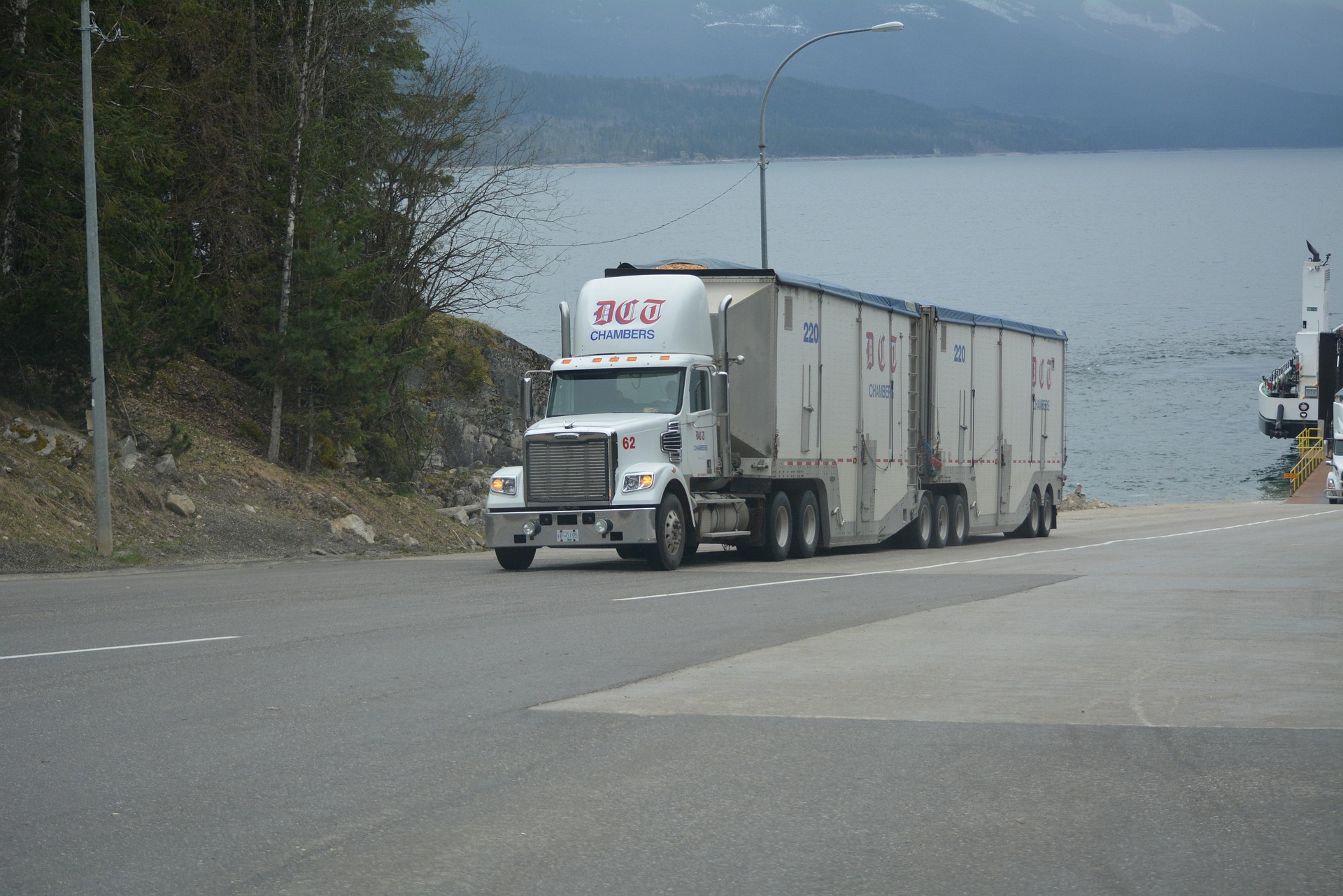
Eurowag Leads the Charge in Electrifying Commercial Road Fleets with New eMobility Service 

As the world shifts towards more sustainable transport solutions, Eurowag has stepped up to lead the electrification of commercial road fleets with its innovative eMobility Service Provider (eMSP) platform. Designed exclusively for the Commercial Road Transport (CRT) sector, Eurowag’s new offering provides seamless access to EV charging infrastructure across Europe, marking a significant milestone in reducing emissions and fostering sustainability in road transport. 

Eurowag’s eMobility Service for CRT: A Game Changer 

Eurowag’s latest venture into eMobility is aimed specifically at addressing the needs of electrified commercial fleets. Whether managing light commercial vehicles or heavy-duty trucks, businesses can now access an expansive network of Charge Point Operators (CPOs) throughout Europe, making it easier for fleet managers to incorporate electric vehicles (EVs) into their operations. 

The Eurowag EV app, equipped with GPS navigation, helps drivers locate convenient charging stations and choose between slow and fast charging options. Soon, it will even provide real-time availability checks, ensuring that drivers have the most up-to-date information to efficiently plan their charging stops. 

By making EV charging simple, transparent, and widely accessible, Eurowag is setting the stage for a more sustainable future in commercial road transport. The app’s added feature of electricity price comparisons will also enable fleet managers to better control costs and improve operational efficiency. 

Seamless Charging and Payment Integration 

To further streamline the charging process, Eurowag has integrated its fuel card with an RFID chip that enables seamless payment at EV charging stations. This solution ensures that charging electric vehicles is just as easy as refuelling with conventional fuels. Through this innovative approach, Eurowag delivers a comprehensive, end-to-end ecosystem tailored to the unique needs of the CRT sector, fully integrating charging services into its existing portfolio of fleet management, navigation, toll services, and more

This strategic partnership with Last Mile Solutions, Europe’s largest e-mobility platform, ensures that Eurowag customers have access to a broad network of reliable public charging stations. By focusing on CRT-specific needs, Eurowag is leading the charge in making commercial EV adoption a practical and cost-effective solution. 

Expanding Access to EV Charging Across Europe 

The introduction of Eurowag’s eMobility service comes at a pivotal time when the CRT sector is exploring pathways to reduce emissions and transition to cleaner fuels. With growing pressure from EU climate regulations and the global push for decarbonization, providing efficient and widespread access to EV charging is essential for the future of commercial transport. 

Eurowag’s Vice President of CRT Decarbonisation, Matthias Maedge, emphasizes the importance of electrification within the company’s broader decarbonization portfolio: “Electrification is a key pillar alongside low-carbon alternative fuels like HVO and bioLNG. Our new eMSP service is the first of its kind fully focused on commercial road transport, and customers can benefit from it immediately.” 

VURDHAAN’s Role in Supporting Road Fleet Electrification 

At VURDHAAN, we recognize the critical role of fleet electrification in the broader decarbonization agenda for the road transport industry. Our expertise in sustainability consulting for commercial road transport includes supporting fleet operators as they transition from conventional diesel to alternative fuels like HVO, bioLNG, and now EV solutions

Through our Support, Educate, and Implement approach, VURDHAAN works closely with fleet operators to ensure that they are ready to meet emerging EU climate regulations, take advantage of charging infrastructure like that provided by Eurowag, and implement cost-effective electrification strategies. We help businesses navigate the complexities of adopting EVs, from optimizing charging solutions to integrating EVs into existing fleets. 

The Future of Sustainable Transport 

As Eurowag continues to expand its eMobility services and introduce new features like spot reservation and network segmentation for CRT fleets, the future of commercial road transport is becoming increasingly electrified. Eurowag’s commitment to offering comprehensive, energy-agnostic solutions is helping shape a cleaner, more efficient transport industry across Europe. 

By leading the charge in electrification and continuously expanding its portfolio of sustainable services, Eurowag is positioning itself as a key player in the transition to green mobility. The company’s forward-thinking approach to fleet management ensures that CRT operators can reduce their environmental impact while maintaining efficiency and competitiveness. 

At VURDHAAN, we are proud to support this transition. By helping companies integrate low-carbon and zero-emission fuels into their operations, we ensure that they are not only compliant with regulatory requirements but also prepared to meet the growing demand for sustainable transport solutions. Together with innovators like Eurowag, we are driving the future of commercial road transport towards a more sustainable and efficient tomorrow. 

Source 

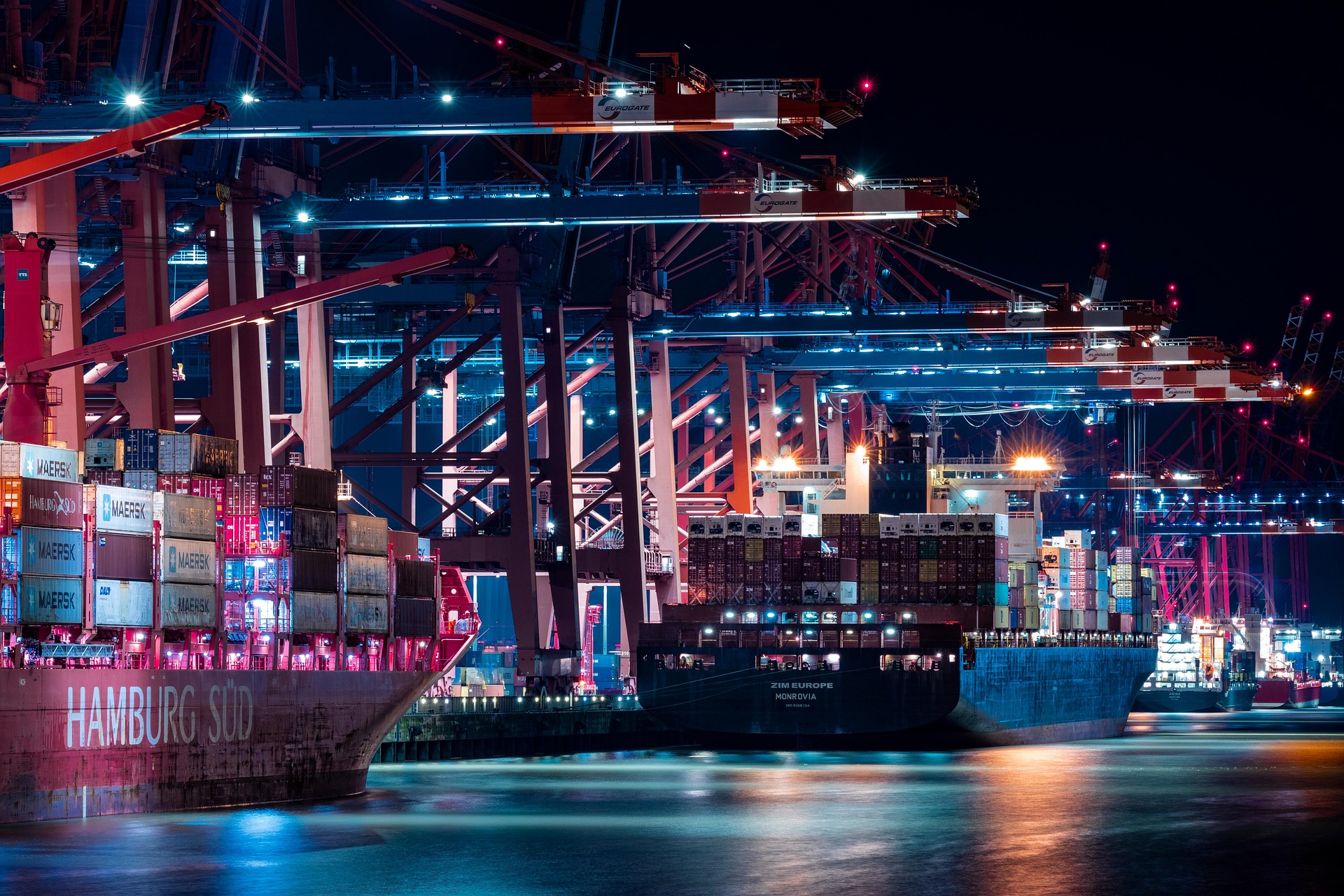
Hapag-Lloyd and Gasum Set the Stage for Green Shipping: Bio-LNG on the Rotterdam-Singapore Route 

Hapag-Lloyd and Gasum have joined forces to accelerate the green transition in shipping with a pioneering bio-LNG supply contract. Starting in 2025, Gasum will provide Hapag-Lloyd with 20,000 metric tons of bio-LNG to fuel its containerships on the busy Singapore-Rotterdam route. This agreement represents a significant milestone for both companies and is a key part of Hapag-Lloyd’s journey to achieve net-zero carbon emissions by 2045

The contract, which spans 2025 and 2026, is part of a larger effort driven by the Zero Emission Maritime Buyers Alliance (ZEMBA). This innovative project brings together major shippers, including companies like Amazon, Patagonia, and Nike, to create demand for green shipping solutions. Hapag-Lloyd, as the winner of ZEMBA’s first tender, will offer independently certified, waste-based biomethane services that reduce greenhouse gas emissions by at least 90% compared to traditional fossil fuel-powered shipping. 

Bio-LNG: The Future of Low-Carbon Shipping 

Bio-LNG (liquefied biomethane) is rapidly gaining popularity in the maritime sector due to its potential to reduce greenhouse gas emissions by up to 90%. Produced from renewable sources like biowaste, sewage sludge, and agricultural residues, bio-LNG offers a cleaner alternative to conventional marine fuels. It can be used in the same engines as natural gas, making it a practical solution for shipping companies aiming to decarbonize their operations without major retrofits or infrastructure changes. 

Gasum, a Nordic energy company, is at the forefront of this shift, operating 17 biogas plants in Finland and Sweden and working with partners to scale up production. Gasum’s goal of providing 7 TWh of renewable gas by 2027 will play a crucial role in the global effort to reduce maritime emissions. Their collaboration with Hapag-Lloyd showcases how shipping can evolve by using greener fuels now, rather than waiting for distant future technologies. 

A New Era of Green Shipping: Hapag-Lloyd’s Commitment 

This bio-LNG supply agreement marks one of the first large-scale commitments in the industry, underscoring Hapag-Lloyd’s role as a leader in sustainability. The route between Singapore and Rotterdam will serve as a “green corridor,” a vital step in decarbonizing long-distance maritime transport. The company’s partnership with Gasum, combined with ZEMBA’s guaranteed demand, will help drive down costs and encourage further investment in renewable fuels. 

With other major carriers like Maersk also exploring bio-LNG for their dual-fuel vessels, the momentum for cleaner marine fuels is building. While bio-LNG offers a near-term solution, concerns around the supply and cost of alternative fuels, such as methanol, are pushing companies to explore multiple fuel pathways. The shipping industry is embracing a diverse set of solutions to achieve the International Maritime Organization’s (IMO) goal of reducing carbon emissions by at least 50% by 2050. 

VURDHAAN: Guiding the Maritime Sector Toward a Sustainable Future 

At VURDHAAN, we applaud the collaboration between Hapag-Lloyd and Gasum as a crucial step toward a sustainable maritime future. Our expertise in helping maritime companies navigate the complex world of sustainability regulations and fuel transitions aligns perfectly with the goals of initiatives like ZEMBA and the adoption of bio-LNG

As a leading consultancy in maritime sustainability, VURDHAAN specializes in supporting efforts to reduce emissions through initiatives like FuelEU Maritime, EU MRV, and MARPOL compliance. We guide shipping companies through the challenges of adopting renewable fuels and energy-efficient technologies, offering tailored strategies to help them meet regulatory requirements and achieve their long-term sustainability goals. 

With the maritime sector undergoing rapid change, our role at VURDHAAN is to Support, Educate, and Implement. We provide comprehensive support to ship operators, educating them on new fuels and regulations while implementing effective, actionable sustainability plans. By partnering with us, maritime operators can ensure they are not only compliant with evolving regulations but also well-positioned to benefit from the opportunities created by the green transition. 

The Impact of Bio-LNG on Global Shipping 

The use of bio-LNG in shipping has far-reaching implications for the industry’s carbon footprint. By adopting bio-LNG, shipping companies can significantly reduce their well-to-wake emissions—the full lifecycle emissions from fuel production to combustion. This holistic approach to measuring emissions aligns with the broader goals of the Fit for 55 initiative and the European Union’s climate targets. 

The introduction of bio-LNG on the Rotterdam-Singapore route sets a precedent for future green corridors, where ships can operate on renewable fuels across longer distances. The backing of major shippers through ZEMBA ensures that there is both demand and volume to make these transitions financially viable for shipping companies. 

Moreover, Gasum’s bio-LNG production process offers additional environmental benefits, as the residual materials from biogas production can be repurposed for use in agriculture and industry, creating a circular economy model that maximizes resource efficiency. 

Looking Ahead: A Greener Future for Shipping 

As the shipping industry moves toward decarbonization, partnerships like the one between Hapag-Lloyd and Gasum will become increasingly critical. The supply of bio-LNG not only addresses immediate emission reduction goals but also sets the stage for the broader adoption of renewable fuels across the sector. 

At VURDHAAN, we remain committed to helping the maritime sector meet these challenges head-on. Our in-depth knowledge of sustainable fuels and regulatory frameworks positions us as a valuable partner for shipping companies looking to navigate this complex transition. Together, we can achieve the industry’s ambitious climate goals and contribute to a cleaner, more sustainable future for global trade. 

Source 

FuelEU Maritime Regulation: Paving the Way for a Greener Future in Shipping

The maritime industry is taking another step toward sustainability with the introduction of the FuelEU Maritime Regulation. As part of the European Union’s ambitious “Fit for 55” initiative, this regulation aims to significantly reduce greenhouse gas (GHG) emissions and accelerate the adoption of renewable fuels in shipping. With climate neutrality as its ultimate goal by 2050 and a 55% reduction in GHG emissions by 2030, the FuelEU Maritime is set to be a game changer for global maritime operations.

Key Milestones in FuelEU Maritime Regulation

Scheduled to come into full effect by January 1, 2025, the FuelEU Maritime will require all ships over 5,000 gross tonnage, whether EU or non-EU flagged, to comply with stringent GHG emission standards. This regulation primarily focuses on reducing the carbon intensity of the energy used on board ships by encouraging the use of zero- and low-carbon fuels. Importantly, it provides flexibility through a technology-neutral approach, allowing maritime operators to choose from a range of compliant fuels, including Renewable Fuels of Non-Biological Origin (RFNBOs) and other alternatives that offer significant GHG savings.

A crucial requirement begins even earlier, on August 31, 2024, when companies must submit a monitoring plan for each ship, outlining their strategy for tracking fuel use and emissions. This proactive step will enable shipping companies to prepare for the regulation’s more comprehensive demands from 2025 onwards.

Incentivizing the Shift to Renewable Fuels

FuelEU Maritime establishes a reduction framework that gradually increases the GHG reduction targets, starting with a 2% reduction in 2025 and culminating in an 80% reduction by 2050. To help meet these targets, the regulation offers incentives for the use of RFNBOs, which have the potential to introduce renewable energy into the fuel mix and achieve substantial emissions savings. Shipping companies using RFNBOs can benefit from a multiplier effect, allowing their emissions savings to count double until 2033. This is designed to encourage early adoption and smooth the transition toward more sustainable fuels.

The regulation also prohibits the use of fuels based on food and feed crops, ensuring that the shift to greener fuels does not come at the expense of food security or biodiversity. By aligning with the EU Renewable Energy Directive (RED), FuelEU Maritime establishes robust criteria for fuel certification, ensuring transparency and accountability across the supply chain.

VURDHAAN’s Role in Supporting Maritime Sustainability

At VURDHAAN, we understand the complexities that come with adopting new sustainability regulations, particularly in sectors as global and dynamic as maritime. With extensive experience in regulatory frameworks like EU MRV, MARPOL, and now FuelEU Maritime, we are positioned to guide maritime companies through these transitions seamlessly.

Our three-step methodology—Support, Educate, and Implement—ensures that ship operators are not only compliant but also optimized for sustainability. We work closely with companies to develop robust monitoring plans, implement fuel transition strategies, and take advantage of incentives like the RFNBO multiplier to meet GHG reduction targets. By partnering with VURDHAAN, maritime operators can navigate the evolving regulatory landscape with confidence and agility.

Promoting Innovation and Compliance

FuelEU Maritime’s focus on well-to-wake emissions underscores the EU’s commitment to measuring the full impact of fuel use, from production to combustion. This comprehensive approach to calculating emissions will play a crucial role in driving innovation across the shipping industry. By promoting transparency and rewarding the use of renewable fuels, the regulation will incentivize the development of cleaner technologies and alternative energy sources.

From 2025, maritime companies will report their energy use and emissions through the THETIS-MRV platform, managed by the European Maritime Safety Agency (EMSA). This system, already used for the EU Emission Trading System (ETS), will serve as a one-stop shop for emissions data, simplifying compliance for shipowners and operators. For companies with multiple vessels, the regulation also offers a pooling mechanism, allowing ships with better compliance performance to offset those with higher emissions. This flexibility encourages collaboration within fleets and fosters a more strategic approach to sustainability.

The Road Ahead for Global Shipping

FuelEU Maritime is just one of many tools the EU is leveraging to meet its climate goals, but its impact on the maritime industry will be profound. As the regulation takes effect, it will accelerate the industry’s transition to cleaner fuels and pave the way for other regions to adopt similar measures.

Shipping companies must prepare for these changes by ensuring they are compliant with monitoring requirements by August 2024 and ready to implement fuel transitions by 2025. The path to compliance may present challenges, particularly as the cost of renewable fuels remains higher than traditional options, but the long-term benefits—reduced emissions, improved competitiveness, and alignment with global climate goals—make the investment worthwhile.

VURDHAAN: Your Partner in Sustainable Maritime Operations

As the shipping industry gears up for the implementation of FuelEU Maritime, VURDHAAN is ready to support maritime operators in every step of this journey. From developing detailed compliance strategies to identifying cost-effective fuel solutions, we are committed to helping our partners achieve both regulatory compliance and environmental excellence.

With our deep knowledge of maritime regulations and sustainable fuel technologies, we provide the insights and tools needed to make the transition to low-carbon shipping smooth and successful. Together, we can contribute to the global effort to decarbonize shipping and create a greener, more sustainable future for the maritime sector.

Source

Korea’s Bold Step Toward Sustainable Aviation: SAF Mandate for International Flights by 2027 

South Korea is taking a significant leap in its pursuit of carbon neutrality in aviation. The recent announcement that all international flights departing from Korea will be required to use Sustainable Aviation Fuel (SAF) by 2027 signals the nation’s commitment to reducing carbon emissions and aligning with global sustainability goals. This move, spearheaded by the Ministry of Trade, Industry, and Energy, along with the Ministry of Land, Infrastructure, and Transport, sets Korea on the path toward greener aviation. 

Celebrating the Launch of SAF at Incheon International Airport 

The first commercial use of SAF in Korea was celebrated with a landmark event at Incheon International Airport, attended by industry leaders, including the President of SK Energy and the Minister of Trade, Industry, and Energy. This milestone saw the use of SAF on a Korean Air flight from Incheon to Haneda, marking Korea’s official entry into the global SAF market. With this, Korea becomes the 20th country worldwide to supply ICAO-certified SAF, further solidifying its position in the global push for sustainable aviation. 

The introduction of a 1% SAF blend for all international flights departing from Korea by 2027 will coincide with the implementation of the International Civil Aviation Organization’s (ICAO) Carbon Offsetting and Reduction Scheme for International Aviation (CORSIA), demonstrating the country’s commitment to global standards. 

The Power of SAF in Reducing Carbon Emissions 

Sustainable Aviation Fuel, produced from renewable sources such as biomass or captured carbon, is a game changer for the aviation industry. Chemically similar to conventional jet fuel, SAF significantly reduces the carbon footprint of air travel, with the potential to lower emissions by up to 80%. This is crucial for an industry that accounts for a substantial portion of global greenhouse gas emissions. 

According to Korea’s Transport Ministry, a 1% SAF blend could cut the country’s annual aviation carbon emissions by approximately 160,000 tons—equivalent to removing 53,000 passenger cars from the road. The introduction of SAF on short-haul routes, such as those flown by Asiana Airlines and T’way Air, signals a promising start to this long-term sustainability plan. 

VURDHAAN’s Role in Promoting SAF and Sustainable Aviation 

At VURDHAAN, we are proud to support the global transition to Sustainable Aviation Fuel. As experts in sustainability consulting for the aviation sector, we work closely with airlines, regulatory bodies, and energy producers to facilitate the adoption of SAF. Our comprehensive approach, centered on Support, Educate, and Implement, ensures that our clients can navigate regulatory requirements and achieve their sustainability goals effectively. 

Our work with initiatives such as CORSIA, the EU Emissions Trading System (ETS), and other global frameworks positions us as a key partner for airlines and governments striving to meet ambitious environmental targets. By providing strategic guidance and helping stakeholders integrate SAF into their operations, VURDHAAN is actively contributing to a greener future for aviation. 

Addressing Challenges and Supporting Growth in SAF Production 

While SAF offers tremendous environmental benefits, it currently costs two to three times more than conventional jet fuel. This price gap poses a challenge for airlines and governments alike, as they work to balance sustainability goals with economic realities. To address this, the South Korean government is exploring support measures to expand domestic SAF production and mitigate the impact on airfares. 

Investing in local SAF production will be key to lowering costs and increasing availability, ensuring that Korea can meet its ambitious 2027 targets. By fostering public-private partnerships and encouraging innovation, South Korea can build a strong, sustainable aviation fuel ecosystem that benefits both the environment and the economy. 

A Model for Global Aviation 

South Korea’s SAF mandate positions the country as a leader in sustainable aviation within the Asia-Pacific region. As other nations, including members of the European Union, move toward similar policies—such as the EU’s requirement that 2% of aviation fuel be SAF by 2025—Korea’s commitment sets a powerful example for the rest of the world. 

The introduction of SAF on routes flown by major carriers like Korean Air, Asiana Airlines, and T’way Air is just the beginning. With continued investment, collaboration, and innovation, the future of aviation will be cleaner, more sustainable, and aligned with global carbon reduction efforts. 

VURDHAAN’s Commitment to a Sustainable Future 

As South Korea embarks on this bold journey toward sustainable aviation, VURDHAAN remains committed to supporting the industry’s transition. Our expertise in SAF and aviation sustainability positions us as a leader in helping airlines, airports, and regulatory bodies meet their carbon reduction targets. Through tailored sustainability strategies and cutting-edge solutions, we help clients not only comply with regulations but also thrive in an increasingly eco-conscious world. 

The road to carbon neutrality in aviation is challenging, but with the right partners, progress is within reach. Together, we can achieve a cleaner, greener future for aviation and the planet. 
 
Source 

Navigating the Future of Sustainable Aviation: Insights from Lufthansa and IATA’s SAF Challenges 

The aviation industry is at a critical crossroads, where sustainability goals intersect with resource limitations and regulatory hurdles. Recent developments highlight the dual challenge of increasing Sustainable Aviation Fuel (SAF) production while navigating the high costs and regulatory inconsistencies that hinder progress. Lufthansa’s recent critique of the EU’s climate package and the optimistic outlook from the International Air Transport Association (IATA) offer a glimpse into the complexities of achieving sustainable aviation. 

IATA’s Optimistic Outlook on SAF Production 

Despite the hurdles, IATA is bullish on the future of SAF. The association predicts exponential growth, with SAF production expected to reach 1.5 million tonnes in 2024—triple the volume from the previous year. By 2030, this number is anticipated to soar to 51 million tonnes annually, a necessary increase if the aviation industry is to meet its climate goals. 

This forecast is promising, as SAF plays a pivotal role in reducing aviation’s carbon footprint. However, the reality of high SAF costs remains a significant challenge. According to Lufthansa’s policy chief, Kay Lindemann, SAF is currently priced at two to five times more than traditional kerosene. This discrepancy is largely due to limited supply, a critical issue as the EU-wide SAF blending quotas come into effect in January 2025. 

Lufthansa, which has been an early adopter of SAF in its operations, is now facing the practical implications of these regulations. The airline will be required to meet a 2% SAF quota by 2025, with the target rising to 70% by 2050. While these ambitious targets are essential for long-term sustainability, they present significant cost and supply challenges in the short term. 

VURDHAAN: Supporting the Aviation Sector’s Transition to SAF 

At VURDHAAN, we are keenly aware of the challenges faced by the aviation industry in transitioning to SAF. As specialists in supporting sustainable aviation initiatives, including the implementation of SAF and compliance with global frameworks like CORSIA and the EU Emissions Trading System (ETS), we work closely with airlines and regulators to navigate these complexities. Our role involves providing strategic support, educating stakeholders on evolving regulations, and helping implement tailored sustainability strategies that align with both environmental and business goals. 

Through our three-step methodology—Support, Educate, Implement—VURDHAAN offers a comprehensive approach to help airlines and aviation authorities tackle the SAF challenge. Whether it’s achieving compliance with SAF quotas, optimizing carbon offset strategies, or managing the financial and operational impacts of new regulations, we are committed to guiding our partners towards a more sustainable future. 

Regulatory Criticism and the Call for Coherent Policies 

Lufthansa’s concerns about the EU’s SAF and power-to-liquid (PtL) regulations reflect a broader issue within the industry. Lindemann has called out the lack of a robust industrial policy in Europe, which he believes hinders the ability to meet ambitious climate targets. Specifically, Lufthansa is critical of the lack of production facilities for PtL fuels, which are expected to play a key role in reducing aviation emissions in the coming decades. 

Starting in 2030, PtL is expected to make up 1.2% of the aviation fuel mix, eventually rising to 35% by 2050. However, without sufficient production infrastructure, these goals seem unattainable. Lufthansa is advocating for a comprehensive import strategy to bridge the gap between supply and demand for PtL, warning that failure to address this could lead to penalties for airlines, escalating costs for consumers, and a potential loss of competitiveness for the German aviation industry. 

The Path Forward: Balancing Environmental Goals with Practical Implementation 

The aviation sector’s transition to SAF and PtL is crucial to global sustainability efforts, but the challenges are undeniable. High production costs, regulatory inconsistencies, and insufficient supply chains all stand in the way of the industry’s ability to meet its climate commitments. 

The regulations set by the EU and other global organizations, while well-intentioned, must be balanced with the practical realities of fuel availability and economic viability. Lufthansa’s call for policy adjustments and a coherent import strategy underscores the need for collaboration between industry and government to ensure a smooth transition. 

However, despite these challenges, the overall outlook for SAF remains positive. As production ramps up and new technologies emerge, the cost of SAF is expected to decrease, making it more accessible for airlines across the globe. Furthermore, investments in SAF infrastructure and stronger political support will be key to accelerating the adoption of sustainable fuels. 

VURDHAAN’s Commitment to a Sustainable Aviation Future 

At VURDHAAN, we are dedicated to helping the aviation industry navigate this evolving landscape. As part of our sustainability consulting services, we offer tailored solutions to address the challenges of SAF and PtL adoption, ensuring that airlines can meet regulatory requirements while maintaining competitiveness. 

Our expertise in SAF, carbon offsetting, and sustainable aviation practices positions us as a key partner for airlines and regulators looking to meet the demands of a rapidly changing industry. As we continue to support the global aviation sector in its pursuit of sustainability, we remain committed to driving innovation, fostering collaboration, and delivering measurable results. 

Source 

South Korea’s SAF Initiative: A Step Towards Greener Skies and Global Aviation Leadership 

South Korea’s bold move to introduce Sustainable Aviation Fuel (SAF) by 2027 for international flights marks a crucial step in its commitment to reduce carbon emissions and achieve carbon neutrality by 2050. The initiative, driven by the Ministry of Land, Infrastructure, and Transport (MOLIT), aligns with international efforts to promote eco-friendly travel and sustainability in aviation. It is a strong indication that the country is positioning itself as a leader in sustainable aviation within the Asia-Pacific region. 

Why SAF Matters for the Future of Aviation 

Sustainable Aviation Fuel, derived from renewable sources such as biomass and waste oils, can significantly lower carbon emissions compared to conventional jet fuel. By transitioning to SAF, South Korea is not only addressing its dependency on fossil fuels but also contributing to the global efforts championed by organizations like the International Civil Aviation Organization (ICAO) and the International Air Transport Association (IATA). These global bodies have long advocated for the adoption of SAF as a vital part of the aviation industry’s carbon offsetting and reduction schemes. 

With SAF capable of reducing the aviation sector’s carbon footprint, South Korea’s initiative represents a future where eco-friendly air travel becomes the norm, not the exception. The government is also fostering local research and development, working to establish a robust supply chain that will meet the needs of airlines operating from the country. 

VURDHAAN’s Role in Supporting Sustainable Aviation 

As a consultancy deeply rooted in promoting sustainability across aviation, maritime, and other sectors, VURDHAAN applauds South Korea’s forward-thinking approach to decarbonize aviation. We have been actively involved in initiatives like CORSIA (Carbon Offsetting and Reduction Scheme for International Aviation) and Sustainable Aviation Fuels (SAF) strategies, working with airlines, airports, and regulators to enhance sustainability practices globally. 

Our three-step methodology—Support, Educate, and Implement—ensures that we guide clients through this complex transition by helping them achieve regulatory compliance, offering tailored training, and implementing strategies that align with evolving global standards. With SAF playing an ever-growing role in aviation’s future, VURDHAAN is ready to support stakeholders in navigating these changes and fostering a greener future for the industry. 

Collaboration and Impact on Global Aviation 

South Korea’s SAF initiative isn’t an isolated endeavor—it mirrors global efforts, especially in Europe and North America, where similar policies are already in place or being developed. The partnership between the South Korean government, energy companies, and key stakeholders ensures that the aviation industry is equipped to adopt SAF smoothly by the 2027 target date. 

For airlines, this transition may come with short-term cost increases, but the long-term benefits—reduced emissions, better sustainability, and improved international competitiveness—make it a worthwhile investment. The South Korean government has committed to providing subsidies and other incentives to ease the adoption of SAF, reinforcing the country’s position as a regional and global leader in sustainable aviation. 

The Future of Sustainable Aviation in South Korea 

By 2027, South Korea aims to establish a fully integrated SAF supply chain capable of supporting its aviation sector’s growing needs. This not only fulfills international sustainability obligations but also strengthens the country’s competitiveness in the global aviation market. 

South Korea’s leadership in introducing SAF to international flights is expected to serve as a model for other nations, accelerating the worldwide shift towards sustainable aviation. With the aviation industry being a significant contributor to greenhouse gas emissions, such efforts are crucial in the global battle against climate change. VURDHAAN is proud to be a key player in these efforts, supporting both regional and global aviation sectors as they navigate this transformative era. 

As South Korea gears up for this major transition, VURDHAAN remains committed to driving meaningful change in the aviation sector and beyond. Our expertise in SAF and sustainability solutions allows us to guide airlines and aviation authorities in successfully achieving carbon reduction goals, ensuring a cleaner, greener future for all. 

Source

India’s First Reusable Rocket Rhumi-1: A Giant Leap for Space Innovation 

In a remarkable achievement for India’s burgeoning space industry, Chennai-based startup SpaceZone India has successfully launched and returned the country’s first-ever reusable hybrid rocket, Rhumi-1. This historic event not only marks a significant milestone for SpaceZone but also signals a new era of cost-effective and sustainable space exploration in India. Despite facing challenges with retrieval due to ocean silt, the mission is a testament to India’s growing capabilities in space technology and innovation. 

The Rhumi-1 Mission: Pioneering Reusability in Space 

Rhumi-1’s journey began with a bold objective: to reach an altitude of 35 km, deploy 50 pico-satellites and three cube satellites into orbit, and return safely to Earth. The mission was a resounding success, with Rhumi-1 parachuting back into the ocean just 583 seconds after launch. The rocket landed 1.8 km off the coast, where retrieval efforts were temporarily delayed due to heavy green silt in the ocean. 

Anand Megalingam, Founder and CEO of SpaceZone India, shared that the rocket’s re-entry was captured on camera, and efforts are now underway to retrieve the rocket with the help of fishermen, scuba divers, and ocean experts. The coordinates of Rhumi-1 have been marked, and once retrieved, the rocket will be refurbished and prepared for its next mission. This successful recovery will further demonstrate the viability of reusable rocket technology in India. 

Revolutionizing Space Launches with Mobile Platforms 

Rhumi-1’s reusability is just one of the innovative aspects of SpaceZone’s mission. The rocket’s design allows it to return to Earth and be relaunched up to eight times, significantly reducing the cost of space exploration. This breakthrough is enhanced by SpaceZone’s mobile launchpad technology, which eliminates the need for large, stationary spaceports like Sriharikota. These mobile platforms can be transported to various locations, such as the deserts of Gujarat, enabling low-cost rocket launches that are accessible to educational institutions and private companies alike. 

Anand Megalingam highlighted the potential of these mobile launchpads, stating, “Our mobile launchpads can result in low-cost rocket launches, making space exploration more accessible to students and organizations interested in space technology.” This approach could democratize space exploration in India, opening up new opportunities for research, education, and commercial ventures. 

Looking Ahead: Rhumi-2 and Beyond 

Building on the success of Rhumi-1, SpaceZone India is already preparing for future missions. The next rocket, Rhumi-2, is set to launch in 2025, targeting an altitude of 250 km. The rocket has completed leak and pressure tests, and static fire tests are currently underway. Rhumi-2 will carry a payload from Dubai-based Edutech4Space, and SpaceZone has also signed an MOU with Grahaa Space for the launch of 100 nanosatellites. 

These upcoming missions highlight SpaceZone’s ambitious plans to further expand India’s presence in the global space industry. The company is also in the process of raising a Pre-Series-A funding round of ₹50 crore to support these initiatives. With a focus on providing launch services for weather, education, and gravity-test satellites, SpaceZone is poised to become a key player in the space technology sector. 

VURDHAAN’s Commitment to Space Sustainability 

At VURDHAAN, we are deeply committed to supporting sustainable and innovative advancements in the space sector. Our expertise in Space Sustainability Rating (SSR) and Space Debris Mitigation aligns with the pioneering work of startups like SpaceZone India. We provide guidance and strategic support to ensure that space missions are not only successful but also contribute to the long-term sustainability of space activities. By partnering with organizations like SpaceZone, we aim to promote responsible space exploration that benefits both India and the global community. 

Conclusion: 

The successful launch and return of Rhumi-1 marks a new chapter in India’s space exploration journey. SpaceZone India’s innovative approach to reusable rockets and mobile launchpads has the potential to revolutionize the industry, making space exploration more accessible and sustainable. As SpaceZone continues to push the boundaries of what is possible, VURDHAAN remains committed to supporting such groundbreaking initiatives, ensuring that India’s space missions are both innovative and sustainable. 
 
Source