

Belfast City Airport Takes Major Step Towards Sustainability with HVO Fuel

Belfast City Airport (BHD) has made a groundbreaking move by introducing Hydrotreated Vegetable Oil (HVO) fuel across 100% of its airside vehicles and equipment, marking a significant milestone in its sustainability journey. This transition will reduce the airport’s carbon vehicle emissions by up to 90% compared to traditional diesel, demonstrating its commitment to environmental stewardship and operational efficiency.

As part of a broader sustainability initiative, the airport has also upgraded its main apron lighting to energy-efficient LED systems, further reducing its carbon footprint. These steps are in line with Belfast City Airport’s long-term goal of achieving net-zero carbon emissions by 2050, with an ambition to reach this target even sooner.

What is HVO Fuel and Why is It a Game Changer?

Hydrotreated Vegetable Oil (HVO) is a renewable fuel made from waste products such as vegetable oil, animal fats, or other forms of biomass. Classified as a paraffinic diesel, HVO offers a cleaner, greener alternative to conventional diesel. Unlike fossil-based fuels, HVO significantly reduces greenhouse gas emissions, making it an ideal solution for industries like aviation, where heavy equipment and vehicles are integral to daily operations.

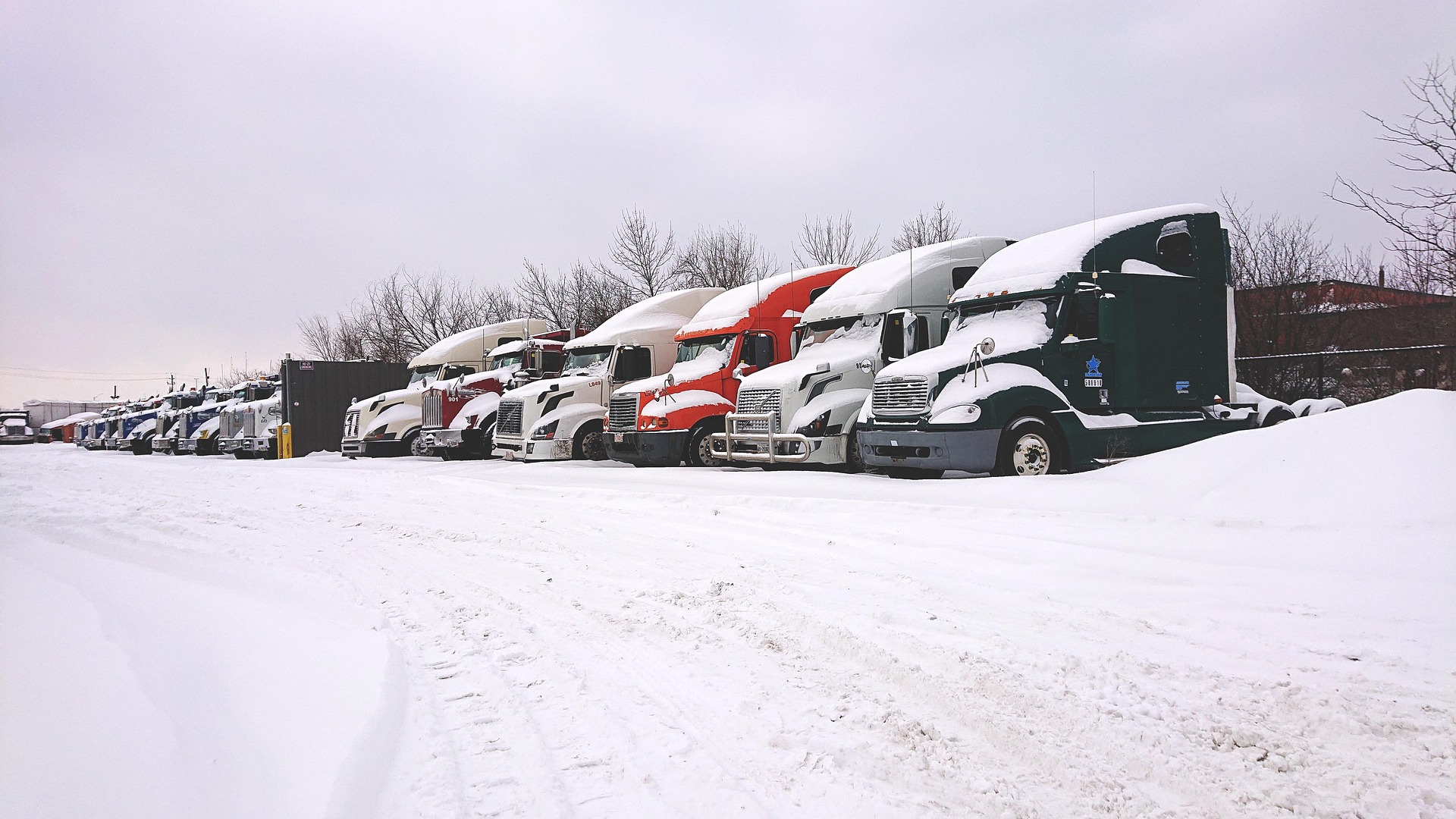
For Belfast City Airport, the adoption of HVO fuel means that its entire fleet of airside vehicles, from baggage carts to maintenance equipment, will now run on a fuel source that is not only better for the environment but also offers superior performance.

In addition to HVO fuel, the switch to LED lighting further enhances the airport’s energy efficiency. LED lights consume 90% less energy than traditional bulbs and can last up to 25 times longer. Their reduced heat emission also minimizes energy waste, contributing to a cooler and more energy-efficient operational environment.

Leading the Way Towards Greener Operations

Belfast City Airport’s commitment to sustainability is clear, as highlighted by Ian Nuttall, the airport’s Environment and Sustainability Manager: “By investing in HVO fuel and LED lighting for our main apron, we are demonstrating our dedication to environmental stewardship and making strides in our pursuit of net zero carbon emissions by 2050, with the ambition to achieve this sooner.”

The switch to HVO fuel is more than just a move towards cleaner energy—it’s a comprehensive strategy to improve the airport’s overall efficiency. This shift underscores Belfast City Airport’s dedication to integrating greener innovations into everyday practices. By investing in sustainable technologies, the airport is reducing its environmental impact while continuing to deliver seamless and efficient operations.

VURDHAAN’s Commitment to Sustainable Aviation Practices

At VURDHAAN, we are inspired by Belfast City Airport’s forward-thinking approach to sustainability. As specialists in sustainable aviation fuels (SAF) and airport carbon accreditation, we actively support airports and aviation organizations in reducing their carbon footprint. From helping our clients navigate complex regulatory frameworks like CORSIA and EU ETS to implementing sustainable fuel alternatives such as HVO, VURDHAAN is dedicated to enabling greener, more efficient airport operations.

Our holistic approach focuses on supporting airports with the technical expertise and strategic insight needed to integrate renewable energy solutions into their operations. We understand the complexities of transitioning to sustainable practices and offer tailored support to ensure that airports achieve compliance while driving innovation in sustainability.

A Positive Step for the Aviation Industry

Belfast City Airport’s switch to HVO fuel is a shining example of how airports can take meaningful steps towards reducing their carbon emissions while maintaining operational excellence. By embracing renewable energy solutions and improving energy efficiency through initiatives like LED lighting, BHD is setting a powerful precedent for other airports to follow.

As the aviation industry grapples with the challenges of reducing its environmental impact, Belfast City Airport’s actions prove that progress is possible. Their dedication to reducing emissions, improving energy efficiency, and investing in greener technologies is a positive step towards a sustainable future for aviation.

At VURDHAAN, we are proud to be at the forefront of supporting airports in their sustainability efforts, ensuring that the transition to greener operations is both achievable and impactful. Together, we can pave the way for a cleaner, greener future in aviation.

Source

A Bold Step Towards Sustainable Cities: 350 US Mayors Pledge to Electrify 50% of Their Fleets by 2030

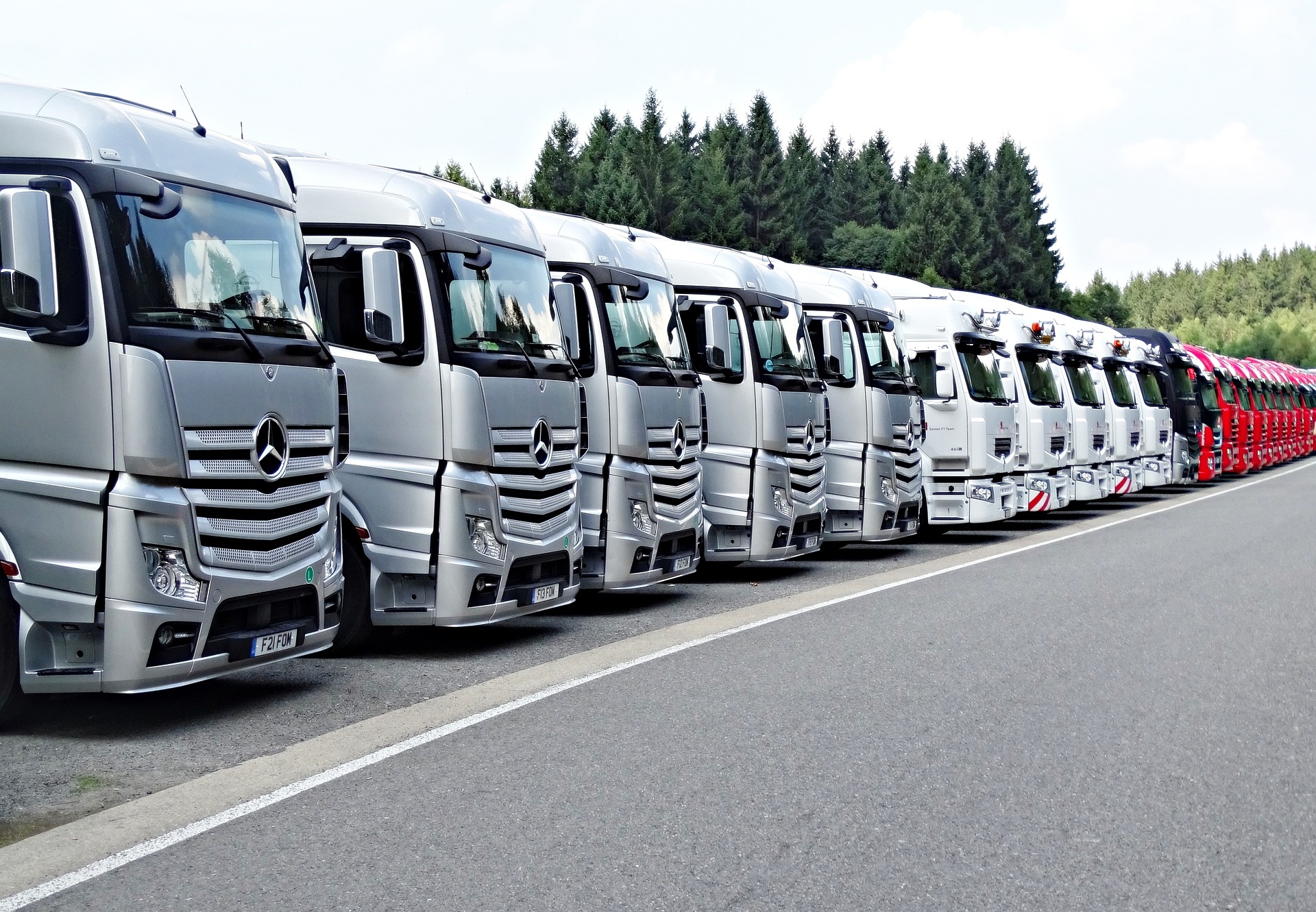
In a significant stride towards combating climate change, 350 mayors from across the United States, part of the Climate Mayors initiative, have set an ambitious goal to electrify half of their municipal vehicle fleets by 2030. This forward-thinking commitment represents a powerful collective action to reduce emissions and accelerate the transition to clean energy in cities nationwide.

The Climate Mayors initiative, founded a decade ago, is driven by a shared belief that climate change is an urgent problem requiring immediate and impactful solutions. With this new pledge, the mayors aim to put 80,000 to 100,000 electric vehicles (EVs) on the road in small and medium-sized municipalities, potentially eliminating nearly one million tonnes of CO2 emissions over the vehicles’ lifetimes.

Electrification and Charging Infrastructure: A Dual Commitment

Beyond just electrifying fleets, the initiative is also focused on addressing one of the most critical challenges facing the EV revolution—charging infrastructure. Recognizing the need for convenient and widespread access to EV charging stations, the mayors have committed to increasing the number of municipal charging points by an impressive 500% by 2035. This translates to the installation of 450,000 new charging stations across the nation, with a particular focus on ensuring that at least 40% of this infrastructure is allocated to disadvantaged areas.

This holistic approach not only supports environmental sustainability but also promotes equitable access to clean energy. By placing charging infrastructure in underserved communities, the initiative is making sure that the benefits of EVs reach all populations, ensuring a just transition to the electric future.

John Giles, Mayor of Mesa, Arizona, emphasized the importance of this bipartisan effort, stating, “By working together across party lines, Climate Mayors can achieve significant progress toward a safe, sustainable, and prosperous future. Embracing electric vehicles will bring long-term benefits to our community, and we are proud to lead this important transition as a united front.”

Leadership from Cities Large and Small

Although many of the participating cities are small to medium in size, several large, well-known metropolises such as Miami, New Orleans, Portland, and Seattle are also involved. These cities have the capacity to make an outsized impact, as their municipal fleets tend to be much larger.

Seattle’s Mayor, Bruce Harrell, highlighted the city’s multifaceted approach to transportation electrification, which includes expanding curbside charging stations, offering rebates for multi-family building charging, and encouraging the use of cargo bikes for urban deliveries. “In partnership with other Climate Mayors, I am committed to accelerating climate emission reduction, focusing on climate justice for those most impacted by environmental harm, and supporting the resilience of Seattle communities,” said Harrell.

This diverse coalition of cities—large and small, coastal and inland—demonstrates the widespread recognition of the need for decisive action to address climate change.

VURDHAAN: Driving Sustainable Fleet Electrification

At VURDHAAN, we applaud the ambitious efforts of the Climate Mayors and their commitment to electrifying municipal fleets. As specialists in fleet sustainability and fleet electrification initiatives, we are actively working to support organizations in transitioning their fleets towards greener, more sustainable options. Our expertise in programs like Green Freight and Fleet Electrification helps ensure that our clients not only comply with the latest sustainability standards but also stay ahead in achieving their environmental goals.

We understand the complexities of fleet transitions, from the challenges of securing charging infrastructure to navigating government incentives. VURDHAAN’s holistic three-step approach—Support, Educate, Implement—ensures that cities and organizations are fully equipped to make this transition smooth, efficient, and cost-effective. With our guidance, municipal leaders can meet their electrification goals while contributing to a cleaner, greener planet.

A United Front for a Sustainable Future

The commitment by the Climate Mayors to electrify their fleets and expand charging infrastructure represents a crucial milestone in the fight against climate change. By setting such ambitious goals, the mayors are leading by example, showing that meaningful action is not only possible but also essential. The result of their efforts will be cleaner air, reduced emissions, and a more sustainable future for all.

At VURDHAAN, we are proud to support these efforts and continue to work alongside municipalities and organizations that are committed to making sustainability a reality. As cities across the United States move toward electrifying their fleets, VURDHAAN is here to provide the expertise, resources, and strategic insight needed to ensure that this transition is not only successful but also transformative.

Source

Global Fleet Sustainability: Breaking Barriers and Driving Towards a Greener Future

In an exciting new development, two prominent industry leaders—TRC Companies, based in the U.S., and Germany’s M3E—have entered a strategic partnership aimed at propelling global commercial fleet sustainability to new heights. The collaboration between these powerhouses will support original equipment manufacturers (OEMs) and fleet operators in reducing emissions and adopting lower-carbon technologies on a global scale. This partnership represents a crucial step towards achieving greener fleets and overcoming regional barriers to sustainable transportation.

This is a timely and welcome partnership, as the transportation industry undergoes a profound transformation in response to climate change pressures and shifting regulatory landscapes. The collaboration between TRC and M3E seeks to make it easier for fleet operators to adopt clean vehicle technologies and take advantage of various governmental incentives across both North America and Europe. By aligning their expertise in market intelligence, regulatory compliance, and incentive frameworks, TRC and M3E are set to deliver solutions that help businesses accelerate their transition towards low and zero-emission vehicle fleets.

Navigating Complex Regulatory and Incentive Landscapes

TRC’s Clean Transportation Solutions division, with its deep experience in the North American market, has long been at the forefront of clean fleet deployment projects, managing large-scale alternative fuel corridors and green transportation initiatives. Partnering with M3E, a leading player in Europe’s eMobility market, brings an added layer of regional expertise to their clients, enabling seamless navigation through the complex web of European policies, regulations, and financial incentives. This partnership gives both companies the opportunity to further scale their reach, offering tailor-made solutions to fleet operators worldwide.

The global transportation sector is evolving rapidly, with new regulations, such as the EU Green Deal and the Inflation Reduction Act in the U.S., creating opportunities for fleets to invest in cleaner, more efficient technologies. The combined strength of TRC and M3E in understanding these regulatory and funding mechanisms ensures their clients are positioned to take full advantage of available resources.

Collaboration at Industry Events

The partnership between TRC and M3E will also be showcased at major industry events, including the upcoming IAA Transportation 2024 trade show in Hannover, Germany. This event provides a global platform for the two firms to demonstrate their innovative solutions, from TRC’s “Funding 360 Program” to M3E’s “European Policy Report.” These tools will help clients better understand how to optimize their fleet operations while securing critical financial support for their sustainability efforts.

VURDHAAN: Supporting Global Fleet Sustainability Efforts

At VURDHAAN, we recognize the importance of such international partnerships in advancing sustainable fleet solutions across industries. As specialists in regulatory compliance and sustainable fuel adoption, we are actively engaged in supporting clients within the road transport sector through initiatives like the Green Freight Programs and fleet electrification strategies. Our expertise ensures that businesses are not only compliant but also leaders in sustainability, capable of taking full advantage of incentives and emerging technologies.

This collaboration between TRC and M3E aligns with VURDHAAN’s holistic approach to sustainability, where we offer tailored support to our clients, helping them navigate the complexities of sustainability goals, regulations, and certifications across global markets.

Driving Towards a Greener Tomorrow

In conclusion, the partnership between TRC and M3E represents an exciting development in the journey toward greener global transportation networks. With their combined knowledge and experience, they will help commercial fleet operators break through regional barriers and accelerate the adoption of sustainable technologies, while making the most of financial incentives on both sides of the Atlantic. At VURDHAAN, we are inspired by such efforts and are proud to be part of this collective push towards a more sustainable future for the road transport sector.

Source

Accelerating Fleet Electrification: A Positive Step Toward Net Zero

In an exciting move towards sustainability, JET Charge has partnered with Australia’s largest general insurer, IAG, to electrify its fleet of over 650 vehicles. This initiative, backed by the Australian Renewable Energy Agency (ARENA), is a significant milestone in the country’s transition towards greener transportation. JET Charge, a leader in electric vehicle (EV) fleet transitions, is deploying a comprehensive Charging as a Service (CaaS) solution to simplify the process, making the transition to EVs more seamless for businesses.

The Power of Fleet Electrification

Fleet electrification is becoming a vital component of corporate sustainability strategies as businesses work towards achieving Net Zero goals. IAG’s decision to prioritize fleet electrification aligns with its commitment to becoming a net zero insurer by 2050. By transitioning its tool of trade fleet to electric and hybrid models by 2030, the company is actively reducing its Scope 1 emissions, a significant step in mitigating climate risk.

This move is part of a broader initiative to promote electric vehicle usage across Australia, particularly for businesses with large fleets. IAG’s pilot program demonstrated the feasibility of using EVs for frontline employees in both rural and metropolitan areas. The successful results have spurred a full-scale transition, and JET Charge is making this shift easier by installing chargers in workplaces and employees’ homes.

Overcoming Barriers with ARENA’s Support

One of the biggest challenges for companies adopting EV fleets is the high upfront cost of charging infrastructure. However, the government-subsidized program, supported by ARENA, offers a 30% discount to early adopters, significantly lowering financial barriers. This initiative is paving the way for more companies to embrace fleet electrification, demonstrating that the transition is not only feasible but also cost-effective.

Tim Washington, CEO of JET Charge, emphasized the importance of providing end-to-end solutions that handle everything from installation to maintenance. This holistic approach ensures that companies like IAG can focus on their operations while reducing their carbon footprint.

VURDHAAN’s Role in Fleet Electrification

At VURDHAAN, we recognize the immense potential of fleet electrification in achieving Net Zero goals. With our expertise in sustainable transportation solutions, we assist companies in the road sector with fleet transitions through tailored strategies, fleet electrification plans, and innovative approaches like HVO (Hydrotreated Vegetable Oil) and electrification. Our experience in programs such as Ecostars Fleet Recognition and collaborations with government bodies allows us to guide organizations through the complexities of EV adoption.

Through our Support, Educate, and Implement methodology, we help businesses adopt greener fleets while ensuring regulatory compliance and optimizing their sustainability efforts. By focusing on fleet electrification and leveraging government incentives, we contribute to the decarbonization of transportation sectors globally.

Looking Ahead: A Greener Future for Australian Fleets

This partnership between JET Charge and IAG is not just a step towards cleaner company operations, but a broader signal to industries across Australia that fleet electrification is the way forward. With plans to install over 3,000 chargers across workplaces and homes, JET Charge is laying the groundwork for large-scale fleet transitions that could significantly reduce vehicle emissions nationwide.

By leading with this example, IAG is inspiring other companies to take action, and with support from organizations like JET Charge and VURDHAAN, the path to sustainable, low-emission fleets is becoming clearer and more accessible than ever.

The transition to electric fleets is no longer just a vision—it’s a reality that’s unfolding now, and the positive environmental and operational impacts will only continue to grow.

Source

Ensuring a Sustainable Future for Aviation: Feedstock Challenges and Opportunities for SAF

The aviation industry is at a critical juncture in its sustainability journey, and the latest insights from industry analyst Thomas Mielke at the Sustainable Vegetable Oils Conference (SVOC) underscore both challenges and opportunities in the production of Sustainable Aviation Fuel (SAF). As the demand for SAF grows, driven by the need to reduce carbon emissions in air transportation, concerns around feedstock availability have come into sharp focus.

The Role of Feedstocks in SAF Production

SAF is a game-changing alternative to traditional fossil-based jet fuels, made from a variety of renewable, non-petroleum feedstocks such as used cooking oil, municipal waste, and agricultural residues. These sustainable fuels can be blended with conventional jet fuel, reducing greenhouse gas emissions by up to 80% depending on the blend. However, one of the key challenges for widespread adoption of SAF is securing a reliable and sustainable supply of feedstocks.

Mielke highlighted that the global supply of certain feedstocks, including used cooking oil, tallow, and other non-food materials, has not kept pace with the increasing demand. This shortage is likely to increase reliance on plant oils like palm oil, soybean oil, sunflower oil, and rapeseed oil, all of which are also essential for food production.

A Shifting Landscape for Vegetable Oils

The global vegetable oil market is undergoing a transformation. Mielke noted a shift towards soybean, sunflower, and rapeseed oils as alternatives to palm oil, which has faced significant sustainability and certification challenges in recent years. The decline in palm oil production since 2019, due to a combination of factors like insufficient replanting and rising production costs, has only intensified the pressure on alternative oil crops.

This shift is likely to drive up prices for vegetable oils, which will, in turn, affect the biofuel industry, including the production of SAF. As Mielke pointed out, the energy sector already consumes 20% of the world’s oils and fats, and SAF will further strain the supply chain, making it crucial for producers and consumers to adapt to tightening supplies and rising costs.

What This Means for the Future of SAF and Biofuels

The increased demand for SAF will inevitably impact the biodiesel and Hydrotreated Vegetable Oil (HVO) markets. With electric vehicles gaining traction in the transportation sector, the demand for biodiesel may decrease, but the need for SAF in aviation will continue to grow. In fact, biodiesel production has nearly doubled over the past decade and is estimated to reach 62.7 million tons this year, according to Mielke.

However, with the potential tightening of vegetable oil supplies, industry players will need to innovate and explore new feedstock options to meet the increasing demand for SAF. Sustainable feedstocks like municipal waste, waste gases, and agricultural residues will play a crucial role in ensuring the long-term viability of SAF and biofuels.

VURDHAAN’s Commitment to a Sustainable Aviation Future

At VURDHAAN, we understand the complexities surrounding feedstock availability and the production of Sustainable Aviation Fuel. Our expertise in SAF, non-CO2 effects, and regulatory frameworks such as CORSIA, EU ETS, and UK ETS positions us at the forefront of sustainable aviation solutions. We work closely with aviation stakeholders to develop comprehensive strategies that align with sustainability goals while ensuring regulatory compliance.

Through our three-step methodology—Support, Educate, Implement—we help organizations navigate these challenges and optimize their sustainability strategies. By fostering innovation and focusing on alternative, sustainable feedstocks, VURDHAAN is actively contributing to the aviation sector’s transition to greener skies.

Conclusion

While the feedstock supply challenges outlined by Mielke present hurdles for SAF production, they also highlight the opportunities for innovation and collaboration within the industry. As the global aviation sector continues its decarbonization efforts, organizations like VURDHAAN are dedicated to supporting this transition through expert guidance, tailored solutions, and a commitment to sustainable growth.

Together, we can address these challenges and ensure a sustainable future for aviation—one flight at a time.

Source

The Promise of Sustainable Aviation Fuel: A Greener Future for Air Travel

As the global aviation industry continues to expand, its environmental impact remains a critical concern. Currently, the sector accounts for around 2% of global energy-related CO2 emissions and 4% of the EU’s total emissions. Addressing this, Sustainable Aviation Fuel (SAF) is increasingly being recognized as a key component in reducing the sector’s carbon footprint and advancing toward a more sustainable future.

What Exactly is SAF?

Sustainable Aviation Fuel, or SAF, is an innovative alternative to conventional jet fuel. Unlike fossil fuels, SAF is produced from renewable sources such as used cooking oil, agricultural residues, and even municipal waste. Importantly, SAF has the potential to reduce lifecycle greenhouse gas emissions by over 50%, making it a viable solution for lowering the aviation industry’s carbon footprint.

The SAF production process includes feedstock collection, conversion into renewable hydrocarbons, blending with traditional jet fuel, and seamless integration into existing airport infrastructure. With its ability to reduce emissions and its compatibility with current systems, SAF is poised to play a transformative role in decarbonizing aviation.

Current Pathways to SAF

SAF production has progressed significantly, with nine certified pathways making SAF increasingly accessible and viable. These include:

  • HEFA (Hydroprocessed Esters and Fatty Acids): The most widely used process, HEFA converts oils and fats into renewable jet fuel and has powered over 95% of SAF flights to date.
  • ATJ (Alcohol-to-Jet): This technology uses alcohols like ethanol, transforming them into SAF through a multi-step conversion process.
  • Fischer-Tropsch (FT): By converting biomass into hydrocarbons, FT-SAF offers high efficiency with minimal waste, but faces scalability challenges.
  • Power-to-Liquid (PtL): PtL uses renewable electricity and captured CO2 to synthesize liquid hydrocarbons, offering a highly sustainable production route.

Each pathway brings its unique strengths, along with challenges, such as cost and feedstock availability. However, governments and industry stakeholders are driving innovation and scaling up production to overcome these hurdles.

The Road Ahead: Regulatory and Financial Support for SAF

To ensure the success of SAF, global governments are offering various incentives, including direct grants, tax credits, and low-interest loans. Carbon pricing mechanisms, such as emissions trading schemes like CORSIA (Carbon Offsetting and Reduction Scheme for International Aviation), further encourage SAF adoption by making high-carbon fuels less economically attractive.

Despite the high initial production costs—currently two to three times that of traditional jet fuel—investment in SAF technology is expected to reduce expenses through economies of scale. Moreover, the aviation sector must increase SAF production exponentially to meet net-zero targets by 2050.

VURDHAAN’s Role in the Sustainable Aviation Space

At VURDHAAN, we are deeply committed to supporting the aviation industry’s transition to more sustainable practices. We work closely with airlines and airports to ensure compliance with initiatives such as CORSIA, ReFuelEU, and Sustainable Aviation Fuels guidelines. By offering expert advice and tailored solutions, VURDHAAN enables stakeholders to navigate regulatory landscapes and adopt SAF technologies seamlessly.

Through our three-step methodology—Support, Educate, and Implement—VURDHAAN provides hands-on support and strategic insights, ensuring that our clients can achieve and exceed their sustainability goals efficiently.

A Sustainable Future for Aviation

Sustainable Aviation Fuel offers immense potential to reduce the environmental impact of the aviation sector. While challenges exist, coordinated efforts among governments, industry leaders, and organizations like VURDHAAN are paving the way for a greener future. By embracing SAF and pushing for further innovation, we can help ensure that the skies remain open—not just for travel, but for a more sustainable planet.

Source

SAF: A Game-Changer in Aviation’s Journey Towards Sustainability

In recent years, Sustainable Aviation Fuel (SAF) has emerged as a key player in the aviation industry’s efforts to reduce its carbon footprint. As noted in the International Air Transport Association’s (IATA) Net Zero Roadmap, aviation is one of the hardest sectors to decarbonize. However, with its contribution to 14 of the United Nations’ 17 Sustainable Development Goals (SDGs), including SDG 13 (“Take urgent action to combat climate change and its impacts”), the focus is clear: aviation must transform, and SAF is set to be at the heart of that transformation.

The Critical Role of SAF in Achieving Net Zero

IATA’s central scenario predicts that by 2050, SAF will make up 80-90% of aviation fuel, contributing to a 62% reduction in emissions. This ambitious target aligns with global climate objectives and has catalyzed action from both governments and the private sector across the globe. In the U.S., the 2021 “Sustainable Aviation Fuel Grand Challenge” seeks to cut lifecycle greenhouse gases by 50% and meet 100% of fuel demand by 2050. Meanwhile, the European Union and the UK have implemented SAF mandates, bolstering production and ensuring there’s a market for these cleaner alternatives.

Though SAF currently accounts for less than 0.1% of total airline fuel consumption, production is expected to double in 2024. The EU’s ReFuelEU initiative and the UK’s new SAF mandates are helping to drive this growth by ensuring supply and demand meet increasing sustainability goals.

Government Incentives and Mandates Driving SAF Growth

To meet these ambitious targets, incentives are key. The U.S. government continues to incentivize SAF production through tax credits and regulatory support, with bipartisan initiatives offering hope for further longevity. The Internal Revenue Service (IRS) has developed the 40BSAF-GREET model to calculate SAF-related tax credits based on lifecycle emissions reductions, making it easier for producers to claim credits and boosting investment in cleaner technologies. Similarly, Europe’s Emissions Trading Scheme provides up to €2 billion in financial incentives, ensuring that airlines adopt SAF in their operations.

The UK, with its recent confirmation of SAF mandates, has taken an innovative approach. From 2025 onwards, mandates will increase yearly, reaching 22% by 2040. The inclusion of new feedstock innovation requirements and the imposition of separate mandates for power-to-liquid (PtL) fuel shows a comprehensive strategy to ensure the long-term sustainability of SAF.

Addressing Lifecycle Emissions and Greenwashing Concerns

One of the most significant aspects of SAF development is ensuring transparency around lifecycle emissions. As regulations tighten, airlines are becoming increasingly accountable for proving how much their fuel contributes to emissions reductions across its entire production cycle. This focus on traceability is essential for both meeting regulatory requirements and preventing accusations of “greenwashing,” which have recently affected airlines in Europe.

At VURDHAAN, we understand the complexity of decarbonizing the aviation sector. As active participants in this transformative journey, we support organizations navigating the evolving SAF landscape. Through initiatives like CORSIA and EU ETS compliance, we help airlines meet emission reduction targets while embracing sustainable practices. Our expertise extends beyond compliance to providing strategic support, education, and implementation for organizations committed to making aviation greener.

The Road Ahead: Collaboration is Key

As the aviation industry continues to tackle its decarbonization challenges, the role of SAF is only set to grow. Governments, airlines, and producers must continue to work collaboratively to overcome barriers, including scaling production, ensuring feedstock availability, and meeting cost competitiveness. Research initiatives such as the U.S. Department of Energy’s ASCENT program, which funds research into alternative fuels, provide the foundation for continued innovation in SAF technologies.

By working together, stakeholders across the aviation ecosystem can help achieve the ambitious goal of net-zero emissions by 2050, with SAF leading the charge.

Conclusion

As the aviation industry faces increasing pressure to reduce emissions, SAF provides a viable and scalable solution. With government support, industry collaboration, and stringent safeguards against greenwashing, SAF is set to be a cornerstone of the sector’s decarbonization efforts. VURDHAAN, with its expertise in regulatory compliance and sustainable strategies, is committed to supporting aviation stakeholders in this green transition, ensuring a cleaner and more sustainable future for air travel.

Source

Revving Up Fleet Electrification: How Telematics Can Drive the Shift to EVs

As Southeast Asia pushes towards carbon neutrality, one of the key sectors needing transformation is transportation, where fleet electrification can significantly reduce emissions. According to the Asean Strategy for Carbon Neutrality, the region must bridge a 2.6 GT CO2 gap to meet its climate targets. Recognizing this challenge, governments across Southeast Asia are offering incentives to accelerate the adoption of electric vehicles (EVs). However, the pace of fleet electrification varies across countries, with Australia and Singapore leading the charge while others face barriers like higher costs and limited charging infrastructure.

One major barrier to fleet electrification is the cost of switching from internal combustion engines to EVs. Despite this, experts argue that the long-term cost benefits of EVs can outweigh the upfront expenses. David Brown, associate vice president of sales for Asia Pacific at Geotab, emphasizes that EVs, when properly managed using telematics, offer significant cost savings. Batteries, while expensive, can be optimally maintained, leading to reduced fuel costs, improved efficiency, and better performance over time.

How Telematics Supports Fleet Electrification

Fleet electrification is a complex process, but telematics solutions like Geotab’s Electric Vehicle Suitability Assessment (EVSA) can simplify decision-making. By installing telematics devices, fleet managers can gather vital data on fuel consumption, maintenance costs, and idle time, allowing them to build a clear business case for EV adoption. Geotab’s EVSA tool provides customized insights into the lifetime cost savings and environmental impact of switching to electric, empowering companies to make smarter, data-driven decisions.

Moreover, telematics addresses common concerns like range anxiety, particularly in Southeast Asia, where warmer climates can affect battery performance. Geotab’s telematics solutions, which monitor the battery life, charging patterns, and energy usage of over 300 EV models, help fleet managers optimize operations even in challenging environments.

Building the Case for Fleet Electrification

Shifting an entire fleet to EVs isn’t something that happens overnight. Instead, telematics offers a step-by-step approach to fleet electrification. By analyzing real-time data from existing vehicles, telematics tools help fleet managers prioritize which vehicles to replace, ensuring an efficient and cost-effective transition. With tools like Geotab’s EVSA, businesses can assess their fleet’s total cost of ownership and use data to project future savings, giving them the confidence to invest in green technology.

Beyond cost savings, telematics provides a wealth of additional benefits for fleet operators. These include improved safety through driver monitoring, predictive maintenance to prevent costly downtime, and enhanced compliance with local emissions regulations. The ability to monitor fuel use, vehicle performance, and route optimization in real-time allows fleet managers to reduce operational costs, improve efficiency, and contribute to their sustainability goals.

VURDHAAN’s Commitment to Fleet Electrification

At VURDHAAN, we recognize the immense potential of fleet electrification in reducing emissions and improving operational efficiency. Through our expertise in fleet electrification and telematics integration, we help organizations across the transportation sector transition to cleaner, more sustainable fleets. We offer tailored support, including training, strategy development, and implementation services, ensuring that fleet managers are fully equipped to make the shift to EVs.

Our holistic Support, Educate, and Implement approach ensures that clients can meet regulatory requirements, such as those in ASEAN, while optimizing fleet performance and sustainability outcomes. We believe that with the right tools and guidance, the transportation industry can play a crucial role in Southeast Asia’s journey towards a carbon-neutral future.

The Future of Fleet Electrification

With the right technology and support, fleet electrification doesn’t have to be a daunting process. Telematics solutions offer the data and insights fleet managers need to make informed, cost-effective decisions, reducing emissions and improving operational efficiency. As Southeast Asia continues to embrace sustainable transportation, fleet electrification will become a cornerstone of regional efforts to achieve carbon neutrality.

At VURDHAAN, we are committed to leading this transformation by offering the expertise and tools necessary to help organizations adopt EVs and telematics solutions. Together, we can drive the future of sustainable transportation and accelerate the journey to a cleaner, greener Southeast Asia.

Source

The Future of Aviation: Sustainable Aviation Fuel Market Set to Soar

The aviation industry is at a pivotal moment in its journey toward sustainability, with the Sustainable Aviation Fuel (SAF) market poised for impressive growth. Currently valued at $1.1 billion in 2024, the market is projected to reach $3.0 billion by 2034, with a Compound Annual Growth Rate (CAGR) of 11.6%. This surge reflects a growing demand for cleaner, renewable alternatives to conventional jet fuels, driven by increasing regulatory pressures, technological advancements, and rising environmental awareness in the aviation sector.

SAF, derived from renewable feedstocks like biomass and waste oils, offers a significant reduction in carbon emissions compared to traditional fossil fuels. As the aviation industry grapples with its environmental impact, SAF presents a practical solution to help airlines and airports meet their ambitious carbon reduction targets. Though SAF adoption currently accounts for less than 1% of global jet fuel consumption, the market is on the verge of significant expansion as more airlines, airports, and fuel producers invest in this promising technology.

Key Drivers and Innovations Fueling SAF Growth

The projected growth of the SAF market can be attributed to several key factors, including increased regulatory support, technological innovations, and a heightened focus on sustainability. Government initiatives across the globe, such as the CORSIA and ReFuelEU programs, are pushing airlines to reduce their emissions, accelerating the shift toward SAF adoption. Additionally, advances in biofuel manufacturing technologies, including Hydroprocessed Fatty Acid Esters and Fatty Acids – Synthetic Paraffinic Kerosene (HEFA-SPK) and Fischer Tropsch Synthetic Paraffinic Kerosene (FT-SPK), are enhancing production efficiency and lowering costs, making SAF more accessible.

Innovative startups and established fuel companies are also playing a critical role in SAF market development. Companies like LanzaJet, Velocys, and SkyNRG are at the forefront of developing cutting-edge technologies to produce SAF from diverse feedstocks, while major players like Neste and World Energy are scaling up production to meet rising demand.

Airlines are increasingly investing in SAF to reduce their carbon footprints. United Airlines, for instance, has invested $30 million in SAF producer Fulcrum BioEnergy, while Delta Air Lines has committed to achieving 10% SAF usage by 2030. These investments not only support the aviation industry’s decarbonization efforts but also signal the growing commercial viability of SAF.

VURDHAAN’s Role in Supporting SAF Adoption

At VURDHAAN, we are committed to helping the aviation sector navigate its sustainability challenges by offering specialized services in Sustainable Aviation Fuels (SAF), CORSIA, and ReFuelEU compliance. Our expertise in guiding clients through the intricacies of SAF adoption ensures that airlines and aviation stakeholders can meet regulatory requirements while optimizing their carbon reduction strategies.

Through our three-step approach—Support, Educate, and Implement—VURDHAAN works closely with aviation companies to provide tailored solutions, from understanding SAF production technologies to aligning with future regulatory demands. We help organizations seize the opportunity to transition toward SAF while enhancing their environmental performance and ESG ratings.

Looking Ahead: Opportunities in the SAF Market

The future of the Sustainable Aviation Fuel market is promising, with significant opportunities for growth and investment. As the aviation industry continues its shift toward greener alternatives, SAF will play a critical role in reducing carbon emissions and promoting a more sustainable future for air travel. Despite current challenges, such as high production costs and limited feedstock availability, the outlook remains optimistic as technological advancements and regulatory support increase.

For investors and industry players alike, the SAF market offers numerous avenues for participation in the aviation sector’s transformation. By supporting SAF development and adoption, stakeholders can contribute to a more sustainable future while reaping substantial financial rewards.

At VURDHAAN, we are excited to be part of this journey, actively assisting the aviation industry in achieving its sustainability goals and preparing for the future of clean air travel.

Source

Navigating the Challenges of FuelEU Maritime: Turning Costs into Opportunities

As the maritime sector braces for the FuelEU Maritime regulations set to take effect on January 1, 2025, shipowners and operators must act now to navigate the impending challenges. With projected penalties of €1.35 billion by 2025, the stakes are high for companies to adjust fuel strategies and embrace low-carbon technologies. The regulations, which follow on from the EU Emissions Trading System (EU ETS), will force companies to balance fuel compliance and invest in sustainable alternatives or hybrid propulsion systems.

Recently, OceanScore launched the FuelEU Planner, a tool designed to help shipping companies strategically manage these regulatory changes. The platform allows businesses to simulate fuel choices, compare operational decisions, and explore cost-saving opportunities—all with the goal of minimizing penalties and optimizing compliance. This is a vital tool as the industry transitions toward lower greenhouse gas (GHG) emissions and more efficient operations.

OceanScore’s comprehensive suite of solutions, which will soon include FuelEU Manager and FuelEU Marketplace, highlights the importance of careful planning and proactive investment. The shipping sector faces a complex decision-making process, with fuel choices, compliance banking, and cost strategies all playing critical roles in determining a company’s success in adapting to FuelEU’s requirements.

From Compliance to Opportunity: How VURDHAAN Supports Maritime Transition

At VURDHAAN, we understand that the evolving regulatory landscape can seem daunting. However, we view these changes as opportunities for growth and innovation. Our deep expertise in maritime sustainability, from FuelEU and EU MRV to MARPOL and bioLNG, positions us as an essential partner in helping shipping companies navigate this new era of compliance.

VURDHAAN’s holistic approach—Support, Educate, and Implement—ensures that our clients not only meet regulatory requirements but also seize new opportunities to improve operational efficiency and reduce costs. By providing tailored compliance strategies, fuel optimization insights, and guidance on future-proofing investments, we enable businesses to turn FuelEU Maritime into a stepping stone for long-term success.

Our mission is simple: to make sustainability manageable and profitable for the maritime sector. With the right tools and expert support, like the innovative solutions from OceanScore, companies can thrive in this new regulatory environment, transforming potential penalties into opportunities for revenue growth and cost savings.

Source