

Indonesia Takes Bold Steps Towards Sustainable Aviation with SAF Action Plan: VURDHAAN Applauds the Initiative

In an exciting development for global aviation, the Indonesian government has unveiled its action plan for Sustainable Aviation Fuels (SAF) at the 2024 Bali International Airshow. This move underscores Indonesia’s growing commitment to environmental sustainability and the transition to greener aviation practices. Coordinating Minister for Maritime Affairs and Investment, Luhut Binsar Pandjaitan, presented the ambitious plan in Badung, Bali, announcing that Indonesia would soon hold discussions to outline the SAF roadmap, which could make significant strides in achieving net-zero emissions in the aviation sector.

A Vision for Greener Skies

The SAF action plan aligns closely with international efforts, especially those of the International Civil Aviation Organization (ICAO), to promote cleaner alternatives to conventional fossil-based jet fuel. By leveraging indigenous resources like coconut oil, seaweed, and rice dregs, Indonesia aims to tap into its natural wealth to reduce aviation’s carbon footprint. Minister Pandjaitan emphasized that discussions around executing the roadmap will soon begin, with plans to collaborate with state-owned oil giant Pertamina and the nation’s leading airlines.

Global Relevance and Economic Promise

As the world increasingly turns its attention to sustainable energy solutions, Indonesia’s move is timely. Minister Pandjaitan expressed confidence that with ongoing economic progress—driven by resource downstreaming, digitalization, and the country’s burgeoning mineral wealth—Indonesia could position itself as a hub for sustainable fuel production. This positions Indonesia as not only a leader in the Asia-Pacific but also a global influencer in the SAF sector.

VURDHAAN’s Commitment to Sustainable Aviation

At VURDHAAN, we recognize the importance of Indonesia’s SAF action plan in propelling the aviation sector towards a sustainable future. As a specialist in the sustainability arena, VURDHAAN actively supports airlines and aviation stakeholders worldwide in their efforts to adopt SAF solutions, including initiatives like the Carbon Offsetting and Reduction Scheme for International Aviation (CORSIA) and the EU’s ReFuelEU directive. Through our holistic approach—supporting regulatory compliance, providing expert guidance, and helping organizations implement robust sustainability strategies—we stand ready to assist aviation companies as they navigate this transformational phase.

A Global Shift Towards Sustainability

Transportation Minister Budi Karya Sumadi also reiterated that Indonesia’s SAF roadmap is a critical part of the country’s alignment with ICAO’s global push for SAF and Low Carbon Aviation Fuels (LCAF). With the aviation industry contributing significantly to global CO2 emissions, transitioning to SAF is not only a critical step for Indonesia but also an essential move to meet international carbon reduction targets.

Looking Forward

Indonesia’s SAF action plan represents an encouraging leap towards greener aviation. It also reflects the broader, global momentum towards sustainable practices in the aviation industry. As this plan takes shape, VURDHAAN continues to offer its expertise and solutions for organizations looking to embrace SAF and other sustainability measures. Together, we can work towards cleaner skies and a more sustainable aviation future.

Source

EU Regulation on Non-CO2 Aviation Effects: What Aircraft Operators Need to Know for 2025

The European Commission has recently introduced major updates to its Emissions Trading System (EU ETS) for the aviation sector. These changes, announced on September 23, 2024, are part of the EU’s broader strategy to align with its climate neutrality targets by 2050, and they come into effect on January 1, 2025. For aircraft operators, the updates introduce new obligations for the monitoring, reporting, and verification (MRV) of both CO2 emissions and, for the first time, non-CO2 aviation effects.

Here’s an overview of the key regulatory updates and what aircraft operators need to prepare for.


1. The Inclusion of Non-CO2 Aviation Effects

One of the most significant updates is the introduction of non-CO2 aviation effects in emissions reporting. Studies have shown that these effects—such as contrails, NOx emissions, and water vapor—contribute significantly to global warming, with some estimates suggesting that their impact could be double that of CO2 alone.

Starting in 2025, aircraft operators will be required to monitor and report these non-CO2 effects using the CO2 equivalent (CO2e) metric. This reporting will cover:

  • Flights within the European Economic Area (EEA) and routes to the UK and Switzerland in 2025 and 2026.
  • The reporting obligation expands in 2027 to cover all flights.

To calculate the non-CO2 effects, operators will use Global Warming Potential (GWP) metrics over time horizons of 20, 50, and 100 years, providing a detailed assessment of their climate impact. The Commission has introduced the Non-CO2 Aviation Effects Tracking System (NEATS), a tool designed to help aircraft operators automate and streamline the process of calculating these effects.


2. Enhanced Monitoring and Reporting Requirements

Alongside CO2 emissions, the updated regulation emphasizes the completeness and accuracy of reporting. Aircraft operators will now be required to:

  • Submit a monitoring plan that includes both CO2 and non-CO2 effects, ensuring compliance with the latest EU ETS requirements.
  • Ensure complete data monitoring across all emission sources and source streams. This data must be collected, analyzed, and stored in a manner that ensures transparency and ease of verification.
  • Annual reports must now include a detailed account of non-CO2 effects, in addition to CO2 emissions.

For smaller operators (emitting less than 3,000 tonnes of CO2 annually), there are simplified reporting tools available, such as those provided by Eurocontrol. However, all operators must ensure their systems are up to date and able to capture the required data.


3. Focus on Sustainable and Zero-Rated Fuels

In line with the EU’s ambition to reduce its reliance on fossil fuels, the regulation provides clear guidance on the treatment of alternative aviation fuels. The use of Renewable Fuels of Non-Biological Origin (RFNBOs)Recycled Carbon Fuels (RCFs), and synthetic low-carbon fuels is encouraged through zero-rated emissions.

  • Aircraft operators will need to monitor and report the use of alternative fuels, ensuring that sustainability criteria are met.
  • Fuels that meet these criteria can be reported with zero-rated emissions, allowing operators to reduce their carbon footprint under the EU ETS.
  • The sustainability of biofuels, RFNBOs, and synthetic low-carbon fuels must be demonstrated using purchase records or linked databases, such as the Union Database.

This shift will require aircraft operators to adopt a more granular approach to fuel management and reporting, as mixed fuels containing both fossil and renewable components will need to be broken down and reported accurately.


4. Preparing for 2025: What Aircraft Operators Should Do Now

With the new requirements set to take effect in January 2025, aircraft operators must begin preparing now to ensure compliance. Here are the critical steps operators should take:

  • Review and update monitoring plans: Ensure that your current monitoring systems can capture both CO2 and non-CO2 effects and that your data collection processes meet the stringent accuracy requirements.
  • Integrate new tools: Consider integrating NEATS or other third-party solutions into your operations to automate the monitoring and reporting process for non-CO2 aviation effects.
  • Assess fuel use and sustainability criteria: Evaluate the sustainability of your fuel sources and ensure that you can meet the requirements for zero-rated emissions reporting.
  • Stay informed: The regulatory landscape is rapidly evolving. Engage with industry experts to stay ahead of changes and ensure that your operations remain compliant.

How VURDHAAN Can Help

Navigating the complexities of the EU’s emissions reporting framework can be challenging. At VURDHAAN, we specialize in helping aviation operators develop compliant and cost-effective solutions to meet their sustainability goals. Our services include:

  • Emissions Monitoring and Reporting: We can help you develop and implement a comprehensive monitoring plan that aligns with the latest EU ETS requirements.
  • Fuel and Sustainability Advisory: Our team provides expert advice on how to integrate alternative fuels into your operations and take advantage of zero-rated emissions under the EU ETS.
  • Regulatory Compliance Support: We offer end-to-end support to ensure that your operations meet all regulatory obligations, from data collection and reporting to verification and certification.

Haffner Energy Announces SAF Zero Spin-Off: A Game-Changer for Sustainable Aviation Fuel

Haffner Energy, a pioneer in renewable energy technologies, has made a bold move by launching SAF Zero, a spin-off company dedicated to accelerating the development and production of Sustainable Aviation Fuel (SAF). With 30 years of innovation and 80 international patents under its belt, Haffner Energy is leveraging its groundbreaking SAFNOCA technology to position SAF Zero as a key player in the fast-growing global SAF market. This strategic move comes at a time when the SAF market is projected to attract over $1 trillion in investments by 2050, further reinforcing the importance of decarbonizing aviation.

SAF Zero will focus on harnessing Haffner Energy’s unique SAFNOCA technology, which converts various types of organic waste and biomass into syngas—a critical component for SAF production. This innovative approach sets SAF Zero apart, offering a solution that is not only sustainable but also adaptable to different production pathways, including Alcohol-to-Jet (ATJ), Fisher-Tropsch, and methanol-to-jet technologies. By creating SAF from waste materials, the company helps reduce reliance on fossil fuels and supports the global push toward a net-zero aviation future.

Strategic Partnerships and Global Reach

Haffner Energy’s new spin-off is not starting from scratch. Two major SAF projects are already in development, including a notable partnership with LanzaJet and LanzaTech for the Paris-Vatry SAF initiative. Beyond this, the company is actively involved in bio-SAF and e-SAF projects across America, Europe, Africa, and Asia, indicating the global scope and potential of SAF Zero.

“We need partners to boost our efforts and grow our visibility in the soaring SAF market,” says Marcella Franchi, head of SAF at Haffner Energy. With this clear focus, SAF Zero aims to collaborate with industry leaders and innovators, ensuring that its game-changing technology reaches its full potential in scaling SAF production worldwide.

Financial Growth and Industry Leadership

The creation of SAF Zero allows Haffner Energy to focus its resources on renewable hydrogen, syngas, and methanol markets, while SAF Zero will lead the charge in SAF innovation. By transferring its intellectual property related to SAF to the spin-off, Haffner Energy ensures continued involvement while securing significant financial returns through licensing fees and royalties from future SAF projects. This strategic move is designed to be non-dilutive for Haffner Energy’s shareholders, creating a win-win scenario that drives value without diminishing their stake.

Philippe Haffner, CEO of Haffner Energy, points out that “the SAF market is highly dependent on specialized aviation players. To be a world leader in this specific environment, one must provide the kind of game-changing, operational technology that Haffner Energy provides.” By establishing SAF Zero, the company is creating a powerful lever for growth, enabling large-scale SAF development in collaboration with strategic financial and industry partners.

The Road Ahead: Selecting Partners and Scaling SAF Production

The selection process for strategic partners is already underway, as Haffner Energy seeks to maximize the value of SAF Zero for both the company and its shareholders. With expected investments in the SAF market reaching hundreds of billions of dollars, the company is positioning itself to play a critical role in scaling SAF production and contributing to aviation’s net-zero goals.

VURDHAAN’s Role in the Sustainable Aviation Landscape

At VURDHAAN, we are actively engaged in supporting innovations like SAF Zero that accelerate the aviation industry’s path to sustainability. As experts in navigating aviation’s regulatory frameworks, including CORSIA, EU ETS, and the ReFuelEU mandate, we help airlines and aviation stakeholders integrate SAF into their operations, ensuring compliance with global sustainability standards. Our expertise extends beyond regulatory support to assisting organizations in adopting cutting-edge SAF technologies, making aviation’s transition to net-zero both feasible and efficient.

Haffner Energy’s SAF Zero spin-off is a clear example of how the SAF industry is rapidly evolving to meet the needs of decarbonizing aviation. By leveraging innovative technologies and strategic partnerships, the SAF market is poised for exponential growth, and VURDHAAN is here to support this transformation every step of the way.

Source

SAF Registry: A New Era of Transparency and Growth for Sustainable Aviation Fuels

Sustainable Aviation Fuels (SAF) are set to play a pivotal role in the aviation industry’s journey toward net-zero emissions, contributing up to 65% of the sector’s carbon reduction efforts. SAF, produced from diverse feedstocks like waste oils, fats, and non-food crops, can reduce CO2 emissions by up to 80% and are designed as “drop-in” solutions that can seamlessly replace conventional jet fuels. With nine biofuel pathways already certified, SAF is becoming integral to aviation’s decarbonization.

Governments and regulatory bodies are already setting ambitious targets for SAF adoption. In October 2023, the European Union implemented ReFuelEU, mandating that 2% of all aviation fuel must be SAF by 2025, with a target of 70% by 2050. Meanwhile, ICAO has called for international aviation to reduce its carbon intensity by 5% by 2030. However, despite these advances, the SAF market is still in its infancy, with current global production far from meeting future demand.

In 2023, SAF production doubled to over 0.5 million tonnes (625 million liters), but this still only represents 0.2% of total global jet fuel consumption. To meet aviation’s net-zero goals by 2050, production must surge to 500 million tonnes (625 billion liters), far exceeding the expected output of 1.5 million tonnes in 2024. Additionally, the tracking and reporting of SAF usage remains inconsistent, with varied mechanisms impacting credibility across regions.

The SAF Registry: Enhancing Accountability and Growth

To foster a transparent and fluid global SAF market, the International Air Transport Association (IATA) is launching the SAF Registry. This pioneering initiative will enable the accurate accounting and reporting of SAF emissions reductions, helping to accelerate SAF adoption globally. Michael Schneider, IATA’s Assistant Director of Sustainability Programs, highlighted the SAF Registry as a “flagship initiative,” underscoring its importance to net-zero aviation.

A key feature of the SAF Registry is its compatibility with regulatory frameworks such as the Carbon Offsetting and Reduction Scheme for International Aviation (CORSIA) and the EU Emissions Trading Scheme (ETS). This compatibility will allow airlines to meet their SAF mandates while providing transparency regarding emissions reductions to governments and regulatory authorities. Airlines will be able to purchase SAF from anywhere in the world, with the environmental attributes of each batch being tracked and assigned to the purchasing airline. This ensures accurate emissions reporting for both Scope 1 emissions (for airlines) and Scope 3 emissions (for corporate clients).

The SAF Registry is designed to be scalable and neutral regarding feedstocks and production methods, ensuring it can accommodate a wide range of SAF types and regulations. Pilots for the SAF Registry will commence in November 2024, and the full launch is expected by the second quarter of 2025. So far, 25 airlines, 15 producers, 6 governments, and 3 OEMs have already joined the pilot phase, with interest continuing to grow.

How VURDHAAN Supports the Transition to SAF

At VURDHAAN, we are deeply committed to supporting the aviation sector’s shift to sustainable fuels. We specialize in helping airlines navigate complex regulatory landscapes such as CORSIA, EU ETS, and ReFuelEU, ensuring compliance and optimizing sustainability strategies. As SAF production ramps up and the market evolves, we work closely with airlines, airports, and aviation stakeholders to adopt SAF, enhance emissions reporting, and contribute to the global goal of decarbonizing aviation.

The introduction of the SAF Registry is a crucial step toward building a transparent and standardized SAF market. With this system in place, airlines can confidently invest in SAF while ensuring compliance with emissions reduction requirements. VURDHAAN’s expertise in sustainable aviation fuels and our holistic approach to sustainability ensures that we are well-positioned to help organizations make the transition to SAF smoothly and efficiently.

Source

HD Hyundai’s Carbon Capture System Gains Approval: A Breakthrough for Maritime Decarbonization

In a major leap toward greener shipping, HD Hyundai Marine Solution, alongside its sister companies HD Hyundai Engineering & Technology, HD Korea Shipbuilding & Offshore Engineering (HD KSOE), and Hyundai Heavy Industries Power Systems, has received Approval in Principle (AIP) from DNV for its innovative onboard carbon capture and storage (OCCS) retrofit design. This approval affirms that the technology is ready for real-world application and can help vessels comply with the tightening global emissions regulations.

This OCCS retrofit design is versatile and can be applied to a wide range of vessels, marking a crucial step in decarbonizing the maritime industry. The AIP was granted as part of a Joint Industry Project (JIP) between DNV and HD Hyundai companies, focusing on an LNG dual-fuel, 15,000 TEU ultra-large container ship. Through this collaboration, advanced carbon capture and liquefaction systems were integrated into the ship, showcasing the potential of OCCS to significantly reduce carbon emissions.

HD Hyundai Marine Solution spearheaded the basic design, while HD Hyundai Engineering & Technology took charge of the 3D modeling and detailed design work. DNV, a global leader in classification and certification, verified the retrofit design based on international regulations and its own guidelines, further reinforcing the credibility of this innovative system.

Ki-Dong Lee, CEO of HD Hyundai Marine Solution, expressed pride in receiving the certificate, stating that the AIP demonstrates the company’s strong capabilities in the retrofit market. With this development, HD Hyundai is expanding its eco-friendly retrofit offerings to include OCCS, dual-fuel engine retrofits, and FSRU/FSU conversions, delivering comprehensive solutions to meet the growing demand for sustainable shipping.

Vidar Dolonen, Regional Manager of DNV Korea and Japan, emphasized the importance of collaborative innovation, highlighting that this joint effort is a major milestone in advancing maritime decarbonization. The success of this project shows the immediate potential of OCCS technology in reducing emissions in the shipping industry, furthering the global push for a cleaner future.

How VURDHAAN Supports Maritime Decarbonization

At VURDHAAN, we recognize the significance of groundbreaking technologies like onboard carbon capture systems in reshaping the maritime industry. Our expertise in areas such as MARPOL compliance, retrofitting, and clean shipping initiatives ensures that we are at the forefront of helping maritime companies transition to more sustainable operations. We assist organizations in navigating complex regulatory landscapes and integrating innovative solutions like OCCS to meet decarbonization goals.

The AIP granted to HD Hyundai represents a major step forward in reducing the carbon footprint of the maritime industry. As the sector faces increasing pressure to lower emissions, solutions like carbon capture systems are vital. At VURDHAAN, we continue to play an active role in guiding companies toward implementing such solutions, ensuring that they remain compliant with both current and emerging sustainability requirements.

Source

FedEx Pioneers Sustainability Efforts with Hydrotreated Vegetable Oil (HVO) Transition in the U.K.

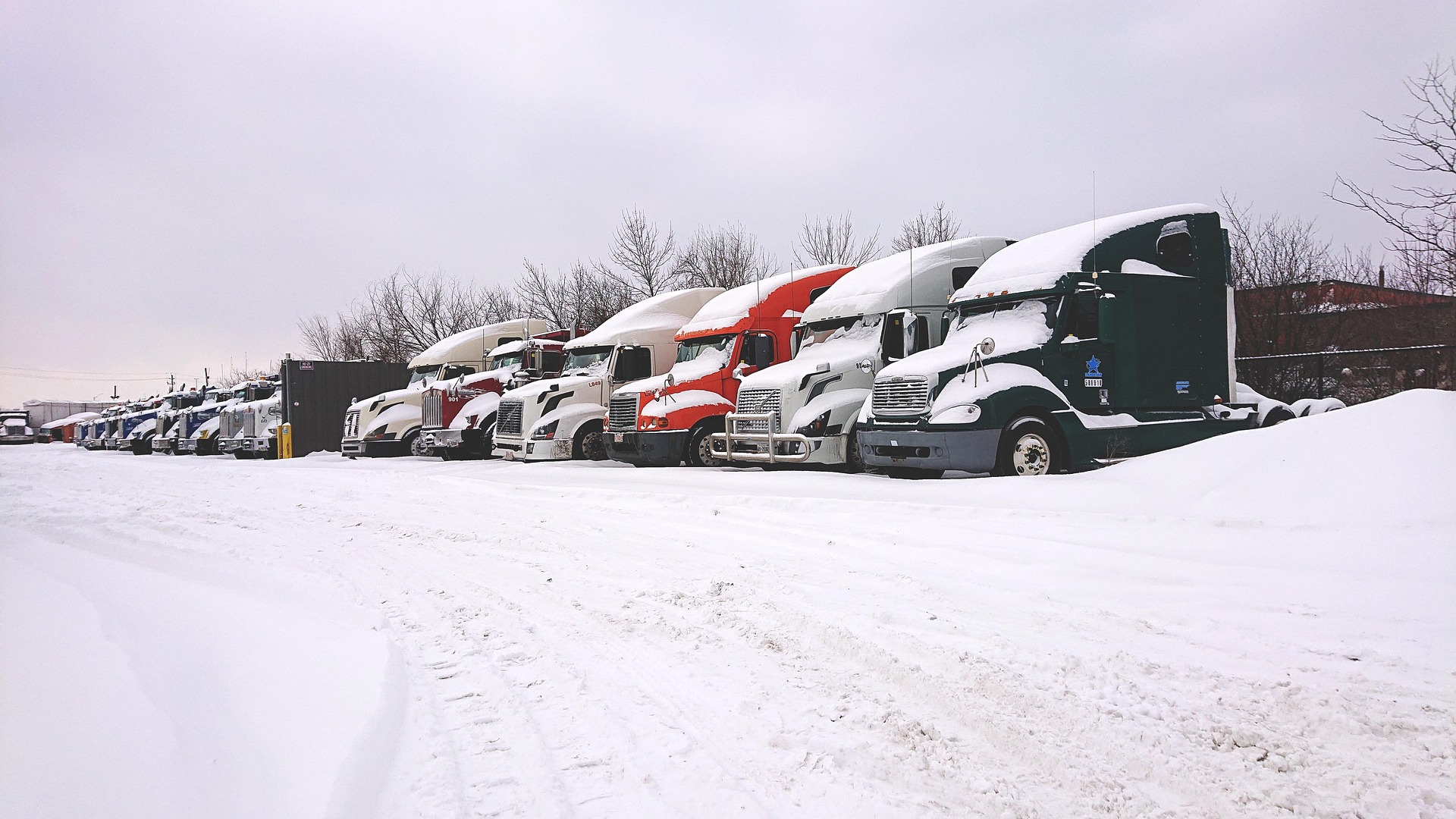
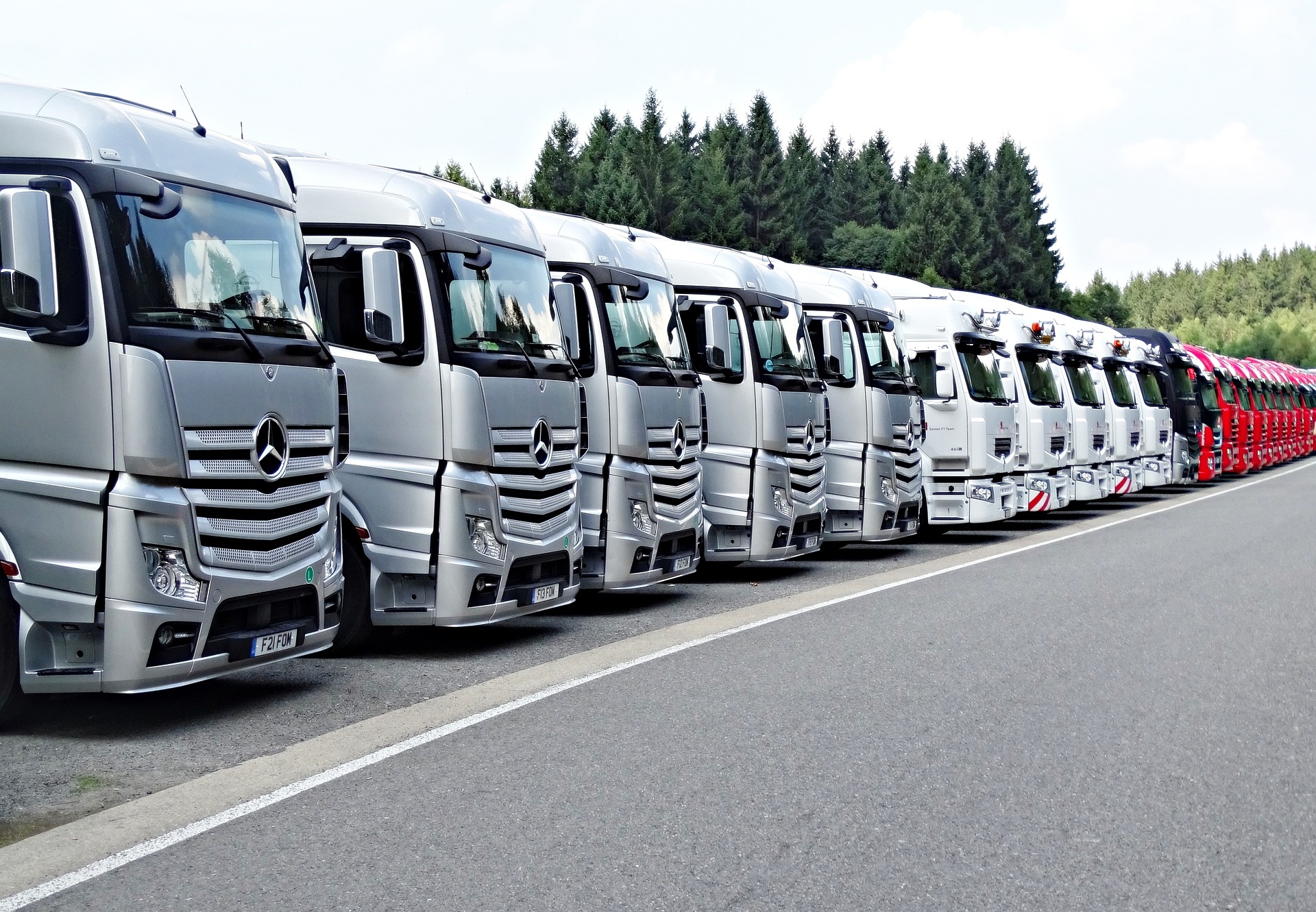
In an inspiring move toward greener logistics, FedEx has begun powering its U.K. fleet with Hydrotreated Vegetable Oil (HVO). As of September 2024, more than 170 linehaul trucks across three U.K. locations—Parkhouse, Marston Gate, and Atherstone—have shifted to using HVO as a sustainable fuel alternative to diesel. This transition is part of a two-year agreement with supplier Crown Oil, securing at least four million liters of HVO annually.

By embracing HVO, FedEx expects to reduce lifecycle carbon emissions by at least 80%, marking a significant milestone in its journey to achieve carbon-neutral operations by 2040. As the company’s senior manager for U.K. Road Network Operations, James Richards, emphasized, the switch to HVO is not just a temporary experiment but a pivotal change in operations. FedEx has already clocked 36,000 miles each week on alternative fuel, showcasing the reliability and scalability of HVO in their European road network.

This initiative follows an eight-month trial in both the U.K. and the Netherlands, where FedEx tested HVO’s viability as a “drop-in” fuel, meaning it can be used directly in diesel engines without modifications. The trial demonstrated HVO’s effectiveness in reducing emissions from heavy goods vehicles, making it the preferred option for large-scale deployment.

But it’s not just the trucks that are benefiting. As part of the agreement, 16 ground service equipment tugs used at these sites are also shifting to HVO. This move further illustrates the company’s commitment to reducing its overall carbon footprint while electrification of some equipment remains impractical.

The Path Forward: How VURDHAAN Supports Sustainable Road Transport

At VURDHAAN, we actively champion the adoption of greener fuels like HVO within the road transport sector. Our expertise in helping organizations navigate sustainable solutions, from HVO to fleet electrification and adherence to Green Freight Programs, aligns closely with FedEx’s forward-thinking initiatives. We assist companies in exploring and implementing low-carbon alternatives, ensuring compliance with global regulations like CARB and the US EPA, and contributing to long-term sustainability goals.

FedEx’s transition to HVO is a testament to how the transport sector can take actionable steps toward decarbonization without compromising operational efficiency. At VURDHAAN, we understand the challenges and opportunities this shift presents. We provide support, education, and implementation services to help fleets make the switch to sustainable fuels and future-proof their operations.

As the industry continues to evolve, we remain committed to driving positive environmental change, helping businesses achieve similar success in reducing their emissions and enhancing their sustainability performance.

Source

FuelEU Maritime: Paving the Way for Sustainable Shipping in 2025 and Beyond

The maritime industry is set for a significant transformation as the FuelEU Maritime regulations—part of the EU’s Fit for 55 initiative—come into effect on January 1, 2025. These regulations target greenhouse gas (GHG) emissions from commercial vessels over 5,000 GT, operating within the EU and European Economic Area (EEA), and represent a strong push toward a more sustainable future for shipping.

FuelEU Maritime: A Major Step Toward Greener Shipping

FuelEU Maritime focuses on reducing the GHG emission intensity of the energy used on ships through a “well-to-wake” approach. This includes emissions from the fuel extraction, production, and transportation, along with the vessel’s emissions while it’s in operation. By the end of 2024, shipping companies will need to submit vessel-specific monitoring plans. These will serve as the foundation for tracking and reporting GHG emissions starting in 2025.

The GHG intensity limits are calculated based on a 2020 reference value of 91.16 grams of CO2 equivalent per megajoule. Initially, the reduction target will be set at 2% in 2025, growing incrementally to 6% by 2030, 14.5% by 2040, and reaching an 80% reduction by 2050.

Onshore Power and Renewable Energy

Beyond onboard emissions, FuelEU Maritime introduces requirements for ships to connect to onshore power supplies (OPS) at major EU ports by 2030, which will help to eliminate emissions while vessels are docked. Furthermore, the use of renewable fuels, especially Renewable Fuels of Non-Biological Origin (RENBOs), will be incentivized through 2033 to support this green transition.

Why This Matters for the Maritime Industry

The introduction of FuelEU Maritime represents a significant shift in how vessels are managed, particularly in their fuel consumption and emissions. Non-compliance will result in penalties, and failure to comply for multiple consecutive years could even lead to vessels being banned from EU ports. Shipowners, charterers, and ship managers will need to address the regulations contractually in charter parties and ship management agreements.

VURDHAAN’s Commitment to Maritime Sustainability

At VURDHAAN, we are proud to be at the forefront of helping the maritime industry navigate this transition. Our expertise in sustainability practices within the maritime sector, including knowledge of initiatives like EU MRV, MARPOL, and FuelEU, allows us to guide companies in complying with these new regulations effectively. Our holistic approach ensures that your organization is well-prepared to meet both current and future environmental standards.

Through our three-step methodology—Support, Educate, and Implement—we provide tailored solutions that align with FuelEU Maritime goals. Whether it’s developing sustainability strategies or ensuring compliance with GHG monitoring and reporting, VURDHAAN works hand-in-hand with our clients to pave the way for a cleaner, more sustainable maritime industry.

Looking Ahead

FuelEU Maritime is just the beginning of a broader movement toward decarbonization in the shipping industry. With global maritime players increasingly prioritizing sustainability, these regulations will help the industry take vital steps toward reducing its environmental footprint. At VURDHAAN, we remain committed to supporting this evolution, ensuring that shipping companies can meet their obligations and contribute to a greener future.

As the 2025 deadline approaches, it is essential for maritime organizations to start preparing now. VURDHAAN stands ready to assist your company in meeting the challenges and opportunities presented by FuelEU Maritime. Together, we can steer toward a sustainable future for global shipping.

Source

Maxus UK Leads the Way in Sustainability with 100% HVO Compliance

In a significant stride towards reducing carbon emissions, Maxus UK has announced that its entire Deliver range of diesel vehicles is now fully compliant with Hydrotreated Vegetable Oil (HVO) fuel. This development enables drivers and fleet operators to reduce their carbon footprint by up to 90% immediately, providing a sustainable solution for businesses not yet ready to transition to electric vehicles (EVs).

Maxus already offers a wide range of electric vehicles, but this move ensures that businesses reliant on diesel can make meaningful environmental progress now. HVO is a renewable, sustainable fuel made from sources such as vegetable oils, animal fats, and waste materials. It can be used in existing diesel engines without requiring modifications, offering the same performance and efficiency as conventional diesel.

Mark Barrett, Managing Director at Harris Group, emphasized that this advancement gives businesses a practical, interim solution: “While EVs are the future, we recognize that not every business is ready to make the switch today. HVO compliance offers fleets an immediate path to significantly lower their emissions while they prepare for a longer-term transition to electric.”

How HVO Benefits Businesses

The introduction of HVO compliance across Maxus UK’s diesel lineup represents a significant opportunity for businesses focused on sustainability. HVO fuel can be used without any changes to a vehicle’s engine, and when used in its purest form, it can cut CO2 emissions by up to 90%. For companies looking to reduce their environmental impact, HVO offers an immediate solution.

One challenge to note is the current availability of HVO at UK service stations. While it is not yet widely distributed, businesses can purchase it in bulk and store it on-site for refuelling. This extra step is a small price to pay for the environmental benefits HVO brings, particularly for companies working towards carbon reduction targets.

VURDHAAN’s Role in Sustainable Fleet Transition

At VURDHAAN, we are committed to supporting businesses in the road transport sector as they navigate the complexities of sustainable fleet management. With our expertise in fleet electrification, HVO adoption, and SBTi (Science Based Targets initiative) compliance, we help companies transition towards greener transportation solutions. Whether your business is ready for full electrification or exploring the benefits of HVO, we provide tailored support to meet your sustainability goals.

Our approach ensures that your organization can achieve meaningful emissions reductions today while planning for the future. VURDHAAN works closely with businesses to integrate sustainable fuels like HVO into their fleets, ensuring compliance with environmental standards and contributing to a cleaner, more sustainable world.

A Step Towards a Greener Future

Maxus UK’s full HVO compliance is a positive development in the journey towards reducing the environmental impact of road transportation. It provides an accessible, immediate solution for businesses not yet ready to embrace EV technology while still allowing them to drastically reduce their carbon emissions.

The move aligns with broader industry efforts to encourage sustainable alternatives to traditional diesel and gasoline, paving the way for a cleaner, greener future. As more companies adopt HVO and explore other renewable energy solutions, the transition to a low-carbon economy will accelerate.

At VURDHAAN, we remain dedicated to helping organizations in the transport sector achieve their sustainability ambitions through innovative, actionable solutions. Whether through electrification or alternative fuels, we are here to guide you on the path to a more sustainable future.

The journey to sustainability starts now—and with HVO compliance, the road ahead looks greener.

Source

The Growing Call for Space Sustainability: A Turning Point for Global Responsibility

As humanity’s reach extends beyond Earth, the importance of space sustainability has come into sharper focus. Recently, a petition spearheaded by the U.S. Public Interest Research Group (PIRG) Education Fund has urged the Federal Communications Commission (FCC) to review the environmental impacts of low-Earth orbit (LEO) satellite mega-constellations. The petition calls for halting new satellite launches until a thorough assessment of their effects on space debris and atmospheric pollution is completed. However, as pressures on the FCC grow, questions have arisen about the agency’s authority to regulate the burgeoning satellite industry.

This development represents a pivotal moment for the space sector and the environment alike. While the FCC has made progress by tightening orbital debris regulations, including mandating satellite de-orbiting within five years, uncertainty lingers after a recent Supreme Court ruling that may limit the FCC’s ability to act independently. The court’s decision to overturn the principle known as “Chevron deference” has cast doubts on the FCC’s capacity to enforce space sustainability measures without explicit federal legislation.

The FCC and Space Sustainability: The Path Forward

Despite these challenges, there is optimism about the future of space sustainability. Experts predict that Congress will address the issue by expanding the FCC’s jurisdiction or involving other agencies in debris mitigation efforts. In the meantime, the conversation about space sustainability is gaining momentum as more organizations and researchers emphasize the need for responsible action in space.

The increasing demand for LEO satellite constellations—projected to reach 58,000 by 2030—raises new concerns about the long-term environmental impact of these systems. Many argue that the industry has outpaced regulators’ ability to establish protective measures, a sentiment echoed by PIRG. However, the FCC’s ongoing commitment to developing space sustainability rules signals that change is possible, particularly with international cooperation.

VURDHAAN’s Role in Space Sustainability

At VURDHAAN, we are actively contributing to this important discussion. Through our expertise in Space Sustainability Rating (SSR), Outer Space Treaty compliance, and Space Debris Mitigation, we are committed to helping organizations navigate these complex challenges. Our holistic approach supports stakeholders across the space sector, offering guidance on complying with existing regulations while preparing for future ones.

We believe that space sustainability is not just a regulatory challenge but an opportunity for innovation. As space becomes an increasingly critical part of global infrastructure, it is essential to ensure its long-term viability. VURDHAAN works with both governmental agencies and private enterprises to develop strategies that minimize environmental impact, aligning with global standards and fostering international cooperation.

A Global Responsibility

The petition targeting the FCC highlights the need for a united approach to space sustainability. As the U.S. leads in satellite launches, including the ambitious Starlink program, setting a precedent for environmental responsibility is crucial. International operators, particularly those in countries like China, must also be held accountable. There is growing consensus that an international treaty, similar to the Antarctic Treaty for environmental preservation, could be a solution for space. Such a treaty would set consistent global standards, preventing the patchwork regulation of orbital debris that currently exists.

The discussion around space sustainability is evolving rapidly, and the stakes are high. But with agencies like the FCC taking steps towards more stringent regulation, and with organizations like VURDHAAN working on sustainable space strategies, the future of space is looking brighter. By fostering a culture of responsibility in space exploration, we can ensure that the final frontier remains accessible for generations to come.

Conclusion

The debate over the FCC’s role in space sustainability underscores the growing importance of balancing technological advancement with environmental stewardship. As we face the prospect of thousands of new satellites entering orbit, it is vital to take a proactive approach to debris mitigation and atmospheric protection. VURDHAAN remains at the forefront of these efforts, offering support, education, and implementation strategies that contribute to a sustainable future in space.

Space sustainability is not a distant issue—it’s happening now, and together, we can make a difference.

Source

Simply Blue Group Launches Major Sustainable Aviation Fuel (SAF) Hub in Nova Scotia

In a groundbreaking move, Simply Blue Group, a leading clean energy developer, has announced its plan to transform the former Goldboro Liquified Natural Gas (LNG) site in Nova Scotia into a sustainable aviation fuel (SAF) hub. This development marks the company’s strategic expansion into North America, further positioning Nova Scotia as a leader in renewable energy and sustainable fuel production.

Transforming Goldboro Into a Renewable Energy Hub

The newly secured 755-acre site in Goldboro will be developed into a Renewable Energy Park (REP), producing around 150,000 metric tons of SAF per year. The project will utilize renewable energy from Simply Blue Group’s nearby solar and wind farms in the Municipality of the District of St. Mary’s, connected via a dedicated transmission line. This ensures a steady flow of self-produced green energy for the production process.

The facility will also benefit from Nova Scotia’s abundant sustainable biomass resources, such as residual biomass from the forestry industry, which contains essential carbon and hydrogen required for SAF production. The project will not only support the aviation sector’s decarbonization efforts but also contribute to the local forestry industry by creating a stable, long-term market for residual biomass.

Advancing Nova Scotia’s Green Economy

Simply Blue Group’s SAF hub is expected to play a crucial role in Nova Scotia’s green economy, benefiting multiple industries. As Tory Rushton, Minister of Natural Resources and Renewables, noted, “This industry will help us, and our global partners fight climate change, and it will grow our green economy… They’re going to make a big difference in the transportation sector with aviation and marine fuel.”

The development is also poised to support local forestry through sustainable woodlot management. Todd Burgess of Forest Nova Scotia emphasized that the project will allow woodlot owners to better manage their lands, making them more resilient to climate-related disasters like wildfires.

SAF: A Game-Changer for Sustainable Aviation

SAF has gained global attention as a key solution to reducing aviation’s carbon footprint. Simply Blue Group’s co-founder and CEO, Hugh Kelly, highlighted the importance of SAF in combating climate change. “SAF is a drop-in fuel that matches the performance of conventional jet fuel while reducing greenhouse gas emissions by approximately 90% compared to conventional jet fuel.”

This project aligns with the broader push for decarbonizing the transportation sector, which accounts for nearly 20% of all greenhouse gas emissions globally. With Canada consuming approximately 6.5 million metric tons of jet fuel annually, resulting in about 20 million metric tons of CO2 emissions, the adoption of SAF at scale is critical for achieving emission reduction targets.

A Path Towards Net Zero

This project has received significant backing from both local and international stakeholders, including Invest in Canada. CEO Laurel Broten praised the project’s potential, stating, “Simply Blue Group’s renewable energy park is an exciting and transformative project… Tapping into the province’s existing resources and enormous potential, the REP is poised to innovate and create new opportunities in this vital industry.”

VURDHAAN’s Role in Supporting Sustainable Fuels

At VURDHAAN, we are actively engaged in advancing the global adoption of Sustainable Aviation Fuels (SAF). We work closely with organizations and stakeholders to provide expert guidance on SAF production, regulatory compliance, and implementation strategies that align with global sustainability targets. As projects like Simply Blue Group’s SAF hub in Nova Scotia gain traction, VURDHAAN continues to support similar initiatives that aim to decarbonize aviation and other transportation sectors, contributing to a cleaner, more sustainable future.

Source