
Farrell Furniture Switches Fleet to HVO Biofuel: A Major Step Toward a Greener Future

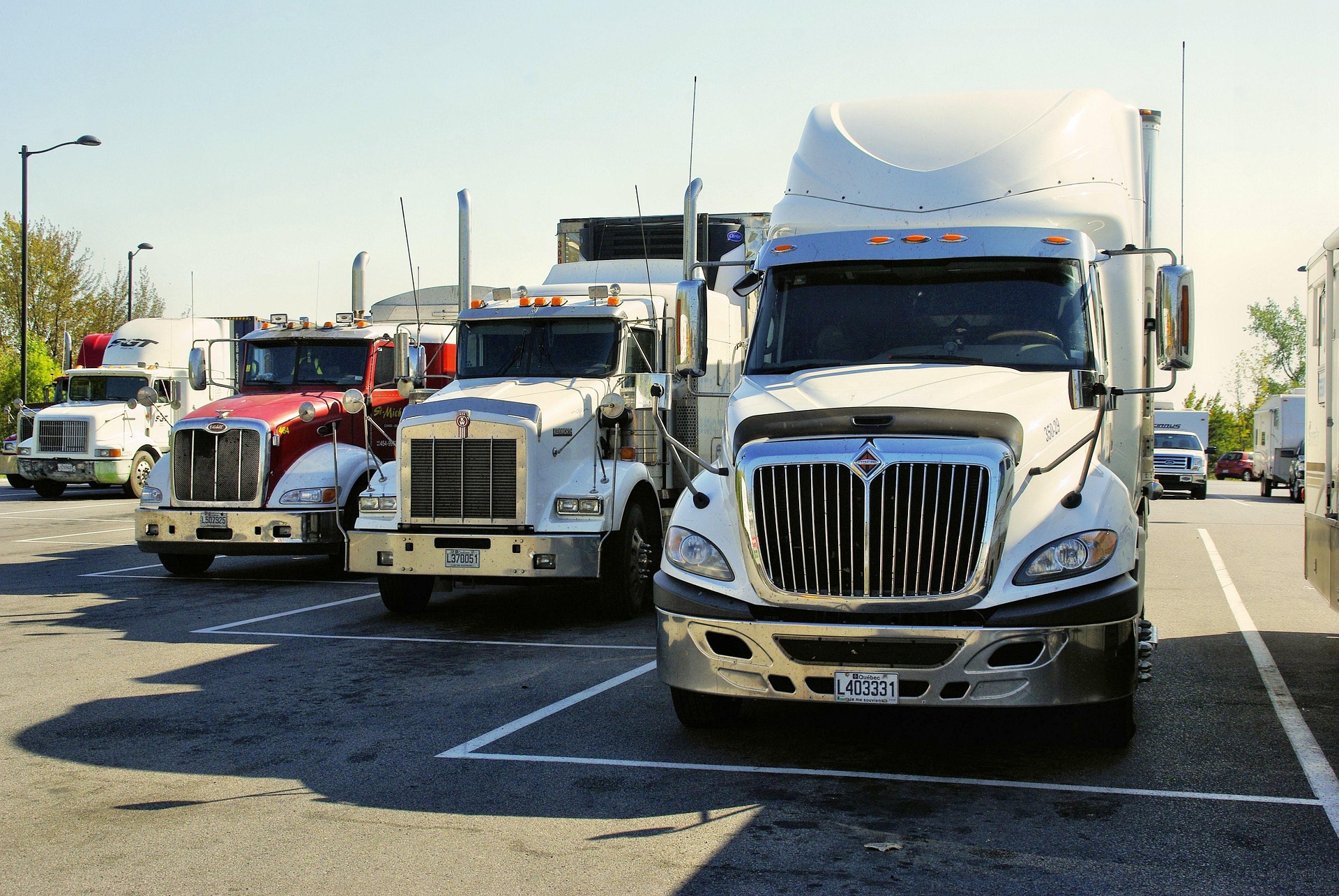
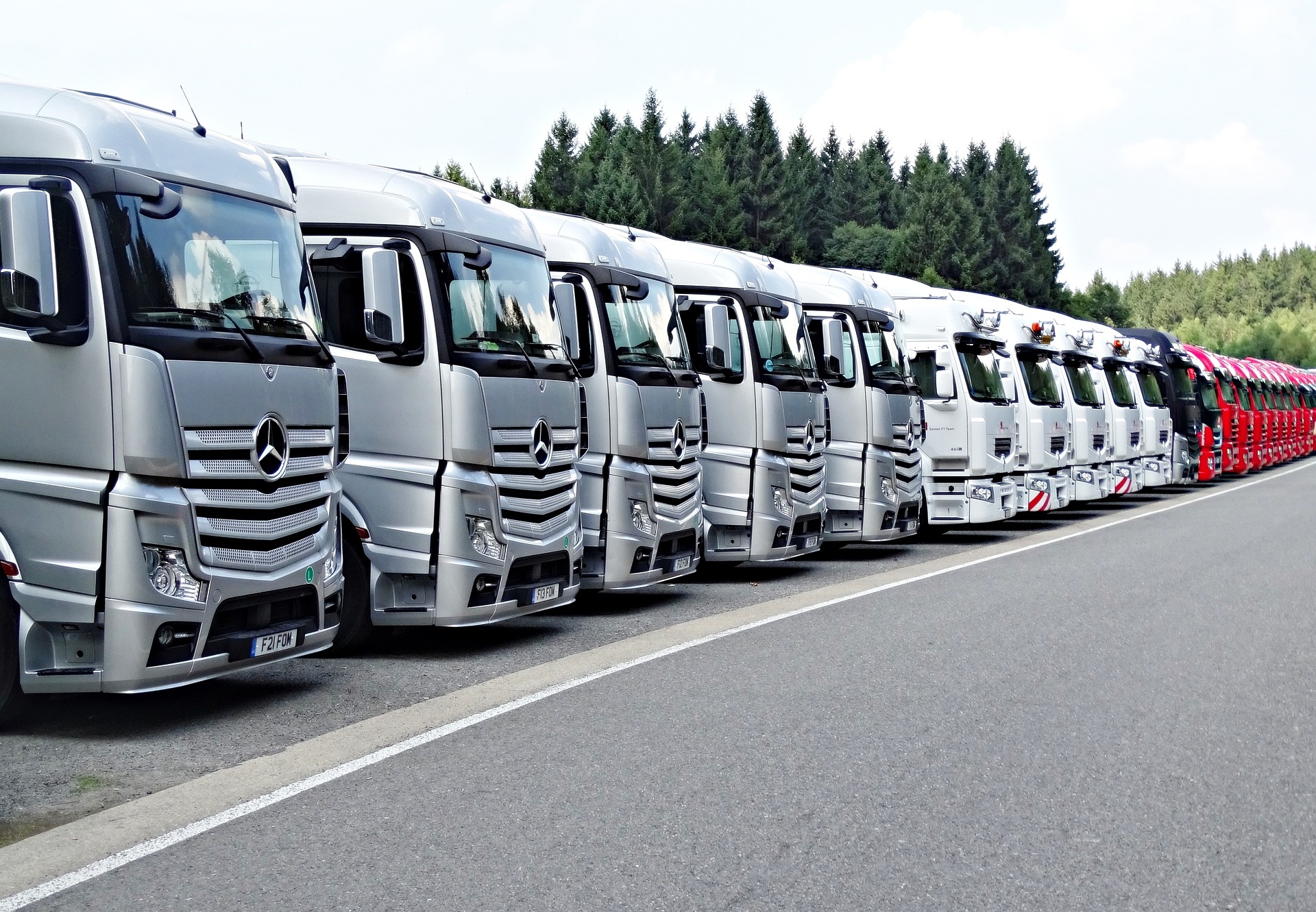
Farrell Furniture, a leading provider of eco-conscious furniture solutions, has announced a significant milestone in its sustainability journey by transitioning its entire fleet of vehicles to Hydrotreated Vegetable Oil (HVO) biofuel. This shift aligns with the company’s mission to reduce carbon emissions and operate more sustainably. With up to a 90% reduction in CO2 emissions compared to traditional diesel, this move highlights Farrell’s commitment to protecting the environment while maintaining the high standard of service its customers expect.

At VURDHAAN, we are passionate about helping companies like Farrell achieve their sustainability goals. Our expertise in biofuels and sustainable fleet management ensures that businesses can seamlessly adopt greener practices without compromising efficiency.

HVO Biofuel: A Sustainable Solution for Transportation
HVO biofuel, derived from renewable resources such as waste oils and fats, offers a greener alternative to conventional diesel. It produces significantly fewer emissions, including CO2, particulate matter, and nitrogen oxides (NOx), contributing to better air quality and reduced environmental impact. Importantly, HVO can be used in existing diesel engines without requiring modifications, making it an ideal choice for companies like Farrell Furniture looking to decarbonize their fleet operations without disrupting daily operations.

Jerome Durnin, Continuous Improvement Lead at Farrell, explains the seamless transition: “Switching to HVO was an easy choice for our green initiative. It cuts our carbon emissions by 90% and increases fuel efficiency, with no need for engine modifications.”

At VURDHAAN, we help companies explore and implement advanced biofuels like HVO. By integrating renewable fuel solutions into their logistics operations, businesses can significantly reduce their carbon footprint while maintaining operational flexibility.

Sustainability at the Core of Farrell’s Operations
Sustainability has long been a core value at Farrell Furniture, with initiatives ranging from eco-conscious furniture production to waste reduction and energy efficiency in manufacturing. The switch to HVO biofuel in their fleet operations marks another critical step toward reducing their environmental impact. This move complements Farrell’s broader sustainability goals, which include responsibly sourcing materials and reducing waste across its production processes.

As Joint-CEO Brendan Farrell notes, “Sustainability has always been central to our business, and switching to HVO reflects our ongoing commitment to minimizing our environmental impact. We believe businesses have a responsibility to lead the way in adopting greener technologies.”

At VURDHAAN, we work closely with companies like Farrell to create comprehensive sustainability strategies. From adopting biofuels to improving energy efficiency, we provide tailored solutions that help businesses meet their environmental targets and drive meaningful change.

Balancing Environmental Responsibility with Operational Efficiency
Farrell’s decision to switch to HVO biofuel was driven by two key factors: environmental responsibility and operational efficiency. By adopting HVO, Farrell can significantly reduce its carbon emissions while maintaining the performance and reliability of its fleet. The company has also observed increased fuel efficiency, allowing its vehicles to travel more miles per tank, which further supports its sustainability goals.

While HVO is slightly more expensive than diesel, the long-term benefits of reduced wear on the fleet and lower emissions outweigh the initial costs. This shift proves that sustainability and business success can go hand in hand, enabling Farrell to reduce its carbon footprint without compromising on service quality.

At VURDHAAN, we specialize in helping companies balance sustainability with cost-effectiveness. Our expertise ensures that businesses can adopt greener technologies while maintaining high levels of operational efficiency.

Inspiring a Greener Future for All
Farrell’s transition to HVO biofuel not only reflects its dedication to sustainability but also serves as an inspiration for other businesses. By demonstrating that it’s possible to reduce emissions without sacrificing performance or customer satisfaction, Farrell hopes to encourage other companies to explore alternative fuel sources and adopt more sustainable practices.

Brendan Farrell urges other businesses to follow suit: “We encourage others to join us in adopting greener technologies. Together, we can make a significant difference in addressing climate change.”

At VURDHAAN, we share this vision of a greener future. We partner with companies across industries to create actionable sustainability strategies, from biofuel adoption to energy-efficient operations. Together, we can drive the shift towards a more sustainable and environmentally responsible world.

Conclusion: Paving the Way for Sustainable Fleet Operations
Farrell Furniture’s switch to HVO biofuel marks a significant step in its sustainability journey and reinforces its commitment to reducing its carbon footprint. By embracing renewable fuels and integrating greener practices across all areas of the business, Farrell is setting an example for others to follow. This transition not only supports the company’s environmental goals but also showcases how businesses can achieve success while prioritizing sustainability.

At VURDHAAN, we are proud to support companies like Farrell in their sustainability efforts. Our expertise in sustainable fuel solutions and emissions reduction strategies ensures that businesses can lead the way in creating a greener, more sustainable future.
Source

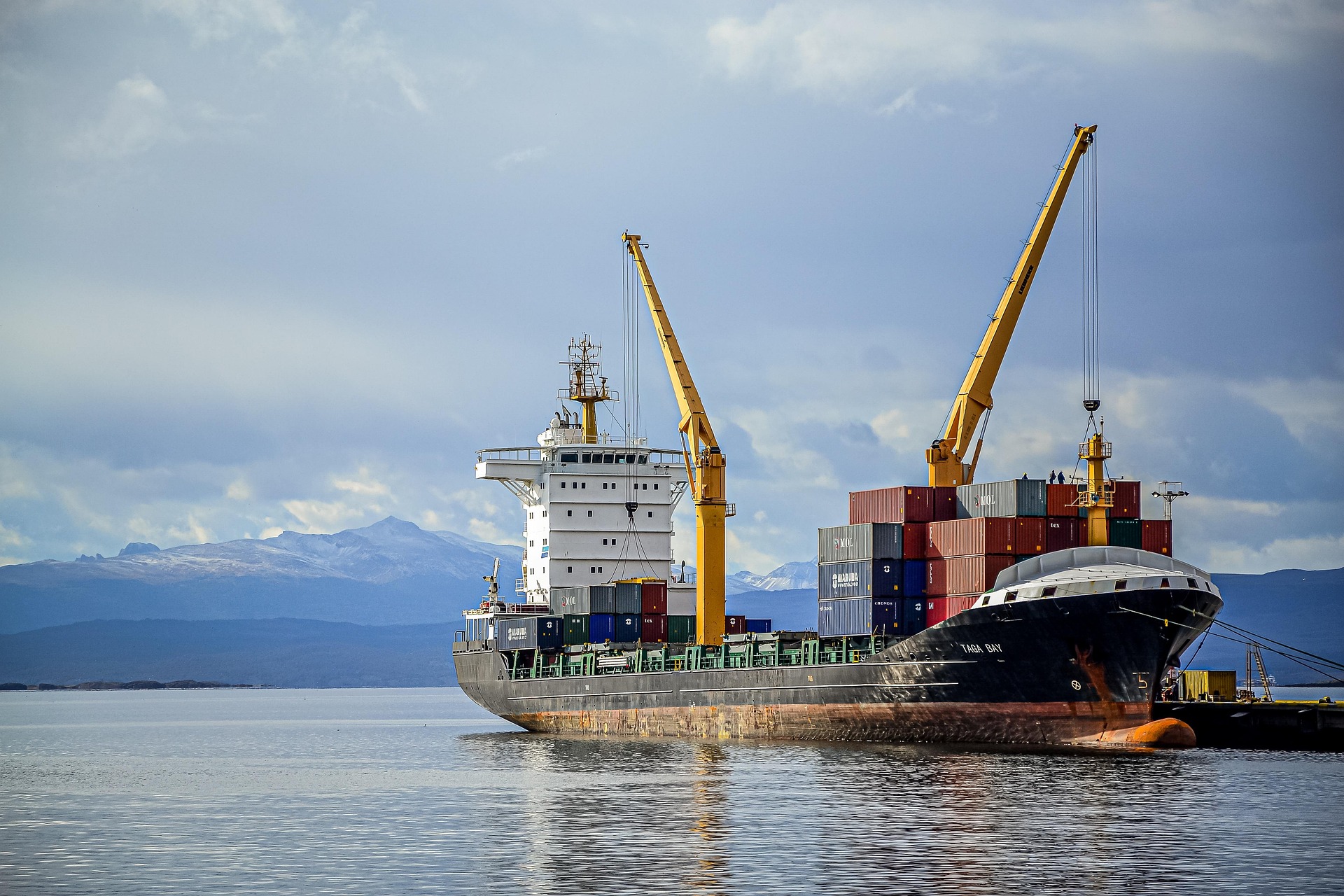
FuelEU Maritime Initiative: Preparing for the Future of Low-Carbon Shipping

As the maritime industry faces increasing pressure to decarbonize, the European Union’s FuelEU Maritime Initiative (FEUM) is set to come into force in January 2025, marking a significant step towards reducing greenhouse gas (GHG) emissions. Part of the EU’s broader “Fit to 55” strategy, FEUM will require shipping companies to comply with progressively stringent emissions reduction targets. By encouraging the use of renewable and low-carbon fuels, this regulation aims to drive the maritime sector toward a greener future.

At VURDHAAN, we specialize in supporting maritime companies in navigating sustainability regulations like FEUM. Our expertise helps stakeholders meet compliance requirements and embrace low-carbon strategies that align with their long-term sustainability goals.

An Overview of FuelEU Maritime
The FEUM regulation applies to all ships over 5,000 gross tonnes (GT) that visit EU ports, regardless of their flag state. The regulation sets annual GHG intensity reduction targets based on a “well-to-wake” approach, meaning emissions are calculated from fuel production through to combustion onboard. Ships must reduce their GHG emissions by 2% starting in 2025, with incremental targets leading to an 80% reduction by 2050.

FEUM also allows for the pooling of emissions among vessels and includes mechanisms for banking surplus emissions compliance for future years. This flexibility will enable shipping companies to balance their emissions more efficiently and spread the burden across their fleet.

At VURDHAAN, we help shipping companies optimize compliance strategies, including fuel-switching solutions and energy-saving technologies, ensuring they are well-positioned to meet the evolving demands of FEUM.

Compliance and Penalties: A Collaborative Approach
Under FEUM, vessels that comply with the regulation will receive a FuelEU Maritime Document of Compliance (FEUM DOC), which certifies that their GHG intensity falls within the required limits. However, non-compliance will result in financial penalties based on a ship’s emissions excess, and repeat offenders could face more severe consequences, including detention or expulsion orders from EU ports.

While FEUM is designed to encourage compliance through financial penalties, it also offers opportunities for collaboration within the industry. Ship owners and operators can pool emissions from multiple vessels, allowing efficient ships to offset the higher emissions of older vessels. This approach creates an opportunity for shipowners to partner and share the benefits of compliance.

At VURDHAAN, we assist maritime stakeholders in structuring pooling arrangements and managing emissions surpluses, providing strategic advice on how to maximize the value of compliance while minimizing penalties.

The Impact on Chartering Agreements
FEUM’s compliance requirements will significantly impact charterparty and ship management agreements. The document of compliance (DOC) holder—often the vessel’s manager—bears the responsibility for penalties related to non-compliance. However, operational decisions affecting emissions are usually made by the shipowner or charterer, raising questions about how penalties will be shared and addressed contractually.

Charterparty agreements will need to be updated to address the allocation of costs for fuel-switching, emission deficits, and surpluses. This includes determining how the benefits of compliance surpluses—such as reduced emissions—should be divided between parties. Likewise, mid-term changes in vessel ownership or management may complicate compliance, requiring cooperation between current and former DOC holders.

VURDHAAN offers tailored solutions to help shipowners, charterers, and managers negotiate these agreements effectively, ensuring that all parties are protected and prepared for FEUM compliance.

Opportunities for the Maritime Industry
While the FEUM regulation introduces new challenges, it also presents opportunities for the maritime industry to embrace cleaner, more sustainable technologies. The regulation encourages the use of renewable fuels like bioLNG, hydrogen, and methanol, and supports innovations in energy efficiency. These advancements will not only help shipping companies reduce emissions but also create a competitive advantage in the long run.

Moreover, the EU’s integration of FEUM with the Emissions Trading Scheme (EU ETS) and Monitoring, Reporting, and Verification (MRV) regulations aims to reduce administrative burdens and streamline compliance processes. By aligning these regulations, the EU is providing a comprehensive framework that allows shipowners to focus on decarbonization without being overwhelmed by regulatory complexity.

At VURDHAAN, we guide maritime companies through this transition, helping them adopt low-carbon fuels, improve energy efficiency, and integrate renewable energy solutions. Our holistic approach ensures that companies can reduce their environmental impact while optimizing operational performance.

Conclusion: Navigating FEUM Compliance for a Sustainable Future
As the FuelEU Maritime Initiative prepares to come into force in 2025, the maritime industry must adapt quickly to new regulations that prioritize emissions reductions. By understanding the key requirements of FEUM, including its flexibility with pooling and surplus banking, shipping companies can position themselves to meet compliance targets and avoid penalties. However, cooperation among stakeholders—shipowners, charterers, and managers—will be essential to successfully navigate these changes.

At VURDHAAN, we are committed to supporting the maritime industry’s decarbonization journey. From regulatory compliance to innovative fuel solutions, we offer the strategic guidance needed to meet the challenges and opportunities presented by FEUM and beyond.

Source

The Role of Carbon Offsets in Aviation’s Path to Net-Zero: A Key Interim Solution

As the aviation industry faces increasing pressure to reduce its carbon footprint, sustainable aviation fuel (SAF) remains an expensive and scarce option for widespread adoption. However, carbon offsets are emerging as an important interim solution to help airlines meet emissions reduction targets under global initiatives like the Carbon Offsetting and Reduction Scheme for International Aviation (CORSIA). Experts from EcoSecurities and the International Air Transport Association (IATA) discuss how carbon offsets can help the industry bridge the gap while SAF and other technologies develop.

At VURDHAAN, we work with aviation companies to create effective carbon offset strategies that comply with international standards, such as CORSIA, while guiding them toward long-term sustainability goals.

The Urgency of Decarbonizing Aviation
Aviation remains one of the most challenging sectors to decarbonize, contributing around 2% of global carbon emissions. With growing demand for air travel, both passenger and freight, emissions are expected to rise, adding urgency to the industry’s decarbonization efforts. SAF offers significant potential for reducing emissions, but its high cost and limited supply—representing only 0.2% of global jet fuel consumption—means it cannot yet meet the industry’s needs.

Given this situation, carbon offsets provide an interim solution, allowing airlines to balance their emissions by investing in projects that reduce or remove carbon elsewhere. These offsets can help airlines meet regulatory requirements under CORSIA, which mandates that airlines offset emissions exceeding 85% of their 2019 levels for international flights.

At VURDHAAN, we help airlines develop comprehensive decarbonization strategies that include carbon offsets, ensuring they align with CORSIA’s requirements while preparing for the future adoption of SAF and other green technologies.

The Importance of Carbon Offsets Under CORSIA
CORSIA, initiated by the International Civil Aviation Organization (ICAO), is the first global scheme targeting international aviation emissions. Its phased implementation is already underway, with the first phase running from 2023 to 2026. During this time, airlines must offset emissions that exceed 2019 levels, making carbon credits an essential tool for compliance.

Pablo Fernandez, CEO of EcoSecurities, highlights that demand for CORSIA-eligible credits is projected to reach up to 160 million tonnes between 2024 and 2027, while the current supply is much lower, creating a potential supply-demand gap. To avoid rising prices, airlines are encouraged to adopt hedging strategies, such as securing early agreements for carbon credits.

At VURDHAAN, we assist airlines in managing these risks by helping them source high-quality carbon credits and structure long-term offset agreements. Our expertise in navigating global carbon markets ensures that our clients can meet their CORSIA obligations efficiently.

Overcoming Challenges in the Carbon Market
While carbon offsets offer a valuable solution, challenges remain in ensuring the integrity of the credits used. CORSIA requires that carbon credits are certified to prevent double counting and ensure accurate reporting. However, only a few programmes, such as the American Carbon Registry and REDD+ transactions, currently meet these standards, contributing to the limited supply of eligible credits.

The introduction of Article 6 under the Paris Agreement could provide a framework for countries to cooperate on carbon markets, potentially expanding the supply of credits. This development would allow airlines to tap into a broader range of verified credits, ensuring compliance while supporting global emissions reductions.

At VURDHAAN, we are closely monitoring these regulatory changes and assisting airlines in aligning with both CORSIA and emerging frameworks like Article 6. Our goal is to help airlines navigate the complexities of carbon markets while securing sustainable, high-quality credits.

Preparing for the Future: Beyond Offsets
While carbon offsets offer a temporary solution, the long-term decarbonization of aviation will require more sustainable technologies, such as SAF and green hydrogen. SAF, in particular, is seen as a critical component of the aviation sector’s transition to net-zero emissions by 2050. However, current SAF production remains costly and limited, and scaling up will take time.

In the meantime, carbon offsets will continue to play a vital role in bridging the gap, but airlines must also invest in new technologies to reduce their reliance on offsets over time. At VURDHAAN, we support our clients in balancing short-term compliance with long-term innovation, guiding them through the complexities of SAF adoption, fleet upgrades, and infrastructure improvements.

Conclusion: Carbon Offsets as Part of a Holistic Decarbonization Strategy
As the aviation industry works toward its 2050 net-zero goals, carbon offsets will remain an essential tool in the near term. However, to truly decarbonize, the industry must continue investing in SAF, green hydrogen, and other technologies that offer long-term solutions to reducing emissions. By strategically using carbon offsets while supporting the development of sustainable fuel alternatives, airlines can make steady progress toward their sustainability targets.

At VURDHAAN, we are committed to helping the aviation industry navigate this complex journey. From carbon offset strategies to SAF adoption, we provide the expertise and guidance needed to achieve meaningful emissions reductions while preparing for a more sustainable future.

Source

Hong Kong’s Aviation Future Relies on Sustainable Aviation Fuel (SAF): Experts Call for Policy Action

As Hong Kong strives to maintain its status as a global aviation hub, industry leaders and sustainability experts stress the urgent need for sustainable aviation fuel (SAF) policies and investments. With 98% of the aviation sector’s greenhouse gas (GHG) emissions coming from jet fuel use, SAF is seen as critical to decarbonizing the industry. However, the current lack of government incentives in Hong Kong and southern China is hindering progress. To ensure a sustainable future for aviation, policy interventions are required to stimulate SAF demand and ramp up supply

At VURDHAAN, we are actively engaged in supporting the aviation sector’s transition to SAF, providing strategic guidance on emissions reduction, regulatory compliance, and fuel innovation.

The Importance of Government Intervention in SAF Adoption
One of the primary challenges in adopting SAF is the “chicken-and-egg” scenario of low demand and low supply. Without strong government policies to incentivize SAF production and use, the industry cannot achieve the scale necessary to make SAF a viable alternative to conventional jet fuel. Experts, such as Mark Harper, Group Head of Sustainability at John Swire & Sons (HK), believe that clear government policies are essential to maintaining Hong Kong’s competitiveness as an aviation hub.

Currently, 80% of the global SAF supply comes from North America and Europe due to tax incentives and government support. To keep pace with global aviation leaders, Hong Kong needs similar policies to drive investment in SAF infrastructure and production. Chief Executive John Lee’s upcoming policy address is expected to outline steps to promote SAF, with initiatives like simplifying the approval process for transport and storage.

At VURDHAAN, we help aviation companies navigate the evolving landscape of SAF regulations and assist them in implementing sustainable fuel strategies that align with international standards such as CORSIA and ReFuelEU.

Public-Private Collaboration: The Key to Scaling SAF
To accelerate the adoption of SAF, collaboration between the public and private sectors is essential. Tracy Wong Harris, Head of Sustainable Finance for Asia at Standard Chartered Bank, emphasized the need for joint efforts to share costs and risks. This includes investments in refueling and blending infrastructure, which are necessary for SAF to be implemented at scale.

In January, a coalition of 13 stakeholders, including Standard Chartered, Cathay Pacific, and SAF producer Ecoceres, was formed to push for policy support in Hong Kong. The coalition is expected to release its policy recommendations ahead of the Chief Executive’s address, advocating for SAF adoption targets and financial incentives.

Public-private partnerships, like this coalition, are critical for ensuring that the aviation industry can meet its emissions reduction targets. At VURDHAAN, we provide expert advice on building effective collaborations, enabling companies to leverage partnerships that drive innovation and sustainability in aviation.

Global SAF Targets: Setting the Bar for Hong Kong
Other regions have already established clear SAF targets as part of their climate action plans. Beijing aims to use 50,000 tonnes of SAF between 2021 and 2025, while Singapore plans to mandate 1% SAF-blended fuel on all flights by 2026, rising to 5% by 2030. The US government has set ambitious goals to reach 3 billion gallons of SAF annually by 2030, and the European Union has mandated airports to supply at least 2% SAF from 2024, increasing to 70% by 2050.

These targets are crucial benchmarks for Hong Kong to consider as it looks to maintain its role as a global aviation leader. SAF is three to five times more expensive than conventional jet fuel, which highlights the need for financial support and policy frameworks to incentivize both supply and demand.

VURDHAAN works closely with aviation clients to help them align with global best practices in SAF adoption, offering tailored sustainability strategies that meet both local and international standards.

Local SAF Production: Opportunities for Hong Kong
One of the closest SAF production facilities to Hong Kong is located in Jiangsu province, built by Ecoceres, a Hong Kong-based company. The plant’s output grew from 40,000 tonnes in 2022 to 100,000 tonnes in 2023, giving it a 20% share of global production. However, the full potential of SAF production in the region can only be realized with stronger policy support.

By incentivizing local production and streamlining the logistics of SAF distribution, Hong Kong can position itself as a key player in the regional SAF market. This would not only reduce the aviation sector’s carbon footprint but also create economic opportunities in green fuel production.

At VURDHAAN, we help aviation companies explore opportunities to source and implement SAF locally and globally, ensuring they are prepared for future regulations and market shifts.

Conclusion: Policies for a Sustainable Aviation Future
The aviation industry in Hong Kong faces a critical juncture. To remain competitive as a global aviation hub, the city must adopt clear policies that mandate the use of SAF and incentivize its production. Government intervention, public-private collaboration, and investment in infrastructure are all necessary to solve the supply-demand issue and accelerate decarbonization in aviation.

At VURDHAAN, we are dedicated to helping the aviation industry transition to sustainable practices by providing guidance on SAF adoption, compliance with global standards, and strategies to reduce emissions. Together, we can pave the way for a cleaner, greener future for aviation.

Source

FedEx Takes a Major Step Toward Sustainability: Switching from Diesel to HVO in UK Linehaul Operations

FedEx, the world’s largest express transportation company, has announced a significant transition in its UK operations—switching over 170 of its linehaul trucks to Hydrotreated Vegetable Oil (HVO), a renewable fuel alternative to diesel. This move is expected to reduce the company’s carbon emissions by at least 80%, contributing to its long-term goal of achieving carbon-neutral operations by 2040. With a two-year agreement in place to secure four million litres of HVO annually, FedEx is making considerable progress toward sustainable road transport.

At VURDHAAN, we specialize in supporting companies like FedEx in their transition to sustainable fuels. Our expertise in biofuels, fleet electrification, and emissions reduction strategies enables businesses to reduce their environmental impact and align with global sustainability targets.

The Shift to HVO: A Sustainable Solution for Heavy-Duty Vehicles
FedEx’s decision to switch its fleet of tractor-trailer trucks to HVO is a significant milestone in reducing emissions across its UK linehaul operations. The trucks, located at three sites—Parkhouse, Marston Gate, and Atherstone—will now refuel with HVO, a renewable fuel derived from waste vegetable oils. HVO is a drop-in fuel that can replace diesel without requiring modifications to existing vehicles, making it a practical and efficient alternative for reducing emissions in the transportation sector.

The switch to HVO is expected to deliver certified lifecycle carbon emissions savings of at least 80%, a substantial reduction in the company’s overall carbon footprint. This transition follows an earlier trial in the UK and the Netherlands, where FedEx successfully evaluated the use of HVO in its fleet. With this positive outcome, the company has scaled up the use of HVO, allowing its trucks to drive an estimated 36,000 miles each week on alternative fuel.

At VURDHAAN, we actively support companies across the transportation and logistics sectors in adopting cleaner fuels like HVO. Our tailored solutions help businesses transition from diesel to biofuels, reducing their carbon emissions while maintaining operational efficiency.

Reducing Emissions Beyond the Road
In addition to transitioning its linehaul trucks, FedEx is also expanding its use of HVO to ground service equipment (GSE) at the same three UK sites. Sixteen tugs, which are used to reposition trailers, will now be powered by HVO as a diesel alternative. This move highlights the versatility of HVO in reducing emissions across various types of heavy-duty equipment, beyond road vehicles alone.

While battery-electric ground service equipment is becoming more common, the electrification of certain heavy equipment is not always practical due to high energy demands. HVO offers a cleaner alternative where electrification may not yet be feasible, allowing FedEx to continue its decarbonization efforts across all aspects of its operations.

At VURDHAAN, we understand the challenges of transitioning to low-carbon technologies in hard-to-electrify sectors. We work closely with companies to implement hybrid solutions, such as combining biofuels with electrification, ensuring that they can meet their sustainability goals while optimizing their operational capabilities.

The Road to Carbon-Neutral Operations
FedEx’s commitment to using HVO is a key part of its broader sustainability strategy, which aims to achieve carbon-neutral operations by 2040. The company’s road network is vast, making road transport a significant contributor to its overall carbon emissions. By scaling up the use of biofuels like HVO, FedEx is making meaningful strides toward reducing these emissions and setting a precedent for sustainable logistics.

As James Richards, Senior Manager of Road Network Operations UK at FedEx, noted, “The UK is the first country where we’re able to scale the use of HVO in our operations, in what we hope will be a permanent operational change.” This shift reflects FedEx’s proactive approach to sustainability and its commitment to long-term environmental impact reduction.

At VURDHAAN, we support companies in the logistics and transportation sectors in achieving their carbon-neutral goals. Our expertise in fleet electrification, biofuels, and carbon offset strategies helps businesses create comprehensive roadmaps to decarbonize their operations while staying competitive.

Looking Ahead: Scaling HVO and Beyond
FedEx’s decision to adopt HVO across its UK fleet is a positive step toward reducing carbon emissions in the logistics sector. However, the journey to carbon neutrality requires ongoing innovation and collaboration. As more companies explore sustainable alternatives to traditional diesel, the adoption of renewable fuels like HVO will continue to grow.

Additionally, as infrastructure for electric vehicles (EVs) improves and battery technology advances, a combination of biofuels and electrification will be crucial for achieving large-scale emissions reductions across the transportation industry. FedEx’s approach of incorporating both HVO and electric vehicles into its sustainability strategy offers a model for others to follow.

At VURDHAAN, we are committed to helping businesses stay at the forefront of sustainable innovation. Whether through HVO, electrification, or hybrid solutions, we provide the insights and support needed to navigate the complexities of decarbonization in the transportation industry.

Conclusion: A Sustainable Future for Logistics
FedEx’s switch from diesel to HVO is a significant step forward in its sustainability journey, setting a new standard for reducing emissions in the logistics industry. By embracing renewable fuels and expanding the use of HVO across its UK operations, FedEx is demonstrating that it is possible to operate a large-scale road transport network while significantly reducing its environmental impact.

At VURDHAAN, we are proud to work alongside companies like FedEx to drive meaningful progress in emissions reduction. Our expertise in sustainable fuels and fleet management helps businesses across sectors transition to cleaner, more efficient operations, paving the way for a more sustainable future.

Source

Dnata Drives Sustainability at Heathrow with HVO-Powered Fleet

Dnata, a global leader in air and travel services, is accelerating its sustainability journey by transitioning its fleet of 70 Heavy Goods Vehicles (HGVs) at London Heathrow Airport to Hydrotreated Vegetable Oil (HVO). This move marks a significant step in reducing the company’s carbon footprint, cutting emissions from its HGV operations by 77%, which translates to over 2,400 tonnes of CO2e annually. This initiative is part of dnata’s broader goal to reduce carbon emissions by 50% by 2030, demonstrating its commitment to environmental leadership in the aviation sector.

At VURDHAAN, we applaud such efforts and support the adoption of renewable fuels like HVO across sectors. We are actively involved in helping organizations within the aviation industry meet sustainability targets, from implementing sustainable aviation fuels (SAF) to carbon reduction strategies in ground operations.

Transitioning to HVO: A Step Towards Net-Zero
The switch to HVO for dnata’s HGV fleet at Heathrow is a critical milestone in its sustainability roadmap. HVO, a renewable fuel derived from waste vegetable oils, is seen as a cleaner alternative to diesel, offering significant reductions in greenhouse gas emissions. By adopting HVO, dnata is not only cutting emissions but also demonstrating that the transition to greener operations can be achieved without compromising on performance.

This shift is part of dnata’s global strategy to phase out diesel and transition to hybrid, electric, and hydrogen-powered vehicles where infrastructure allows. Currently, 65% of dnata’s fleet in the Netherlands is electric, with impressive figures in the UK, Italy, and Switzerland as well. The company’s strategy highlights the importance of embracing cleaner fuel options, reducing reliance on traditional fuels, and investing in sustainable technologies.

At VURDHAAN, we actively support companies in the aviation sector as they explore renewable fuel options like HVO. Our expertise in sustainable fuels, such as SAF and biofuels for ground operations, ensures our clients can meet their carbon reduction goals efficiently.

Beyond HVO: A Broader Sustainability Strategy
Dnata’s sustainability efforts extend well beyond HVO. The company has made significant investments in its infrastructure, including state-of-the-art cargo centers in Manchester and London that feature solar panels, air-source heat pumps, and electric vehicle charging stations. These facilities not only reduce operational emissions but also align with dnata’s goal of incorporating renewable energy into its day-to-day operations.

The company’s use of biofuels is not limited to the UK; dnata has rolled out similar initiatives in Australia, the Netherlands, and the UAE, where the entire non-electric fleet now runs on biodiesel. These efforts reflect dnata’s commitment to global decarbonization across its operations, setting an example for the aviation sector to follow.

VURDHAAN works closely with businesses to integrate renewable energy and fuel solutions into their operations. Whether it’s through adopting solar energy, using biofuels, or transitioning to electric vehicles, we provide strategic guidance that aligns with global sustainability goals and industry-specific challenges.

The Role of Airports in Decarbonizing Ground Operations
Dnata’s leadership in adopting HVO highlights the critical role that airports and ground handling operations play in the aviation sector’s decarbonization efforts. As airports continue to expand their sustainability commitments, investing in renewable fuel alternatives and green technologies for ground operations will be essential to achieving net-zero emissions targets.

Furthermore, dnata’s investment in airport infrastructure, such as solar-powered cargo centers, is a testament to the broader industry shift towards sustainable energy solutions. These advancements in airport operations are key to reducing the overall carbon intensity of the aviation sector.

At VURDHAAN, we specialize in helping airports and ground handling service providers adopt best practices in sustainability. Our expertise in areas like carbon accreditation, renewable energy integration, and sustainable ground operations ensures that our clients can lead the way in decarbonizing their operations while meeting regulatory requirements and reducing costs.

Verified Progress in Environmental Performance
Dnata’s recent environmental performance report for 2023-24, verified by Verifavia, revealed notable achievements across its global operations. The company recorded an 8% reduction in carbon intensity across airport services, alongside a 22% reduction in travel services and a 26% reduction in catering emissions. These achievements underscore dnata’s ongoing commitment to sustainability and its ability to drive significant environmental improvements across diverse areas of its business.

Such progress demonstrates that with the right strategies and investments, substantial emission reductions are achievable in the aviation industry. At VURDHAAN, we help companies track, verify, and improve their environmental performance through comprehensive sustainability programs that ensure alignment with industry standards and certifications.

Conclusion: Setting a New Standard for Sustainable Aviation Operations
Dnata’s transition to HVO at Heathrow Airport, combined with its global efforts to reduce carbon emissions, sets a new benchmark for sustainable ground operations in the aviation industry. By adopting renewable fuels like HVO and investing in green technologies, dnata is not only lowering its environmental impact but also positioning itself as a leader in the transition to net-zero aviation.

At VURDHAAN, we are proud to support companies like dnata in their sustainability journey. Our expertise in renewable energy, sustainable fuels, and carbon reduction strategies helps businesses in the aviation sector achieve their net-zero goals while driving innovation and operational efficiency.

Source

Fueling the Future: How Hydrotreated Vegetable Oil (HVO) Can Drive Construction’s Net-Zero Journey

As the UK accelerates its path toward ambitious net-zero targets, the construction industry is under pressure to rethink its energy consumption and reduce its carbon footprint. One emerging solution is hydrotreated vegetable oil (HVO), a cleaner, renewable alternative to traditional diesel that could significantly reduce emissions in the sector. Certas Energy, the UK’s largest independent fuel distributor, is championing this shift by offering HVO as a drop-in fuel, allowing construction companies to adopt sustainable practices without costly infrastructure changes.

At VURDHAAN, we work closely with sectors like construction, offering sustainable energy solutions and strategies to help them navigate their transition to net-zero emissions.

The Role of HVO in Construction’s Decarbonisation
The construction sector is a major contributor to the UK’s carbon emissions, with the built environment responsible for around 25% of the national footprint. Given the government’s net-zero targets—an emissions reduction of 78% by 2035 and full net-zero by 2050—the industry faces mounting pressure to transition away from traditional diesel, which powers approximately 300,000 pieces of construction machinery and consumes five million tonnes of fuel annually.

HVO offers a practical solution. Made from renewable waste and residues, it not only cuts CO2 emissions by up to 90% but also boasts a higher cetane number than regular diesel, resulting in more efficient combustion and fewer pollutants. This makes HVO an excellent alternative for construction companies seeking to lower their carbon footprint while maintaining operational efficiency.

At VURDHAAN, we recognize the importance of such innovations. We guide companies in adopting cleaner fuels, such as HVO, that align with evolving regulatory frameworks and sustainability goals. Our expertise extends across sectors, helping clients make informed decisions about decarbonization strategies.

Why HVO is the Best Alternative to Diesel
HVO stands out as a viable alternative to diesel for several reasons. Firstly, it can be used as a direct replacement for diesel without the need for engine modifications, making the transition seamless for construction companies. In addition, HVO produces fewer particulate emissions, which not only reduces air pollution but also extends the lifespan of equipment, lowering maintenance costs.

Certas Energy also combines HVO with AdBlue, a diesel exhaust fluid used alongside selective catalytic reduction (SCR) technology to further reduce harmful nitrogen oxides by up to 90%. Together, HVO and AdBlue offer construction companies a robust solution to lower emissions without compromising performance.

This ready-to-use approach is critical for sectors like construction, where downtime can be costly. By switching to HVO, companies can continue their operations smoothly while contributing to the broader goal of decarbonization. At VURDHAAN, we support such transitions, helping businesses integrate sustainable fuel options into their existing operations without disruption.

Addressing Idle Time and Emissions
Idle time is a lesser-known but significant contributor to emissions in the construction sector. Industry data suggests that construction machines can sit idle for 40% to 60% of their operational time, leading to unnecessary fuel consumption and emissions. By adopting policies that limit idle time and implementing auto shutdown features, companies can reduce both emissions and fuel costs, boosting operational efficiency.

While VURDHAAN helps clients adopt cleaner fuels like HVO, we also encourage businesses to implement operational improvements such as idle time reduction to maximize sustainability efforts. These steps, while often overlooked, can deliver substantial emissions reductions and cost savings.

The Challenge of Electrification in Construction
Although electric vehicles (EVs) are a promising solution for reducing emissions, the construction sector faces unique barriers to electrification. The high cost of batteries, lack of widespread charging infrastructure, and concerns over the sustainability of lithium-ion batteries present ongoing challenges. Additionally, for energy-intensive machines such as excavators, battery power alone may not be feasible for long-term use.

In such cases, HVO offers a sustainable alternative to diesel generators, which are often used to support battery-powered equipment on construction sites. HVO can be used in generators to provide cleaner energy, bridging the gap between the current reliance on fossil fuels and the future of fully electrified construction operations.

At VURDHAAN, we guide clients in exploring hybrid solutions that combine cleaner fuels with emerging technologies like electrification. Our expertise ensures that businesses can meet immediate sustainability goals while preparing for the long-term energy transition.

The Future of Construction: A Pathway to Net-Zero
The UK construction industry is at a critical turning point. Alternative fuels like HVO present an immediate, practical solution to meet emissions reduction targets. Beyond compliance with regulations, embracing HVO and other renewable fuels positions companies as sustainability leaders, allowing them to reduce operational costs and contribute to a cleaner environment.

HVO, combined with technologies like AdBlue, offers a drop-in solution that doesn’t require massive infrastructure changes. This ease of adoption makes it a valuable tool for construction companies looking to decarbonize while maintaining productivity. By adopting these solutions now, the construction industry can play a pivotal role in driving the UK towards its net-zero future.

At VURDHAAN, we are committed to helping construction companies and other high-emission industries navigate the complexities of decarbonization. Through our holistic approach, we ensure that our clients can meet regulatory demands, reduce their environmental impact, and unlock new business opportunities through sustainable practices.

Conclusion: Building a Sustainable Future with HVO
As the UK pushes forward with its net-zero ambitions, the construction industry must adapt quickly to meet its emissions reduction goals. Hydrotreated vegetable oil (HVO) offers an immediate, effective solution for reducing the sector’s carbon footprint. With its ease of use and significant emissions benefits, HVO is paving the way for a greener, more sustainable future in construction.

At VURDHAAN, we are proud to support industries in this transition, offering expertise in sustainable fuel adoption and strategic guidance to meet evolving regulatory requirements. Together, we can build a net-zero future, one sustainable innovation at a time.

Source

IMO Moves Closer to Global Net-Zero Framework for Shipping

In a significant step forward for the maritime industry, the International Maritime Organization (IMO) has announced major progress in its negotiations to establish a global net-zero framework. During the 82nd session of the Marine Environment Protection Committee (MEPC), held in London, a draft legal text was produced, integrating proposals from member states and organizations on amendments to MARPOL Annex VI. These amendments aim to introduce “mid-term measures” for reducing greenhouse gas (GHG) emissions, marking a critical milestone toward achieving net-zero emissions by 2050.

At VURDHAAN, we actively work with maritime stakeholders to support their transition to greener practices by providing expertise on MARPOL compliance and sustainable fuel adoption, helping companies stay ahead in the evolving regulatory landscape.

Key Developments from the IMO Session
One of the key outcomes of the IMO meeting was the development of a draft text that will serve as the foundation for future negotiations on GHG reduction measures. Among the proposed measures is a goal-based marine fuel standard, which would phase in the mandatory use of low-GHG intensity fuels. This standard, combined with a global maritime GHG emissions pricing mechanism, is expected to accelerate the industry’s shift to more sustainable fuel options, supporting the goal of net-zero emissions by 2050.

The International Chamber of Shipping (ICS) has welcomed the IMO’s progress but stressed the need for further work before the framework can be adopted. ICS expressed satisfaction that the concept of a universal GHG contribution by ships, based on CO2 emissions per tonne, remains under consideration. With support from a majority of IMO member states, which control a significant portion of the world’s shipping tonnage, the momentum toward a net-zero framework continues to build.

A Path Toward Global Decarbonisation
The proposed amendments to MARPOL Annex VI represent a crucial part of the maritime industry’s efforts to decarbonize. The draft text introduces not only stricter fuel standards but also considers the creation of an IMO GHG intensity registry and a fund to facilitate the implementation of technical and economic measures for reducing emissions. These initiatives reflect the growing consensus within the international community that coordinated action is needed to achieve net-zero emissions in the shipping sector.

At VURDHAAN, we work closely with shipping companies to help them navigate MARPOL regulations and adopt cleaner fuels like bioLNG, methanol, and hydrogen-based solutions. We provide strategic guidance to ensure that our clients are well-positioned to comply with the evolving GHG reduction measures and make meaningful progress toward their sustainability goals.

Progress, but More Work Ahead
Despite the promising advancements made during the recent IMO session, the road to finalizing the net-zero framework remains complex. While the base text for amendments to MARPOL Annex VI is in place, further discussions and negotiations are expected before the framework can be formally adopted. The ICS emphasized that governments need to continue working on the details, particularly when it comes to ensuring that carbon pricing mechanisms are effective and equitable across the global shipping industry.

One critical area of focus during the discussions was the need to address anomalies within the Carbon Intensity Indicator (CII), a key element of the IMO’s decarbonization efforts. The CII has been met with criticism from some parts of the industry due to perceived inconsistencies, and the MEPC has committed to resolving these issues as part of the broader net-zero framework.

At VURDHAAN, we understand that decarbonization is a long-term commitment that requires continuous adaptation. We support our clients by helping them implement measures to improve their carbon intensity scores and adopt technologies that will future-proof their operations as the industry moves toward stricter environmental standards.

Looking Ahead: What’s Next for the IMO’s Net-Zero Framework
As the maritime industry looks toward the future, the IMO’s efforts to establish a global net-zero framework will be pivotal in shaping the sector’s decarbonization journey. With the next MEPC session scheduled for April 2025, further progress is expected as member states refine the proposed amendments and work toward final approval.

Once adopted, the new measures will likely reshape the shipping industry, with fuel standards, carbon pricing, and emissions tracking becoming integral components of maritime operations. The IMO’s secretary-general, Arsenio Dominguez, expressed confidence that an agreement will be reached in the next session, allowing for the adoption of the amendments in October 2025.

At VURDHAAN, we are committed to supporting the maritime industry through these regulatory changes. Our comprehensive approach to sustainability ensures that our clients can meet current and future compliance requirements while making meaningful strides toward reducing their carbon footprint.

Conclusion: Building a Sustainable Future for Shipping
The IMO’s progress on developing a global net-zero framework marks an important milestone for the shipping industry’s decarbonization efforts. While challenges remain, the momentum is clearly building toward a more sustainable future for maritime operations. As regulations evolve, the industry will need to adopt innovative technologies and cleaner fuels to meet the ambitious net-zero targets set for 2050.

At VURDHAAN, we are proud to play a role in this transition. Our expertise in regulatory compliance, sustainable fuel adoption, and carbon reduction strategies allows us to guide maritime companies toward greener practices and long-term success in a low-carbon world.

Source

EU ETS and the Shipping Industry: Navigating Decarbonisation and Complexity

As the maritime sector confronts growing pressure to reduce carbon emissions, the European Union’s Emissions Trading System (EU ETS) has emerged as a key mechanism in driving decarbonisation. However, its introduction into shipping has stirred debate. While some see it as an essential step towards reducing emissions, others view it as a burden due to added costs and regulatory complexity. At the recent Maritime Decarbonisation Europe conference in Amsterdam, industry leaders shared their perspectives on the impact of the EU ETS, revealing a mix of challenges and opportunities.

At VURDHAAN, we actively support maritime stakeholders by offering guidance on regulatory compliance and decarbonisation strategies, helping companies adapt to the evolving landscape shaped by regulations like the EU ETS.

Driving Decarbonisation or Adding Costs?
A key discussion at the conference centered on whether the EU ETS truly promotes decarbonisation or simply adds financial pressure on shipping businesses. Bharat Nayar of Stolt Tankers noted the industry’s concerns about carbon leakage, where businesses move emissions to jurisdictions with less stringent regulations. “Is it just the cost of carbon, or is it really driving decarbonisation?” Nayar asked, reflecting the uncertainty many stakeholders feel.

While some shipping companies view the system as an added expense, others see it as a necessary push toward sustainability. Despite initial resistance, the shift toward reducing emissions is inevitable. With the deadline for full compliance set for 2025, many companies are adopting a “wait and see” approach as they formulate long-term strategies to meet EU ETS requirements.

VURDHAAN plays a crucial role in helping companies navigate this period of uncertainty. We assist maritime businesses in aligning their operations with regulatory frameworks like the EU ETS, providing expertise on fuel switching and the adoption of low-carbon technologies.

The Role of Ports in Decarbonisation
While shipping companies are adjusting to the EU ETS, port authorities are positioning themselves as pivotal players in the decarbonisation journey. At the conference, Abhishek Nair from PortXChange highlighted how ports can act as catalysts for emissions reductions, not just in their operations but across the shipping supply chain. However, the need for greater digital collaboration and control over operations within ports remains a challenge.

Ports are eager to take a more active role, but achieving this requires better coordination between departments and stakeholders. At VURDHAAN, we work with ports to enhance their role in driving sustainability, ensuring they are equipped with the tools and strategies needed to support decarbonisation across the maritime sector.

Transparency and Carbon Pricing Concerns
Another concern raised at the conference was the transparency of carbon permit pricing under the EU ETS. Nicola Williams of OPIS noted that many stakeholders are uncertain about how rising carbon prices will affect their future operations. Without clearer mechanisms for predicting and managing these costs, shipping companies are finding it difficult to incorporate the system into their financial planning.

The projected increase in carbon permit prices adds to the urgency for companies to adapt. At VURDHAAN, we help clients stay ahead of these developments by offering strategic advice on managing compliance costs, securing carbon credits, and integrating the EU ETS into their broader financial planning.

LNG-Powered Vessels and Future Fuels
The potential of LNG-powered vessels in decarbonisation was another key focus at the conference. Pablo García of Balearia discussed the optimism surrounding LNG as a short-term solution for reducing emissions. However, the long-term viability of LNG, particularly synthetic LNG and bio-LNG, remains uncertain.

Shipping companies are exploring various fuel options, but the path forward is not without challenges. VURDHAAN helps maritime stakeholders explore and implement alternative fuel solutions, including bioLNG, to reduce emissions and comply with regulations like the EU ETS and FuelEU Maritime.

A Complex Road Ahead for Compliance
As the EU ETS reshapes the shipping industry, compliance strategies are becoming more complex. Rachel Hoyland of Stephenson Harwood noted that the regulatory landscape has broadened to include a growing number of stakeholders, from fuel producers to technology providers. While this increases complexity, it also underscores the importance of collaboration in driving decarbonisation.

The general consensus from the conference was that while the EU ETS is a critical step towards reducing emissions, it cannot stand alone. The industry needs a global framework, such as one led by the International Maritime Organization (IMO), to harmonize regulations and create a level playing field.

At VURDHAAN, we understand the complexities of compliance and offer tailored solutions to help companies meet their decarbonisation goals. Our comprehensive support ensures that maritime businesses are prepared to navigate both regional regulations like the EU ETS and global initiatives.

Conclusion: Adapting to the Future of Shipping
The EU ETS is undoubtedly reshaping the shipping industry, but its full impact remains uncertain. While some stakeholders see the system as an essential tool for decarbonisation, others are concerned about the financial burden and regulatory complexity it introduces. As the maritime sector adapts to these changes, proactive planning, collaboration, and innovation will be key to achieving long-term sustainability.

At VURDHAAN, we are committed to helping maritime companies embrace these challenges and turn them into opportunities. Whether it’s through compliance with the EU ETS, adopting low-carbon technologies, or exploring alternative fuels, we offer the expertise needed to succeed in this evolving regulatory landscape.

Source

Navigating FuelEU Maritime: Opportunities for Greek Shipping to Turn Penalties into Sustainable Gains

The upcoming FuelEU Maritime regulation, set to take effect in 2025, is already making waves in the shipping industry. Designed to increase the share of renewable energy in shipping, the new law could cost Greek shipping companies a hefty €175 million in penalties. With segments like oil tankers, RoPax vessels, cargo ships, and containerships particularly at risk, the financial impact of non-compliance is significant.

However, experts stress that this challenge could be turned into an opportunity. By adopting biofuels, low-carbon technologies, and leveraging mechanisms like FuelEU pooling, shipping companies can minimize penalties and even generate revenue. At VURDHAAN, we work closely with maritime stakeholders, helping them implement sustainability strategies and navigate regulations such as FuelEU Maritime to reduce penalties and build a greener future.

FuelEU Maritime: A New Era for Shipping
The FuelEU Maritime regulation aims to reduce carbon emissions from the shipping industry by increasing the use of renewable energy sources, such as biofuels and low-carbon technologies. Starting in 2025, this regulation will apply to all vessels operating within EU waters, requiring them to comply with strict emissions reduction targets.

OceanScore’s analysis indicates that Greek shipping companies will be particularly affected, with total penalties estimated at €175 million. The largest shipping company alone could face an overall penalty of €11.75 million, while the average vessel penalty is expected to be €309,200. These figures highlight the need for early action and strategic planning to mitigate the financial burden.

Turning Penalties into Opportunities: The Role of Biofuels and Low-Carbon Technologies
While the penalties may seem daunting, they also present an opportunity for companies willing to adopt greener practices. According to Ralf Garrn, Co-Managing Director of OceanScore, vessels with higher penalties can benefit the most from switching to biofuels or low-carbon technologies. By doing so, they can reduce their penalties significantly and, in some cases, create surplus compliance credits that can be monetized through the FuelEU pooling mechanism.

Biofuels, in particular, offer a viable solution for many shipping companies. These renewable fuels can replace traditional fossil fuels with minimal adjustments to existing engines, making them an attractive option for companies looking to reduce both emissions and penalties. Moreover, the shift to biofuels aligns with global efforts to decarbonize the shipping sector and meet international climate goals.

At VURDHAAN, we specialize in helping maritime companies integrate biofuels into their operations. We offer guidance on compliance with regulations like MARPOL and EU MRV, while also supporting companies in identifying cost-effective biofuel solutions. Our expertise ensures that companies can not only avoid penalties but also capitalize on the benefits of green shipping.

Leveraging the FuelEU Pooling Mechanism
One of the key features of the FuelEU Maritime regulation is the introduction of a pooling mechanism, which allows shipping companies to pool their compliance efforts and create compliance surpluses. These surpluses can then be traded, turning potential penalties into revenue opportunities.

For companies with vessels that incur high penalties, switching to biofuels or implementing low-carbon technologies can not only reduce fines but also generate surplus credits. These credits can be sold to other operators who are struggling to meet their compliance targets, offering a financial incentive for early adopters of green technologies.

This system encourages collaboration between shipping companies and promotes the sharing of resources to meet collective emissions reduction goals. At VURDHAAN, we help shipping companies navigate this mechanism, ensuring that they understand how to maximize its benefits and turn regulatory challenges into profitable outcomes.

The Bigger Picture: Decarbonizing Shipping for a Sustainable Future
While the financial implications of FuelEU Maritime are significant, they represent a small part of the larger global movement towards decarbonizing the shipping industry. Shipping is responsible for around 2-3% of global CO2 emissions, and with international trade expected to grow, the sector must make significant strides in adopting cleaner fuels and technologies.

The FuelEU Maritime regulation is just one piece of the puzzle. Initiatives like the Clean Shipping Index and the International Maritime Organization’s (IMO) greenhouse gas strategy also play a crucial role in pushing the industry towards sustainability. For shipping companies, the pressure to decarbonize is mounting, but so too are the opportunities to innovate and lead the charge in green shipping.

VURDHAAN is at the forefront of this transition, providing support to companies in the maritime sector as they work towards achieving their sustainability goals. We offer a comprehensive approach, helping companies meet regulatory compliance, adopt renewable fuels, and implement low-carbon technologies. Through strategic planning and expert guidance, we enable our clients to not only meet current regulations but also position themselves for long-term success in a carbon-neutral future.

Conclusion: Adapting to FuelEU Maritime for Sustainable Growth
The €175 million penalty looming over Greek shipping companies under the FuelEU Maritime regulation is a stark reminder of the need for early action. While the cost of non-compliance is high, the potential benefits of adopting biofuels and low-carbon technologies are even greater. By reducing their reliance on fossil fuels and embracing renewable energy, shipping companies can avoid penalties, create compliance surpluses, and turn regulatory challenges into growth opportunities.

At VURDHAAN, we are committed to supporting the maritime industry as it navigates these changes. Our expertise in sustainability, biofuels, and regulatory compliance ensures that companies can meet their obligations while driving positive environmental impact. Together, we can chart a course towards a more sustainable and profitable future for shipping.

Source