
How SAF Certificates Are Revolutionizing Aviation’s Carbon Footprint: A Positive Step Toward Decarbonization

In the ongoing battle against climate change, the aviation industry has faced significant challenges in reducing its carbon footprint. Sustainable Aviation Fuel (SAF) has long been hailed as a promising solution, but logistical and financial hurdles have slowed its adoption. However, the introduction of SAF Certificates (SAFc) offers a new pathway to accelerate aviation decarbonization while addressing many of these challenges.

What Are SAF Certificates?

SAF certificates, or SAFc, represent the environmental benefits of using sustainable aviation fuel. By separating the fuel itself from the emissions reductions it generates, SAFc allows companies to purchase, track, and claim these reductions without needing to buy the physical fuel. This innovative system ensures that the decarbonization potential of SAF is utilized more broadly, helping companies reduce their Scope 1 and Scope 3 emissions.

This distinction is crucial: SAF serves two roles—powering aircraft engines and displacing fossil fuels, which reduces emissions. SAFc enables the measurement and purchase of these functions separately, giving companies and airlines the flexibility to decouple fuel logistics from environmental impact.

Addressing Decarbonization Challenges

The aviation sector faces multiple hurdles on its journey toward decarbonization, including high SAF costs, fuel logistics, and reputational concerns. SAFc provides solutions to each of these:

  1. High Costs: SAF is more expensive to produce than conventional jet fuel, which has long been a barrier for airlines operating on slim margins. Through SAFc, companies outside of aviation can pay for the decarbonization benefits of SAF, offsetting the cost difference. As a result, airlines can purchase SAF more affordably, driving increased use and ultimately reducing the fuel’s price as production scales.
  2. Limited Control Over Jet Fuel: Many companies are responsible for their aviation-related carbon emissions but don’t have control over the type of fuel used on flights. SAFc offers a solution by allowing companies to claim the environmental benefits of SAF, regardless of where it is produced or used. The Book & Claim system ensures transparency and prevents double-counting, making it easier for companies to meet their net-zero goals.
  3. Logistical Issues: SAF is only produced in certain locations, and transporting it over long distances to airports can negate its environmental benefits. With SAFc, companies don’t need to take possession of the physical fuel. The fuel is used close to where it is produced, while the decarbonization benefits are tracked and claimed by the certificate buyer.
  4. Reputation and Greenwashing Risks: In the era of increasing scrutiny, companies are sensitive to accusations of greenwashing. The SAFc system ensures that independent third-party verification and transparent tracking confirm the carbon savings achieved. This minimizes reputational risk while bolstering the integrity of companies’ sustainability claims.
  5. Supply Constraints: One of the biggest hurdles to SAF adoption is the limited production capacity due to high upfront investment costs for refineries. SAFc contracts with long-term commitments offer financial security to these projects, allowing investors to confidently back new SAF production facilities, further accelerating supply.

A Collaborative Path Forward

The SAFc model isn’t just a solution for aviation. It offers a template for other hard-to-abate industries, providing a scalable market mechanism that allows for shared responsibility in carbon reductions. As more companies commit to reducing their carbon footprints, the demand for SAF and SAFc will rise, fueling investment in sustainable fuel production.

At VURDHAAN, we are deeply committed to supporting the aviation sector’s sustainability journey. Through our expertise in programs like CORSIA, SBTi, and Airport Carbon Accreditation, we are actively helping airlines and corporations navigate the complexities of carbon reduction. By working with SAF certificates and other innovative solutions, we aim to drive meaningful change across the industry and help our partners achieve their ambitious climate goals.

A Sustainable Future for Aviation

The introduction of SAF certificates marks a significant milestone in aviation’s decarbonization efforts. This innovative approach not only helps airlines and companies meet their sustainability goals, but it also accelerates the broader transition to cleaner aviation. By overcoming key challenges—such as cost, control, logistics, and supply constraints—SAFc offers a bright, scalable solution that paves the way for a greener future.

At VURDHAAN, we are proud to be at the forefront of these developments, offering strategic guidance and support to organizations eager to reduce their environmental impact. Together, we can turn aviation’s carbon challenges into opportunities for lasting, positive change.
Source

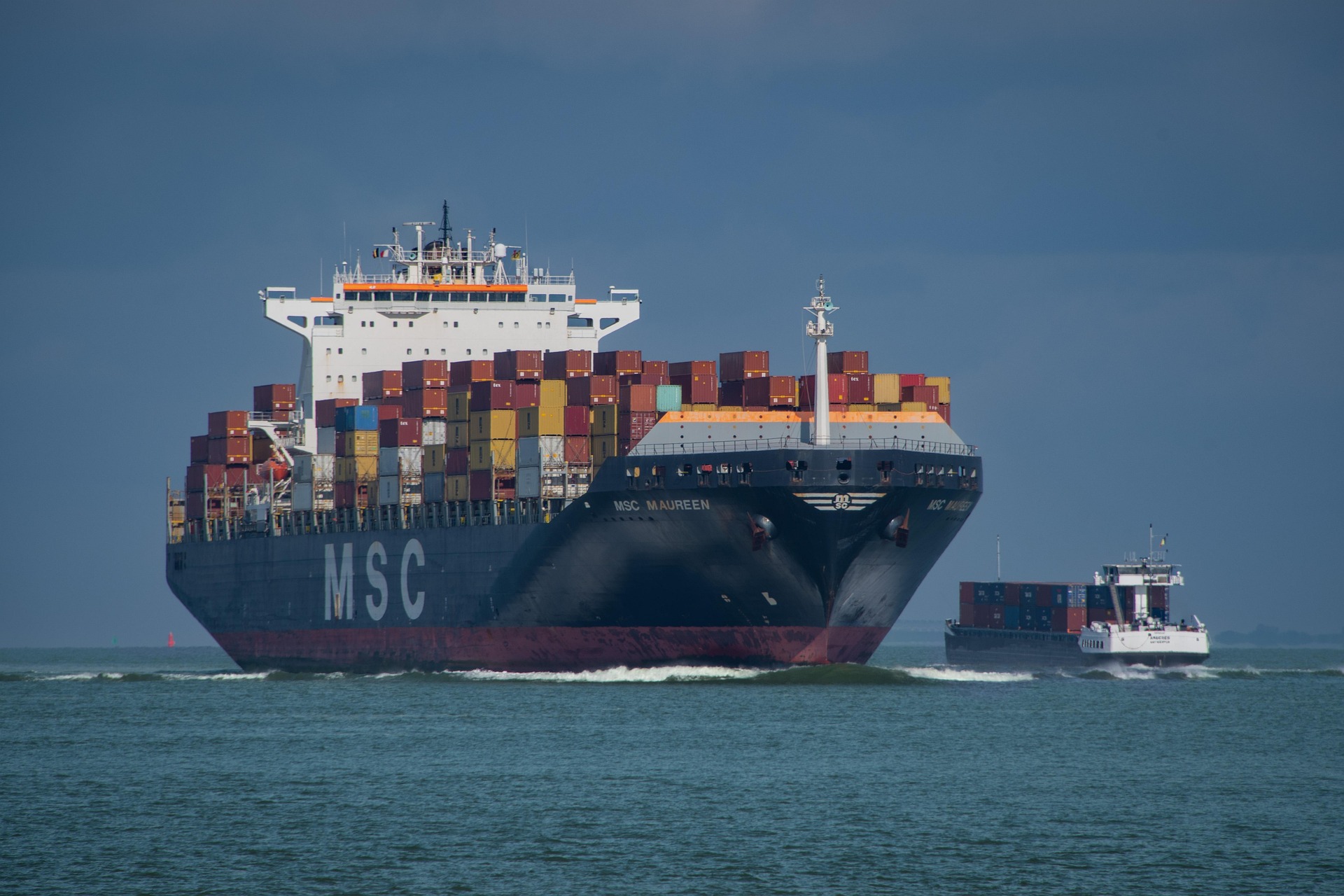
Green Marine Europe Expands Impact on Maritime Sustainability with 2023 Performance Report

The maritime industry’s environmental transition is gaining momentum as Green Marine Europe (GME), an environmental certification program for maritime stakeholders, unveiled its 5th annual performance report. With 66 members across 10 European countries, GME continues to set the bar for sustainable practices within the maritime sector. The program has expanded its reach significantly in just two years, doubling its number of participants and certifying shipyards for the first time in 2023, marking a significant milestone in sustainable shipbuilding.

A Growing Commitment to Sustainability

Green Marine Europe’s latest performance report highlights the strides taken by ship owners, shipyards, and other maritime stakeholders towards a greener future. This year, 28 of the 31 participants have been certified, with the certification extending to new members such as Chantier Naval de Marseille, Lisnave Estaleiros Navais S.A., and Navantia S.A., S.M.E.. These shipyards have embraced the program’s rigorous standards, taking significant steps to minimize their environmental footprint and enhance their operations’ sustainability.

The program is also collaborating on the CirclesOfLife project, funded by the European Union under the Horizon Europe initiative. This project is focused on advancing sustainable shipbuilding across Europe, bringing together 15 shipyards, research institutes, and organizations committed to developing a more eco-friendly maritime industry.

Progress in Reducing Environmental Impact

The GME report emphasizes key achievements, particularly in waste management and air emission reduction. Ship owners participating in the program have made notable progress, with over 50% achieving Level 3 or higher for the reduction of NOx, SOx, and particulate matter emissions. Additionally, around one-third of ship owners have made strides toward greenhouse gas reductions, aligning their operations with the 2050 decarbonization targets.

While the average performance score slightly dipped to 2.5 (on a 1-to-5 scale), this reflects the inclusion of companies newer to the environmental transition, demonstrating the program’s commitment to transparency and continuous improvement. The slight decline underscores the importance of long-term progression over short-term gains, encouraging stakeholders to rigorously engage with the program’s sustainability goals.

Expansion of Green Marine Europe’s Certification Program

With its increasing influence, Green Marine Europe is expanding its certification reach even further. In 2024, the program will begin a test phase for its extension to ports, aiming for a wave of certifications by 2026. This expansion reflects the maritime industry’s growing dedication to sustainability, ensuring that not only ships but also entire port operations align with environmentally responsible practices.

The formation of Green Marine International in 2024 marks a new era for the program. By merging Green Marine Europe and its North American counterpart into a single entity, the program now has a global governance framework, enhancing its reach and influence. This strategic move allows for the continued global expansion of the program while ensuring the integrity and rigor of its certification process.

VURDHAAN’s Role in Supporting Maritime Sustainability

At VURDHAAN, we are actively involved in promoting sustainability within the maritime sector through our expertise in environmental certification programs such as Green Marine and Green Marine Europe. Our team works closely with ship owners, shipyards, and other maritime stakeholders to develop tailored decarbonization strategies that not only meet certification requirements but also drive significant environmental impact reduction. By leveraging initiatives like MARPOL and the Clean Shipping Index, we help maritime companies navigate their sustainability journey effectively.

Through collaboration, innovation, and adherence to evolving environmental standards, we ensure that our partners in the maritime industry can meet the ambitious goals set by programs like Green Marine Europe and achieve sustainable, profitable operations in the long term.

Conclusion

Green Marine Europe continues to grow its influence on the maritime industry’s environmental transition, with its 2023 performance report showcasing significant progress. As the program expands its certification to shipyards and ports, and with the establishment of Green Marine International, the future of sustainable maritime practices looks promising. With more companies embracing the rigorous standards set by the program, the path toward a greener, cleaner maritime industry is clearer than ever.

Source

Space Debris Mitigation: The Next Frontier in Sustainable Space Operations

The space sector is expanding at an unprecedented rate, with large satellite constellations and new space operators joining the global space race. With this growth comes the pressing challenge of space debris, a problem that is gaining attention at international forums like the 2024 International Astronautical Congress (IAC). Themed “Responsible Space for Sustainability,” IAC 2024 highlights the urgent need for better debris mitigation and remediation strategies as national and international standards struggle to keep pace with increasingly complex space operations.

Marlon Sorge, Executive Director of the Aerospace Corp.’s Center for Orbital and Reentry Debris Studies, shared insights on this issue, emphasizing that debris mitigation and sustainability must evolve to address the sector’s rapid expansion without stifling innovation. “We want to understand how to keep the debris problem under control but not stifle all the amazing things that are going on in the space sector,” Sorge said.

Evolving Challenges of Space Debris Mitigation

The growing number of space missions presents a diverse range of concerns for debris mitigation. For instance, organizations launching large constellations of satellites have different sustainability priorities than those operating single, unique spacecraft. In addition, satellites’ varying levels of maneuverability create complexities in collision avoidance protocols, further complicating efforts to establish uniform guidelines.

While there is a shared understanding that debris mitigation is critical, international and commercial stakeholders often have differing goals and policies. To bridge this gap, collaboration is key. Gregory Henning, Engineering Manager at the Aerospace Corp., highlighted the importance of communication between satellite operators, particularly those operating in proximity to each other. “Right now, it’s about having those agreements and open lines of communication,” he explained.

The Importance of Global Cooperation

With so many actors in space, coordinated international efforts are essential. The absence of universal “rules of the road” for space debris management has led to an increased focus on partnerships and dialogue between operators and international bodies. Experts at the IAC agree that advancing technology for debris tracking, detection, and active removal, along with discussions on legal, economic, and policy frameworks, are vital to addressing the growing threat of space debris.

As Sorge aptly pointed out, “We need to systematically talk to each other and systematically try to move forward, because we can’t wait around.”

VURDHAAN’s Role in Space Sustainability

At VURDHAAN, we recognize the critical importance of sustainability in space. Our expertise in Space Debris Mitigation and the Space Sustainability Rating (SSR) positions us as a key player in this evolving field. We work closely with space agencies, defense organizations, and commercial operators to ensure that debris management strategies align with both regulatory frameworks and sustainability goals. Through our collaborative approach, we help stakeholders navigate the complexities of space operations while minimizing environmental impact.

We understand that space sustainability is not just about compliance but about fostering long-term solutions that allow the space industry to thrive responsibly. Whether it’s implementing sustainable design practices or advancing debris removal technologies, we are committed to driving innovation and building a safer, more sustainable future for space operations.

Conclusion

As space exploration and commercial operations continue to grow, so do the challenges associated with space debris. The discussions at IAC 2024 underscore the need for urgent action, global cooperation, and innovative solutions. The future of sustainable space operations will depend on aligning technical advances with collaborative international policies. By addressing these challenges now, the space sector can ensure that its growth is both responsible and sustainable.

Source

GB Railfreight’s Hybrid Class 99 Locomotive: A New Era of Sustainable Transport

In a significant move toward decarbonizing the UK’s transport sector, GB Railfreight (GBRf) has unveiled its hybrid Class 99 locomotive, marking a pivotal moment for the rail freight industry. This new locomotive promises to reduce emissions by up to 58% per journey compared to traditional Class 66 models, positioning it as a sustainable solution for the movement of goods across the UK. These hybrid locomotives are the first heavy-haul freight trains capable of operating efficiently on both electrified and non-electrified rail sections, offering a flexible, greener alternative to existing freight transport options.

A Greener Rail Freight Network

The Class 99 locomotives are expected to play a crucial role in helping the UK meet its carbon reduction targets. The UK moves approximately £30 billion worth of goods by rail each year, and the introduction of these hybrid locomotives will significantly reduce the environmental impact of freight transportation. This advancement aligns with the UK Government’s ambition to become a clean energy superpower, empowering businesses to make more sustainable choices while promoting the shift from road to rail freight.

GBRf’s Class 99 locomotives will not only cut emissions but also increase efficiency by shortening journey times and enhancing the overall operational capacity of the UK’s transport infrastructure. As John Smith, CEO of GB Railfreight, noted, this development is a “game-changing moment” for the UK rail freight industry, helping to make rail the cleanest, safest, and most efficient way to transport goods.

Innovative Partnerships Driving Sustainability

The Class 99 locomotive was designed in collaboration with Beacon Rail and Stadler, who are manufacturing the locomotives at their facility in Valencia, Spain. This collaboration highlights the importance of partnerships in driving innovation and sustainability within the transport sector. Iñigo Parra, CEO of Stadler Valencia, emphasized that the Class 99 is set to encourage a modal shift from road to rail, supporting the UK’s net-zero goals by reducing road congestion and emissions. The first Class 99 locomotive is expected to arrive in the UK by Spring 2025, with the full fleet operational by the end of 2026.

Paving the Way for a Sustainable Future

The unveiling of the Class 99 represents a significant step forward in the decarbonization of the UK’s rail freight industry. As businesses increasingly focus on sustainability, innovations like this will provide the tools needed to transition to greener operations while maintaining efficiency and competitiveness.

At VURDHAAN, we recognize the importance of sustainable transport solutions and are committed to supporting the rail industry through our expertise in decarbonization strategies. We work closely with partners to implement frameworks like the UIC Sustainability Charter and the Green Rail Program, helping rail companies meet ambitious emissions targets. By collaborating with stakeholders across sectors, we ensure that the transition to greener rail systems is not only achievable but also aligned with broader sustainability goals.

Conclusion

GB Railfreight’s investment in hybrid Class 99 locomotives demonstrates that the rail freight industry is ready to embrace sustainability on a large scale. With reduced emissions, increased efficiency, and strong partnerships driving innovation, the future of UK rail freight is undoubtedly greener. As we continue to move toward a net-zero future, advancements like the Class 99 will play a key role in reshaping how goods are transported across the country—sustainably and efficiently.

Source

Has Climate Securitization Slowed Military Decarbonization? A Closer Look at the Challenges Ahead

The climate crisis is undeniably a pressing global issue, and militaries across the world have begun to recognize its far-reaching implications. However, the intersection of climate change and national security is often framed through the lens of “climate securitization,” where climate change is treated as a threat multiplier to national security. While this approach has successfully brought climate concerns into military planning, it has arguably slowed the necessary progress toward decarbonizing military operations.

The UK Royal Air Force (RAF) is one of the few militaries to commit to achieving net-zero emissions by 2040, experimenting with sustainable aviation fuels derived from water and atmospheric carbon. Yet, the significant renewable energy demands required to decarbonize military activities have not been widely discussed. This raises a critical question: Has viewing climate change primarily as a security threat delayed the partnerships and public support essential for rapid military decarbonization?

The Challenge of Military Decarbonization

Decarbonizing military operations is no small feat. The sector is deeply entrenched in fossil fuel dependence, and the long life cycles of military equipment complicate swift transitions to cleaner technologies. Additionally, decarbonizing military aircraft and naval vessels is tied to the progress of civilian sector decarbonization—an equally complex challenge.

Despite these hurdles, the need for rapid action is clear. The climate crisis is accelerating, and militaries must play their part in reducing global emissions. It is estimated that military operations and their supply chains contribute around 5.5% of global emissions. Yet, until recently, military decarbonization has been largely ignored in global climate discourse. If meaningful action had been taken a decade ago, how different would military institutions and their carbon footprints look today?

Building Effective Partnerships for Decarbonization

Military decarbonization requires effective partnerships between the public and private sectors, academia, and civil society. Governments must send clear signals that decarbonization is a priority, enabling the private sector to innovate and collaborate on new solutions. While the defence sector has traditionally been seen as a leader in technological innovation, it is now proposed that institutions like the UK Ministry of Defence act as “fast followers” of civilian decarbonization technologies.

Clear government messaging is key to building these partnerships and ensuring that military decarbonization initiatives receive the attention and resources they need. At VURDHAAN, we have been supporting the defence sector’s shift towards sustainability through frameworks like the NATO Green Defence Framework, ISO 14001, and Sustainable Procurement practices. We help defense organizations integrate innovative technologies and sustainability strategies into their operations, bridging the gap between military needs and decarbonization goals.

Engaging Public Opinion and Avoiding Culture Wars

Public support is essential for any successful decarbonization effort, including within the military. As defence institutions reflect the values of the societies they serve, public understanding and consent for military decarbonization are crucial. Yet, the conversation around military emissions has often been overshadowed by political debates, with some factions labeling environmental initiatives as “woke policies.”

To avoid turning military decarbonization into a casualty of culture wars, governments must communicate the urgency and importance of these efforts. They must clearly outline the challenges involved and highlight how reducing military emissions protects both national security and the environment. Without this transparent communication, there is a risk of public mistrust, greenwashing, and further delays in achieving decarbonization goals.

The Path Forward: Integrating Climate and Security

As global CO2 levels rise and military expenditures continue to increase, the need for military decarbonization becomes more urgent. The international community must recognize that security decisions directly impact climate change, and vice versa. While climate securitization has succeeded in bringing attention to climate risks, it must now evolve to include meaningful action on reducing military emissions.

At VURDHAAN, we are committed to helping defense institutions navigate this complex landscape. Our tailored strategies and compliance frameworks ensure that military organizations can meet decarbonization goals without compromising operational effectiveness. By fostering effective partnerships, enhancing carbon literacy, and engaging public opinion, we aim to support the transition toward a sustainable and secure future for military operations worldwide.

Source

SAF Achieves Significant Reduction in Heat Injuries and Traffic Accidents: A Positive Outlook for 2023

In a continued effort to prioritize safety, the Singapore Armed Forces (SAF) has made remarkable progress in reducing both heat-related injuries and vehicle accident rates in 2023. According to figures presented by Senior Minister of State for Defence Heng Chee How, heat exhaustion injuries among servicemen fell from seven cases in 2021 to just two in 2023, with no incidents of heat stroke reported. Similarly, the vehicle accident rate dropped to 2.54 per 100,000 km, compared to 3.04 per 100,000 km in 2021. These numbers reflect SAF’s commitment to improving safety protocols and creating a healthier, more secure environment for its personnel.

Emphasizing Safety in Heat Management

Heat-related injuries are a significant risk factor for military personnel, especially in regions with tropical climates. To address this, the SAF has been proactive in implementing measures to better manage heat exposure during training and operations. Wet bulb globe temperature sensors have been installed in camps and training areas to monitor environmental conditions in real time, aiding in smarter work-rest decisions to prevent overheating. This technology ensures that commanders can make data-driven choices to minimize the risk of heat exhaustion or more severe injuries.

The SAF has also established the Heat Resilience and Performance Centre, in collaboration with the National University of Singapore and DSO National Laboratories. This center conducts cutting-edge research on soldier heat resilience, ensuring that new insights are applied to improve training regimes and enhance the overall well-being of servicemen.

Vehicle Accident Rate on a Decline

The SAF’s dedication to reducing vehicle accidents is also paying off. Through a combination of enhanced training and the use of advanced technologies, SAF drivers are becoming more proficient and better equipped to handle challenging conditions. The adoption of driving simulators and driving circuits has expanded the range of training scenarios available, helping drivers gain confidence before operating larger vehicles.

Additionally, vehicular proximity sensors, cameras, and driver monitoring systems have been introduced to reduce human judgment errors and detect driver fatigue. These innovations reflect SAF’s commitment to leveraging technology for safer operations, ensuring that safety is integrated into the daily routines of military personnel.

A Holistic Approach to Safety Audits and Reviews

As part of their continuous improvement process, the SAF’s Inspector-General’s Office (IGO) has ramped up its safety audits, conducting 40 to 50 physical reviews annually. These inspections assess everything from safety policies to day-to-day practices, ensuring that units are complying with training safety instructions and commanders are actively focusing on safety outcomes. Notable safety incidents and near-misses are thoroughly investigated to identify root causes and recommend corrective actions, reinforcing the SAF’s “zero accidents” mission.

Looking Ahead: Commitment to Long-Term Safety

While the progress made in 2023 is commendable, the SAF recognizes that the journey toward zero accidents is an ongoing one. Constant vigilance and adaptation are key to maintaining and improving the safety culture within the organization. As technology continues to evolve, SAF will undoubtedly integrate new tools and systems to further reduce risks and enhance the overall safety and resilience of its servicemen.

VURDHAAN’s Role in Promoting Defence Safety and Sustainability

At VURDHAAN, we are proud to be actively involved in promoting safety and sustainability within the defence sector. Our expertise in compliance with standards such as the NATO Green Defence Framework, ISO 14001, and LEED Certification helps defence organizations like SAF implement robust safety and environmental management systems. By collaborating with defence units to optimize training processes, integrate new technologies, and ensure adherence to best practices, we support long-term sustainability and safety goals in the industry.

Source

Rotterdam’s Bold Step Towards Green Aviation: A €1.5 Billion Investment in Sustainable Fuel

The Port of Rotterdam, already a leader in sustainability initiatives, is taking a significant leap forward in green aviation with the announcement of a €1.5 billion investment in a new sustainable aviation fuel (SAF) plant. Power2X and Advario are behind this transformative project, expected to become operational by 2030. The investment is aligned with upcoming European legislation, which mandates airlines to adopt more sustainable fuels by 2025, underscoring the industry’s shift towards a greener future.

This new development further cements Rotterdam’s position as a crucial hub for sustainable aviation. As the world continues to face pressing climate challenges, projects like this play an instrumental role in reducing carbon emissions in aviation, which has long been a significant contributor to global greenhouse gas emissions.

Fueling Aviation’s Green Transformation

The Rotterdam plant will focus on producing sustainable kerosene from biobased feedstock and plans to import green hydrogen. These efforts are not only ambitious but necessary. Sustainable aviation fuels are an essential part of the solution to decarbonize air travel, and the blending of SAF into existing aircraft is already technically feasible, as noted by Wilma van Dijk, the general manager of Rotterdam The Hague Airport. Such fuels can help airlines achieve meaningful emissions reductions without requiring immediate, large-scale changes to the global fleet of aircraft.

Beyond fuel production, this initiative reflects the need for collaboration. The creation of new supply chains for SAF and hydrogen requires coordinated efforts between manufacturers, logistics providers, and the airlines that will ultimately use these greener fuels.

A Step Towards Europe’s Aviation Sustainability Goals

The timing of this project is crucial, given the EU’s push for more stringent carbon reduction targets across industries, including aviation. European programs like CORSIA, ReFuelEU Aviation, and the EU ETS (European Emissions Trading System) are all driving the adoption of cleaner fuels and innovative technologies. Rotterdam’s latest venture serves as a proactive response to these regulatory shifts, preparing the aviation sector for a more sustainable future.

At VURDHAAN, we actively support the aviation industry in navigating such regulatory changes. Our expertise spans compliance programs like CORSIA, EU ETS, and UK ETS, while we also offer comprehensive strategies to integrate Sustainable Aviation Fuels (SAF) and non-CO2 emissions management into aviation operations. By offering tailored guidance on decarbonization pathways, we help stakeholders in the aviation sector reduce their environmental impact while maintaining operational efficiency.

Innovation and Cooperation: The Key to Green Aviation

The €1.5 billion investment also highlights the importance of public-private collaboration in realizing a sustainable future. The Port of Rotterdam Authority and Rotterdam The Hague Airport are already working together on a study of projected SAF volumes and supply chains extending to 2050. These collaborative initiatives, combined with cutting-edge technologies, are helping to map out the practicalities of scaling up renewable fuels across the aviation industry.

This project in Rotterdam serves as an inspiring model for other regions to follow. As the aviation sector continues to grapple with its carbon footprint, projects like this demonstrate that sustainable solutions are not only possible but are being actively implemented.

Conclusion

The construction of this SAF plant represents a major step forward for both the aviation sector and the Port of Rotterdam in the global effort to combat climate change. At VURDHAAN, we are proud to be involved in this evolving landscape, assisting the aviation industry in meeting its sustainability goals through our expert services in emissions management, SAF integration, and regulatory compliance. This latest development signals a brighter, greener future for aviation—one that we are excited to continue supporting.

Source

Kansas Farmers and Delta Airlines Unite to Explore Sustainable Aviation Fuel Solutions

In a groundbreaking collaboration, Kansas farmers and Delta Airlines are exploring how agriculture can play a key role in the future of sustainable aviation fuel (SAF). Facilitated by the Kansas Farm Bureau, the dialogue between two major industries—agriculture and aviation—has opened new doors for sustainable fuel production. Delta representatives recently visited Kansas farms to understand how grains and oilseeds, crucial to the state’s agricultural economy, can be used to produce SAF, paving the way for a greener future in aviation.

At VURDHAAN, we are actively engaged in supporting sustainable fuel initiatives. Our expertise in renewable energy and sustainability strategies ensures that both agriculture and aviation sectors can align their goals for a low-carbon future.

The Intersection of Agriculture and Aviation
Agriculture and aviation are not often viewed as interconnected, but recent discussions between Kansas farmers and Delta Airlines show that these two industries share a common goal: sustainability. Delta Airlines, which is looking to reduce its carbon footprint by adopting sustainable aviation fuel, recognizes the potential of crops like grains and oilseeds—grown by Kansas farmers—as key feedstocks for biofuel production.

For airlines, sustainability means finding fuel alternatives that produce fewer carbon emissions than traditional jet fuel. For farmers, it’s about ensuring their land remains fertile and productive for future generations. Practices like no-till farming and the use of cover crops, while primarily designed to improve soil health, also contribute to reducing carbon emissions—a shared benefit for both industries.

At VURDHAAN, we support initiatives like these by helping businesses in aviation and agriculture adopt sustainable practices that align with their environmental and economic goals. Our expertise in sustainable fuel solutions ensures that stakeholders can transition smoothly to greener alternatives.

Understanding Farming Practices for Sustainable Fuel Production
During their visit to Kansas farms, Delta representatives took a hands-on approach to learning about farming practices that contribute to long-term sustainability. While many farms already use conservation methods like no-till farming and cover crops, these practices require long-term investments and are designed to enhance soil health over time. However, they also align with Delta’s goal of reducing the environmental impact of aviation.

The discussions highlighted the fact that sustainable farming practices vary widely, even within local regions. This diversity underscores the importance of collaboration between agriculture and aviation to ensure that both industries can benefit from sustainable fuel production. Delta officials were keen to learn about the challenges farmers face and how the aviation industry can support the adoption of conservation methods that benefit both the environment and fuel production.

At VURDHAAN, we work with agricultural and energy companies to promote renewable fuel production. Our insights into sustainability challenges help industries like aviation source feedstocks responsibly while supporting farmers’ efforts to enhance soil health and reduce emissions.

Sustainable Aviation Fuel: A Pathway to Greener Skies
Sustainable aviation fuel (SAF) is at the heart of Delta Airlines’ decarbonization strategy. SAF, which is made from renewable resources such as crops, waste oils, and fats, can reduce lifecycle greenhouse gas emissions by up to 80% compared to traditional jet fuel. By engaging with Kansas farmers, Delta is exploring how agricultural feedstocks can help meet the growing demand for SAF, providing a boost to both the farming and aviation industries.

The collaboration between Kansas farmers and Delta Airlines is still in its early stages, but the potential is enormous. As demand for SAF grows, farmers stand to benefit from new markets for their crops, while airlines can significantly reduce their carbon emissions. This partnership reflects the kind of innovation needed to achieve long-term sustainability goals.

At VURDHAAN, we specialize in helping companies transition to low-carbon solutions, including SAF. Our deep understanding of renewable energy markets and sustainable practices enables us to guide companies through the process of adopting cleaner, greener fuels.

A Win-Win for Both Industries
This collaboration between Kansas farmers and Delta Airlines marks an important step toward creating a sustainable future for both agriculture and aviation. By working together, these industries can support each other in achieving their sustainability goals. Farmers can find new revenue streams by producing biofuel feedstocks, while airlines can reduce their environmental impact and meet regulatory requirements for carbon emissions.

As the dialogue continues, the potential for deeper collaboration between agriculture and aviation grows. Both industries have much to gain from exploring sustainable solutions that benefit the environment, the economy, and future generations.

At VURDHAAN, we are proud to support these kinds of forward-thinking partnerships. By fostering collaboration between industries and promoting sustainable solutions, we help create a future where environmental stewardship and business success go hand in hand.

Conclusion: Collaboration for a Greener Future
The partnership between Kansas farmers and Delta Airlines is a promising example of how two seemingly unrelated industries can come together to solve complex sustainability challenges. By exploring the potential of sustainable aviation fuel made from agricultural feedstocks, these industries are paving the way for a cleaner, greener future.

At VURDHAAN, we are dedicated to helping businesses across sectors work toward sustainability. Our expertise in renewable fuels and environmental strategies ensures that companies can achieve their goals while making a positive impact on the planet.

Source

Decarbonisation and EU ETS Strategies: Insights from Vertis at the Tanker Shipping & Trade Conference 2024

As the maritime industry faces increasing regulatory pressure to reduce carbon emissions, decarbonisation strategies and compliance with the European Union Emissions Trading System (EU ETS) are becoming critical topics for shipping companies. Vertis Environmental Finance’s Frederic Bouthillier will bring valuable insights to the upcoming Tanker Shipping & Trade Conference 2024, where he will participate in a panel on “Decarbonisation strategies and future-proofing operations.”

At VURDHAAN, we actively support maritime stakeholders in navigating the challenges of decarbonisation and compliance with regulatory frameworks like the EU ETS, helping them implement practical, future-proof solutions.

EU ETS: A Key Focus for Shipping Decarbonisation
The European Union Emissions Trading System (EU ETS) is one of the most comprehensive carbon pricing mechanisms aimed at reducing greenhouse gas (GHG) emissions across various industries, including shipping. With the EU ETS set to expand to the maritime sector in 2024, shipping companies will need to account for their carbon emissions and purchase allowances to cover those that exceed regulatory limits. This expansion is a significant step toward decarbonising the industry, but it also presents financial and operational challenges.

Frederic Bouthillier, Head of Shipping at Vertis Environmental Finance, will offer strategies for effectively managing the costs and risks associated with the EU ETS during the panel discussion. His expertise in carbon market strategies will help guide tanker operators on how to mitigate financial exposure while maintaining operational efficiency.

At VURDHAAN, we work closely with maritime companies to develop tailored emissions management strategies. Our services include optimizing carbon trading options, implementing energy-saving technologies, and exploring alternative fuels to ensure compliance with the EU ETS and other global regulations.

Balancing Immediate Operational Needs and Long-Term Decarbonisation
One of the key challenges for shipping companies is balancing the immediate need to maintain operational efficiency with long-term sustainability goals. While alternative fuels such as LNG, biofuels, and hydrogen are becoming more widely available, the transition to these greener fuels requires careful planning and significant investment.

During the conference, Mr. Bouthillier will emphasize the importance of a pragmatic approach to fuel transitions. While alternative fuels are essential for reducing the industry’s carbon footprint, they must be adopted in a way that ensures both environmental benefits and operational feasibility. This is where EU ETS strategies come into play, providing a mechanism for shipping companies to manage their carbon costs as they transition to lower-carbon alternatives.

At VURDHAAN, we specialize in helping companies assess the viability of alternative fuels and develop decarbonisation pathways that align with both regulatory requirements and business objectives. Our comprehensive approach ensures that maritime companies can meet their emissions reduction targets without compromising performance or profitability.

Decarbonisation: The Role of Alternative Fuels
The panel discussion at the Tanker Shipping & Trade Conference will also explore the growing role of alternative fuels in decarbonising the shipping sector. Mr. Bouthillier has been a strong advocate for the use of LNG, biofuels, and hydrogen-based solutions as part of a multi-fuel strategy for the maritime industry. These alternative fuels offer significant emissions reductions, but their adoption must be strategically managed to ensure a smooth transition.

LNG, for example, is a readily available and cleaner alternative to conventional marine fuels, offering immediate emissions benefits. Biofuels and hydrogen-based fuels represent longer-term solutions that, while requiring further development and investment, are crucial for the sector’s future sustainability.

At VURDHAAN, we assist shipping companies in evaluating and integrating alternative fuel options into their operations. Our expertise in fuel sourcing, emissions management, and compliance with environmental regulations ensures that our clients can make informed decisions about their decarbonisation strategies.

Conclusion: Preparing for a Sustainable Future in Shipping
The Tanker Shipping & Trade Conference 2024 will provide valuable insights into how the maritime industry can navigate the complexities of decarbonisation and regulatory compliance. Frederic Bouthillier’s participation in the panel discussion on EU ETS strategies and alternative fuels will offer practical guidance for shipping companies aiming to future-proof their operations while reducing their carbon footprint.

At VURDHAAN, we are committed to supporting the maritime industry’s transition to sustainability. Our comprehensive services, including emissions management, fuel optimization, and regulatory compliance, help maritime companies meet the challenges of decarbonisation head-on, ensuring they are well-prepared for the future of green shipping.

Source

SpaceX’s Catch-Landing Milestone: Paving the Way for Reusable Rockets to the Moon and Mars

SpaceX has achieved another significant milestone in its mission to create fully reusable rockets for moon and Mars missions. In its fifth Starship test flight, the company successfully returned the first stage “Super Heavy” booster to its Texas launch pad using a novel catch-landing technique. This advancement is part of SpaceX’s broader push to build a fully reusable space transportation system, designed to support NASA’s moon missions and eventually Mars exploration. The success of this catch-landing method brings the goal of sustainable space travel one step closer to reality.

At VURDHAAN, we are committed to supporting space sustainability initiatives. Our expertise in space debris mitigation and reusable technology aligns with the advancements made by SpaceX, as we work with clients to promote sustainable space operations.

A New Engineering Feat: Catching the Super Heavy Booster
During the test flight, SpaceX’s towering 233-foot Super Heavy booster launched from Boca Chica, Texas, and separated from the Starship second stage at an altitude of 70 kilometers. The most daring part of the flight was the booster’s return, as it re-lit three of its 33 Raptor engines to slow down its descent toward the launch pad. The catch-landing method, involving giant mechanical arms on a tower taller than the Statue of Liberty, successfully caught the booster in mid-air using bars under its grid fins.

This innovative technique is a game-changer in the quest to create fully reusable rockets. By catching the booster instead of landing it conventionally, SpaceX reduces wear and tear, minimizes refurbishment costs, and accelerates turnaround times for future launches.

At VURDHAAN, we support companies in aerospace by providing expertise on technology optimization and sustainable space operations. As the industry moves toward reusability, we help clients integrate best practices that enhance efficiency and reduce space debris.

Reusable Rockets: Key to Lunar and Mars Missions
SpaceX’s ultimate goal is to develop a fully reusable rocket system capable of transporting heavy payloads and humans to the moon, Mars, and beyond. This catch-landing marks another step in achieving that vision, as reusability is essential for reducing costs and ensuring long-term space exploration sustainability. NASA has already partnered with SpaceX for upcoming lunar missions, and this technology could play a critical role in future crewed Mars missions.

The second stage Starship also demonstrated impressive progress during this flight. Cruising at 17,000 miles per hour, it reentered Earth’s atmosphere, showcasing smooth, controlled descent and splashdown capabilities, vital for future missions involving crew and cargo recovery.

At VURDHAAN, we advocate for sustainability in space exploration, particularly in areas like reusable rocket systems and space debris reduction. We work with stakeholders to ensure that space missions can achieve ambitious goals while minimizing their environmental impact on Earth and in space.

The Broader Impact on Space Sustainability
Reusable rocket systems like SpaceX’s Starship are a critical development in reducing the costs and environmental footprint of space missions. By catching and reusing the Super Heavy booster, SpaceX demonstrates that sustainable space travel is not only possible but also economically viable. This achievement paves the way for reducing waste from single-use rocket stages, contributing to a cleaner, more sustainable space environment.

With space traffic increasing and the need to manage space debris more urgent than ever, innovative solutions like reusability will play a key role in ensuring that space exploration can continue without harming the space environment.

At VURDHAAN, we offer space sustainability consulting services, including space debris mitigation strategies, reusable launch vehicle optimization, and compliance with international space sustainability guidelines. We believe that by supporting sustainable space technologies, we can contribute to a future where space exploration benefits both science and the environment.

Conclusion: A New Era for Reusable Space Travel
SpaceX’s catch-landing method marks a significant milestone in reusable rocket technology and brings the vision of sustainable moon and Mars missions closer to reality. As the company continues to refine its reusable systems, this innovation could transform the way we explore space, making it more accessible, efficient, and environmentally responsible.

At VURDHAAN, we are proud to support the aerospace industry in its pursuit of sustainability. Through our expertise in space sustainability strategies, we help organizations like SpaceX and others pioneer technologies that will shape the future of space exploration and protect our shared space environment.

Source