

Understanding the Climate Impact of Airplane Contrails and What We Can Do About It 

When we think about aviation’s contribution to climate change, carbon dioxide (CO₂) emissions usually take center stage. However, recent studies highlight that airplane contrails—those white streaks left in the sky—also play a significant role in global warming. These seemingly harmless trails, created by modern aircraft, are now recognized as a major contributor to non-CO₂ climate impacts, which could rival the effects of CO₂ emissions themselves. 

What Are Contrails and Why Do They Matter? 

Contrails, short for condensation trails, form when hot, humid exhaust from jet engines meets the cold atmosphere, leading to the formation of ice crystals. These trails can persist and spread, creating thin, high-altitude clouds known as cirrus clouds. While contrails might appear harmless, they trap heat within the Earth’s atmosphere, contributing to the warming effect—an impact that’s been shown to be comparable to the CO₂ emissions from aviation. 

According to research, contrails and the cirrus clouds they produce account for a significant portion of aviation’s overall contribution to global warming. As air traffic increases, especially in busy flight corridors, the climate impact of these contrails becomes more pronounced. 

Tackling the Non-CO₂ Effects of Aviation 

Addressing the impact of contrails is a complex challenge, but several strategies are being explored: 

  1. Flight Path Optimization: Adjusting flight altitudes or routes could help reduce the formation of persistent contrails. By flying at altitudes with lower humidity, aircraft can minimize the conditions needed for contrail formation. 
  1. Engine and Fuel Innovations: Research is underway to develop jet engines and alternative fuels that produce fewer contrail-inducing particles. Sustainable Aviation Fuels (SAFs) not only reduce CO₂ emissions but also have the potential to decrease contrail formation. 
  1. Weather Prediction Models: Advanced models that predict contrail hotspots in real-time can be used to guide air traffic away from areas where contrails are likely to form, thus reducing their occurrence. 

VURDHAAN: Addressing Non-CO₂ Impacts in Aviation 

At VURDHAAN, we recognize the significance of non-CO₂ effects like contrails in the broader climate impact of aviation. Our comprehensive approach to sustainability goes beyond CO₂ emissions, helping our clients understand and mitigate the full range of environmental effects caused by air travel. 

We provide expert guidance on strategies such as optimizing flight operations, integrating Sustainable Aviation Fuels (SAFs), and adhering to frameworks like CORSIA and ReFuelEU, which take a holistic view of aviation’s environmental footprint. By working closely with airlines and aviation companies, VURDHAAN ensures that they are not only compliant with regulations but are also leading the way in adopting innovative practices that address non-CO₂ challenges. 

Looking Forward: A Greener Sky Awaits 

As awareness of the climate impact of contrails grows, the aviation industry must adopt a multi-pronged approach to reduce its environmental footprint. Tackling non-CO₂ effects is just as crucial as cutting down on CO₂ emissions, and it requires both technological innovation and strategic action. 

VURDHAAN remains at the forefront of these efforts, supporting the aviation sector with insights, training, and solutions that drive meaningful change. By addressing both CO₂ and non-CO₂ impacts, we’re helping our clients pave the way for a more sustainable future in aviation. 

Conclusion 

Contrails may be an overlooked aspect of aviation’s climate impact, but their contribution to global warming is clear. As the industry seeks ways to reduce its environmental footprint, it’s essential to consider the full spectrum of factors, including non-CO₂ effects. With VURDHAAN’s expertise, airlines and aviation companies can lead the charge in making the skies not only safer but also greener for generations to come. 
Source

The Growing Challenge of Aviation Emissions: How the Industry Can Navigate Towards a Sustainable Future 

The aviation industry is on a rapid growth trajectory, but with it comes a significant environmental cost. Recent projections indicate that global aviation emissions could soar to a staggering 2 billion metric tons of CO₂ by 2050. As more people take to the skies and air freight demand increases, the sector’s carbon footprint is set to expand—posing serious challenges to global climate goals. 

The Emissions Dilemma: What the Numbers Say 

The aviation sector currently accounts for approximately 2-3% of global carbon emissions, but its impact is growing. According to recent data, emissions from air travel and freight are set to double by 2050 if current trends continue. This increase is driven by rising air traffic, a growing middle class in emerging markets, and the expansion of global trade. 

While technological advancements and efficiency improvements help mitigate some environmental impact, they are not enough to offset the industry’s rapid growth. The gap between the sector’s emissions and its sustainability goals is widening, and urgent action is needed. 

Key Strategies for Emissions Reduction 

To address this looming crisis, the aviation industry must embrace a multi-faceted approach to sustainability. Some of the most promising strategies include: 

  1. Sustainable Aviation Fuels (SAF): SAFs can reduce lifecycle carbon emissions by up to 80% compared to conventional jet fuel. Scaling up SAF production and adoption is crucial to achieving carbon-neutral growth in aviation. 
  1. Fleet Modernization: Investing in next-generation, fuel-efficient aircraft can significantly reduce emissions. Newer aircraft designs offer better aerodynamics, lighter materials, and more efficient engines. 
  1. Operational Efficiency: Optimizing flight routes, improving air traffic management, and reducing unnecessary fuel burn during taxiing and delays can lead to substantial emissions reductions. 
  1. Market-Based Measures: Initiatives such as CORSIA (Carbon Offsetting and Reduction Scheme for International Aviation), along with regional schemes like EU ETS and UK ETS, play a critical role in driving carbon neutrality in aviation. These programs incentivize airlines to offset their emissions and invest in cleaner technologies. 

VURDHAAN: Pioneering Sustainable Aviation Solutions 

At VURDHAAN, we are committed to helping the aviation industry navigate this complex landscape. Our expertise in CORSIA, EU ETS, Airport Carbon Accreditation, and other sustainability frameworks allows us to guide airlines, airports, and aviation companies toward effective emissions management strategies. 

We provide tailored solutions that address everything from regulatory compliance to the integration of sustainable aviation fuels. By working closely with industry stakeholders, VURDHAAN empowers organizations to reduce their carbon footprint while maintaining operational efficiency and competitiveness. 

The Path Forward: Turning Challenges into Opportunities 

The projected rise in aviation emissions is a wake-up call for the industry. However, it also presents an opportunity to accelerate the adoption of innovative solutions and create a more sustainable future for air travel. Governments, industry bodies, and businesses must collaborate to drive meaningful change and meet the ambitious emissions targets set out by international agreements. 

VURDHAAN remains committed to supporting this transition. Our holistic approach—spanning strategic advisory, education, and implementation—ensures that our clients are well-equipped to tackle the challenges of sustainable aviation head-on. 

Conclusion 

As aviation emissions are set to double by 2050, the need for urgent and decisive action has never been greater. The solutions exist, but it will take collective effort and strategic guidance to implement them effectively. At VURDHAAN, we are dedicated to helping the aviation industry rise to this challenge, ensuring a future where growth and sustainability go hand in hand. 

Source

Untangling FuelEU Maritime: The LNG Debate and Boil-Off Gas Dilemma

The maritime industry is on the cusp of a significant transformation as regulations tighten under the FuelEU Maritime initiative. Aimed at reducing greenhouse gas (GHG) emissions, the regulation is driving the adoption of alternative fuels like Liquefied Natural Gas (LNG). However, the growing reliance on LNG brings its own set of challenges, particularly around the management of boil-off gas (BOG), which has sparked considerable debate within the industry. 

The Controversy Surrounding LNG and Boil-Off Gas Management 

LNG is increasingly seen as a transitional fuel that can help the maritime sector reduce its carbon footprint while more sustainable alternatives are being developed. However, LNG is not without its complexities. One of the most contentious issues is the management of boil-off gas, a natural phenomenon where LNG evaporates at the low temperatures required for its storage, creating a vapor that needs to be managed carefully. 

The controversy arises from the fact that BOG, if not handled correctly, can lead to increased GHG emissions, potentially negating the environmental benefits of using LNG in the first place. The process of managing BOG involves either re-liquefying it, using it as fuel, or venting it into the atmosphere, each option carrying its own set of environmental and operational implications. 

The Implications of FuelEU Maritime Regulations 

FuelEU Maritime is designed to ensure that ships operating within the European Union gradually reduce their GHG emissions, aligning with the broader European Green Deal goals. However, as LNG usage increases, the industry faces the dual challenge of complying with these stringent regulations while effectively managing BOG to avoid unintended environmental consequences. 

Ship operators must navigate the complex landscape of BOG management technologies, each with varying degrees of efficiency, cost, and environmental impact. This adds a layer of complexity to the already challenging task of reducing emissions, making it crucial for companies to develop robust strategies that balance regulatory compliance with operational feasibility. 

VURDHAAN’s Expertise in Navigating Maritime Sustainability 

At VURDHAAN, we understand the intricacies of transitioning to alternative fuels like LNG and the challenges posed by BOG management under FuelEU Maritime. Our team of experts is well-versed in the latest technologies and regulatory requirements, providing tailored solutions that help maritime companies meet their sustainability goals while minimizing operational risks. 

We offer comprehensive support in areas such as compliance with EU MRV (Monitoring, Reporting, and Verification) regulations, optimization of fuel management systems, and strategic planning for BOG reduction. By partnering with VURDHAAN, maritime operators can navigate the complexities of FuelEU Maritime with confidence, ensuring they remain at the forefront of sustainable shipping. 

Conclusion 

The adoption of LNG as a maritime fuel represents a significant step toward reducing the industry’s carbon footprint, but it also brings challenges that must be carefully managed. The debate over BOG management highlights the need for a balanced approach that considers both environmental and operational factors. As FuelEU Maritime regulations continue to shape the future of shipping, the importance of strategic planning and expert guidance cannot be overstated. 

VURDHAAN is committed to helping the maritime industry successfully navigate these challenges, providing the expertise and support needed to achieve sustainable, compliant operations in a rapidly evolving regulatory landscape. 

Source

Powering the Future: Singapore Achieves First B100 Marine Bio-Bunkering

In a groundbreaking development for the maritime industry, a Singapore-based shipping firm has successfully completed its first B100 marine bio-bunkering operation. This milestone not only signifies a major leap forward in the adoption of sustainable fuels but also underscores the growing commitment within the industry to reduce its carbon footprint. As global shipping faces increasing pressure to transition to greener alternatives, this achievement sets a precedent for others to follow. 

The Significance of B100 Marine Bio-Bunkering 

B100 biofuel, made entirely from sustainable sources like used cooking oil and animal fats, represents a clean and renewable alternative to conventional marine fuels. The successful bunkering of B100 in Singapore marks a critical advancement in maritime sustainability, as it demonstrates the feasibility of integrating 100% biofuels into existing shipping operations. 

Biofuels, such as B100, offer several environmental benefits. They significantly reduce greenhouse gas emissions, helping to combat climate change, and they also decrease the release of harmful pollutants like sulfur oxides (SOx) and nitrogen oxides (NOx), which are associated with traditional fossil fuels. By shifting to biofuels, the shipping industry can make substantial progress toward meeting the International Maritime Organization’s (IMO) target of cutting carbon emissions by at least 50% by 2050. 

Challenges and Opportunities in the Adoption of Biofuels 

While the successful implementation of B100 bio-bunkering is a positive step, the widespread adoption of biofuels in the maritime industry still faces challenges. These include the availability and scalability of biofuel production, the need for infrastructure development, and the economic considerations associated with the transition from conventional fuels to biofuels. 

However, the opportunities are equally significant. Biofuels offer a viable pathway for the shipping industry to achieve compliance with increasingly stringent environmental regulations, such as the IMO’s MARPOL Annex VI, which sets limits on sulfur content in marine fuels. Additionally, as consumer and investor demand for sustainable practices grows, early adopters of biofuels can gain a competitive edge in the market. 

VURDHAAN’s Commitment to Maritime Sustainability 

At VURDHAAN, we are deeply committed to advancing sustainability in the maritime sector. Our expertise spans critical areas such as the implementation of sustainable biofuels, retrofitting existing fleets for greener operations, and navigating the complexities of regulations like the EU MRV and MARPOL. We work closely with shipping companies to develop and execute tailored strategies that not only meet regulatory requirements but also drive long-term environmental and economic benefits. 

Through our comprehensive approach—Support, Educate, implement—we provide end-to-end solutions that empower maritime organizations to transition smoothly to sustainable practices. From guiding companies on the technical aspects of biofuel adoption to helping them achieve industry certifications like the Clean Shipping Index, VURDHAAN is at the forefront of driving meaningful change in the industry. 

Conclusion 

The successful B100 marine bio-bunkering operation in Singapore is a testament to the maritime industry’s potential to embrace sustainable solutions. As more companies follow suit, the shift toward greener shipping practices will accelerate, paving the way for a future where the oceans are not only a vital route for global trade but also a testament to our commitment to protecting the environment. 

VURDHAAN is proud to be part of this journey, offering our expertise to support the maritime industry in its transition to sustainability. Together, we can achieve a cleaner, more sustainable future for global shipping. 

Source

Addressing the Growing Threat of Space Debris: A Critical Challenge for Sustainable Space Exploration 

The recent event involving a Chinese rocket body generating multiple debris objects in Low Earth Orbit (LEO) has once again highlighted the critical issue of space debris. As space exploration intensifies and the number of satellites and missions increases, the accumulation of space debris poses a significant threat to both current and future space operations. This incident underscores the urgent need for international collaboration and robust strategies to address this growing problem. 

The Impact of Space Debris on Sustainable Space Exploration 

Space debris, often referred to as “space junk,” includes defunct satellites, spent rocket stages, and fragments from disintegration, collisions, or other incidents. These objects travel at high velocities, making even small pieces capable of causing catastrophic damage to operational spacecraft and satellites. The recent Chinese rocket body incident has contributed further to the already congested LEO, raising concerns about the safety and sustainability of space activities. 

The Kessler Syndrome, a scenario where the density of objects in LEO is high enough that collisions between objects could cause a cascade effect, creating even more debris, is becoming a realistic threat. As the space environment becomes increasingly cluttered, the risk of collisions and the potential loss of valuable assets grow exponentially. This not only endangers space missions but also has far-reaching implications for global communications, weather forecasting, and national security. 

International Efforts to Mitigate Space Debris 

Efforts to tackle the space debris issue are gaining momentum. International organizations, space agencies, and private companies are collaborating to develop and implement strategies to reduce and manage space debris. These efforts include the development of debris removal technologies, the implementation of stricter regulations for satellite deorbiting, and the promotion of best practices for satellite operators. 

The Outer Space Treaty, while a foundational legal framework, requires further enhancements to address the complexities of space debris management. New initiatives, such as the Space Sustainability Rating (SSR) and guidelines from the United Nations Committee on the Peaceful Uses of Outer Space (COPUOS), are steps in the right direction. However, the rapid pace of space activities necessitates even more proactive measures to ensure a sustainable future in space. 

VURDHAAN’s Role in Promoting Space Sustainability 

At VURDHAAN, we recognize the critical importance of mitigating space debris to ensure the long-term sustainability of space exploration. Our expertise in the space sector, particularly in areas such as Space Sustainability Rating (SSR), Space Debris Mitigation, and Reusable Launch Vehicles, positions us as a key player in supporting organizations to navigate these challenges effectively. 

We work closely with space agencies, satellite operators, and defense organizations to develop and implement comprehensive strategies that align with international best practices and emerging regulations. Through our holistic approach—Support, Educate, implement—we provide tailored solutions that not only meet regulatory requirements but also enhance overall sustainability outcomes. 

Conclusion 

The recent incident involving the Chinese rocket body serves as a stark reminder of the urgent need to address the space debris challenge. As space becomes increasingly accessible, the responsibility to protect this valuable environment falls on all stakeholders. By collaborating and adopting innovative solutions, we can mitigate the risks posed by space debris and ensure that space remains a safe and sustainable frontier for generations to come. 

VURDHAAN is committed to playing a pivotal role in this mission, offering our expertise to help organizations achieve their sustainability goals in the space sector. Together, we can pave the way for a future where space exploration is not only ambitious but also responsible and sustainable. 

Source

Pioneering Sustainable Aviation: The Importance of the Sustainable Aviation Fuel Information Act

The aviation industry stands at a critical crossroads, where the push for sustainability has never been more crucial. With the recent introduction of the Sustainable Aviation Fuel (SAF) Information Act in the U.S. Congress, the pathway to reducing aviation’s carbon footprint is becoming clearer and more defined. This bipartisan effort aims to boost transparency and collaboration in the deployment of Sustainable Aviation Fuel, a key component in the fight against climate change. 

What is the Sustainable Aviation Fuel Information Act? 

The Sustainable Aviation Fuel Information Act, introduced by Senators Tammy Duckworth (D-IL) and Jerry Moran (R-KS), is designed to collect and disseminate data regarding the production, use, and benefits of SAF. The act will require the U.S. Department of Transportation and the Federal Aviation Administration to develop a comprehensive SAF tracking system. This system will inform policymakers, airlines, and the public about the environmental benefits and potential of SAF, fostering greater adoption and investment in this critical technology. 

The Role of Sustainable Aviation Fuels 

SAFs are seen as a game-changer in reducing the aviation sector’s greenhouse gas emissions. These fuels, derived from renewable resources, offer a significantly lower carbon footprint compared to traditional jet fuels. By enabling the aviation industry to meet stringent emissions targets, SAFs are paving the way for a more sustainable future in air travel. 

However, despite their promise, the adoption of SAFs faces several challenges, including high production costs, limited supply, and a lack of standardized information on their benefits. The SAF Information Act seeks to address these barriers by ensuring that accurate, comprehensive data is available to all stakeholders. 

VURDHAAN: Leading the Charge in Sustainable Aviation 

At VURDHAAN, we recognize the transformative potential of SAFs and are deeply committed to advancing sustainability in the aviation sector. Our team of experts is actively involved in supporting airlines and aviation companies in navigating the complexities of sustainability regulations, such as CORSIA, EU ETS, and the Airport Carbon Accreditation. 

We understand that achieving net-zero emissions is a journey, and VURDHAAN is here to guide our clients every step of the way. From compliance with international frameworks to the adoption of innovative solutions like SAFs, we provide tailored support, ensuring our clients not only meet their sustainability targets but exceed them. 

Looking Ahead 

The introduction of the Sustainable Aviation Fuel Information Act marks a significant milestone in the journey toward a greener aviation industry. By providing a clearer picture of the benefits and potential of SAFs, this legislation will undoubtedly accelerate the transition to sustainable air travel. 

At VURDHAAN, we are proud to be at the forefront of this transformation. Our commitment to sustainability, combined with our in-depth expertise in aviation, makes us the ideal partner for companies looking to navigate the evolving landscape of sustainable aviation. As the industry continues to evolve, VURDHAAN will remain steadfast in our mission to support, educate, and implement sustainable practices across the aviation sector. 

Conclusion 

The future of aviation is green, and with initiatives like the Sustainable Aviation Fuel Information Act, industry is taking decisive steps toward that future. VURDHAAN is here to ensure that our clients are not only part of this journey but are leading it, setting new standards for sustainability in aviation.

Source

India’s Path Towards Sustainable Logistics 

As India continues to develop as a global economic powerhouse, its freight transport sector faces the urgent challenge of reducing its carbon footprint. With freight transport being a major contributor to greenhouse gas emissions, the need for decarbonization is critical. The good news is that India is taking decisive steps towards greener, more sustainable logistics. 

The Urgency of Decarbonizing Freight Transport in India 

Freight transport in India is a cornerstone of the country’s economy, moving goods across vast distances to meet the demands of a growing population. However, this sector is also one of the largest contributors to air pollution and carbon emissions. The traditional reliance on diesel-powered vehicles, combined with aging infrastructure, has resulted in a significant environmental impact. 

Decarbonizing this sector is not only essential for meeting India’s climate goals but also for improving air quality, reducing fuel costs, and enhancing energy security. The government’s commitment to reducing emissions, as outlined in its Nationally Determined Contributions (NDCs) under the Paris Agreement, includes ambitious targets for the transport sector, making it a key focus area in the country’s sustainability strategy. 

Key Strategies for Decarbonization 

India’s approach to decarbonizing freight transport involves a multi-faceted strategy that includes: 

  1. Electrification of Fleets: Transitioning from diesel-powered trucks to electric vehicles (EVs) is a crucial step in reducing emissions. The government’s push for EV adoption, supported by incentives and infrastructure development, is set to revolutionize the freight transport sector. 
  1. Alternative Fuels: The use of biofuels, hydrogen, and compressed natural gas (CNG) is being promoted as cleaner alternatives to traditional fuels. These options can significantly reduce the carbon footprint of freight operations while maintaining efficiency. 
  1. Modal Shift: Encouraging a shift from road to rail and waterways for long-haul freight can greatly reduce emissions. Rail and water transport are more energy-efficient and have a lower environmental impact compared to road transport. 
  1. Digitalization and Efficiency Improvements: The adoption of digital technologies and logistics management systems can optimize routes, reduce empty runs, and improve fuel efficiency. These measures are essential for making freight transport more sustainable. 

VURDHAAN: Driving Sustainable Logistics in India 

At VURDHAAN, we are at the forefront of supporting India’s transition to sustainable freight transport. Our expertise in areas such as EURO VI compliance, fleet electrification, green freight programs, and SBTi (Science-Based Targets initiative) allows us to offer comprehensive solutions to companies looking to decarbonize their logistics operations. 

We work closely with businesses to help them navigate the regulatory landscape, adopt alternative fuels, and implement energy-efficient practices. VURDHAAN’s tailored approach ensures that our clients not only meet their sustainability targets but also enhance their operational efficiency and competitiveness. 

The Road Ahead 

India’s journey towards decarbonizing its freight transport sector is gaining momentum. With the right policies, investments, and technological advancements, the country is poised to lead by example in sustainable logistics. However, the success of these initiatives depends on the active participation of all stakeholders, including the private sector, policymakers, and logistics providers. 

At VURDHAAN, we are proud to be part of this transformative journey. Our commitment to sustainability, combined with our deep industry expertise, makes us the ideal partner for organizations seeking to lead in the era of sustainable logistics. 

Conclusion 

Decarbonizing freight transport in India is not just an environmental necessity; it’s an economic opportunity. As the country takes bold steps to reduce emissions and embrace sustainable logistics, VURDHAAN is here to support the industry every step of the way. Together, we can create a greener, more sustainable future for India’s freight transport sector. 

Source

UAE Pioneering the Future of Aviation with Sustainable Aviation Fuel 

In the rapidly evolving landscape of aviation, the United Arab Emirates (UAE) is carving out a prominent role as a global leader in Sustainable Aviation Fuel (SAF) production. As the world intensifies its focus on reducing carbon emissions, the UAE’s commitment to advancing SAF technology is setting new standards for sustainability in the aviation sector. This strategic push not only aligns with global environmental goals but also positions the UAE as a trailblazer in the transition to greener skies. 

The Significance of Sustainable Aviation Fuel 

Sustainable Aviation Fuel is widely regarded as one of the most promising solutions for reducing the carbon footprint of air travel. Derived from renewable sources, SAF offers up to an 80% reduction in lifecycle carbon emissions compared to traditional jet fuel. This significant reduction is crucial as the aviation industry works toward meeting ambitious climate targets and mitigating its environmental impact. 

The UAE’s investment in SAF production reflects its broader commitment to sustainability and innovation. By harnessing advanced technologies and leveraging its strategic location, the UAE is not only meeting its own environmental goals but also contributing to the global effort to decarbonize aviation. 

Why the UAE is Leading in SAF Production 

The UAE’s leadership in SAF production can be attributed to several key factors: 

  1. Strategic Vision: The UAE has long recognized the importance of sustainability as a cornerstone of its economic and environmental policies. Initiatives such as the UAE Net Zero by 2050 Strategic Initiative and the Abu Dhabi Sustainability Week underscore the nation’s commitment to green energy and environmental stewardship. 
  1. Innovation and Investment: The UAE is home to some of the world’s most advanced research and development centers focused on renewable energy and sustainable technologies. By investing heavily in SAF production, the UAE is ensuring that it remains at the forefront of innovation in the aviation sector. 
  1. Global Collaboration: The UAE’s strategic partnerships with global aviation leaders, fuel producers, and environmental organizations are accelerating the development and deployment of SAF. These collaborations are crucial for scaling up production and ensuring that SAF becomes a viable alternative to fossil fuels on a global scale. 

VURDHAAN: Supporting the Transition to Sustainable Aviation 

At VURDHAAN, we are inspired by the UAE’s leadership in SAF production and are committed to helping aviation companies worldwide navigate the complexities of adopting sustainable practices. Our expertise in CORSIA, EU ETS, Airport Carbon Accreditation, and other key frameworks ensures that our clients are well-equipped to meet regulatory requirements while embracing innovative solutions like SAF. 

VURDHAAN provides comprehensive support to organizations looking to integrate SAF into their operations. From understanding the regulatory landscape to optimizing fuel sourcing and usage, our tailored solutions empower aviation companies to reduce their carbon footprint and achieve their sustainability goals. 

Looking to the Future 

The UAE’s rise as a leader in SAF production is a clear signal of where the future of aviation is headed. As the world moves toward greener skies, the UAE’s strategic investments in sustainable technology will play a pivotal role in shaping the industry’s future. 

At VURDHAAN, we are proud to support this transition, offering our clients the tools and expertise needed to lead in the era of sustainable aviation. By partnering with us, aviation companies can ensure they are not only meeting today’s standards but also paving the way for a more sustainable tomorrow. 

Conclusion 

The UAE’s commitment to Sustainable Aviation Fuel is more than just a milestone—it’s a movement. As the aviation industry looks to reduce its environmental impact, the UAE’s leadership in SAF production provides a blueprint for a sustainable future. With VURDHAAN by your side, your organization can be part of this global effort, leading the charge towards a more sustainable aviation industry. 

Source

UK to Introduce 2% SAF Mandate in 2025

In a significant move towards sustainable aviation, the UK is set to introduce a 2% Sustainable Aviation Fuel (SAF) mandate by 2025. This mandate aims to reduce the aviation sector’s carbon footprint and drive the adoption of greener fuels. 

As part of its commitment to combat climate change and promote sustainability, the UK government has announced plans to introduce a 2% Sustainable Aviation Fuel (SAF) mandate by 2025. This initiative is a crucial step towards reducing the aviation industry’s reliance on conventional jet fuels and curbing greenhouse gas emissions. 

Understanding Sustainable Aviation Fuels 

Sustainable Aviation Fuels are derived from renewable biological sources such as waste oils, agricultural residues, and other organic materials. Unlike conventional fossil-based jet fuels, SAFs can significantly reduce lifecycle greenhouse gas emissions, offering a cleaner and more sustainable alternative for powering aircraft. 

The Impacts of the SAF Mandate 

  1. Emission Reductions: The introduction of the SAF mandate is expected to lead to a substantial reduction in carbon dioxide emissions from aviation. By integrating SAF into the fuel mix, the aviation sector can cut its greenhouse gas emissions by up to 80% over the fuel’s lifecycle. 
  1. Market Growth: The mandate will likely spur investment in SAF production and infrastructure, promoting the development of a robust SAF market. This growth is essential for achieving economies of scale and making SAF more economically viable. 
  1. Innovation and Collaboration: The SAF mandate will encourage innovation and collaboration among airlines, fuel producers, and technology developers. This collective effort is vital for overcoming the technical and economic challenges associated with SAF production and adoption. 

VURDHAAN’s Role in Advancing Sustainable Aviation 

At VURDHAAN, we are dedicated to supporting the aviation industry’s transition to sustainable practices. Our expertise spans critical areas such as Sustainable Aviation Fuels (SAFs), the Carbon Offsetting and Reduction Scheme for International Aviation (CORSIA), and the Science-Based Targets initiative (SBTi). 

Our Comprehensive Approach 

  1. Support: We assist airlines and aviation stakeholders in understanding and complying with regulatory requirements related to SAFs and emissions reductions. 
  1. Educate: Through tailored training programs and workshops, we provide industry professionals with the knowledge needed to navigate the complexities of SAF adoption and implementation. 
  1. Implement: We collaborate closely with organizations to develop and execute effective sustainability strategies, ensuring that SAF initiatives are environmentally sound and economically feasible. 

The Path Forward 

The introduction of the 2% SAF mandate by 2025 is a pivotal moment for the UK’s aviation sector. By embracing sustainable aviation fuels, the industry can make significant strides towards reducing its environmental impact and achieving long-term sustainability goals. VURDHAAN is committed to supporting this transition by providing the expertise and resources necessary for successful SAF integration. 

Conclusion 

The UK’s 2% SAF mandate represents a crucial step towards a more sustainable future for aviation. By reducing greenhouse gas emissions and promoting the use of renewable fuels, this initiative sets a positive precedent for other nations to follow. VURDHAAN stands ready to support the aviation industry in meeting these new standards and advancing sustainable aviation practices. 

Source

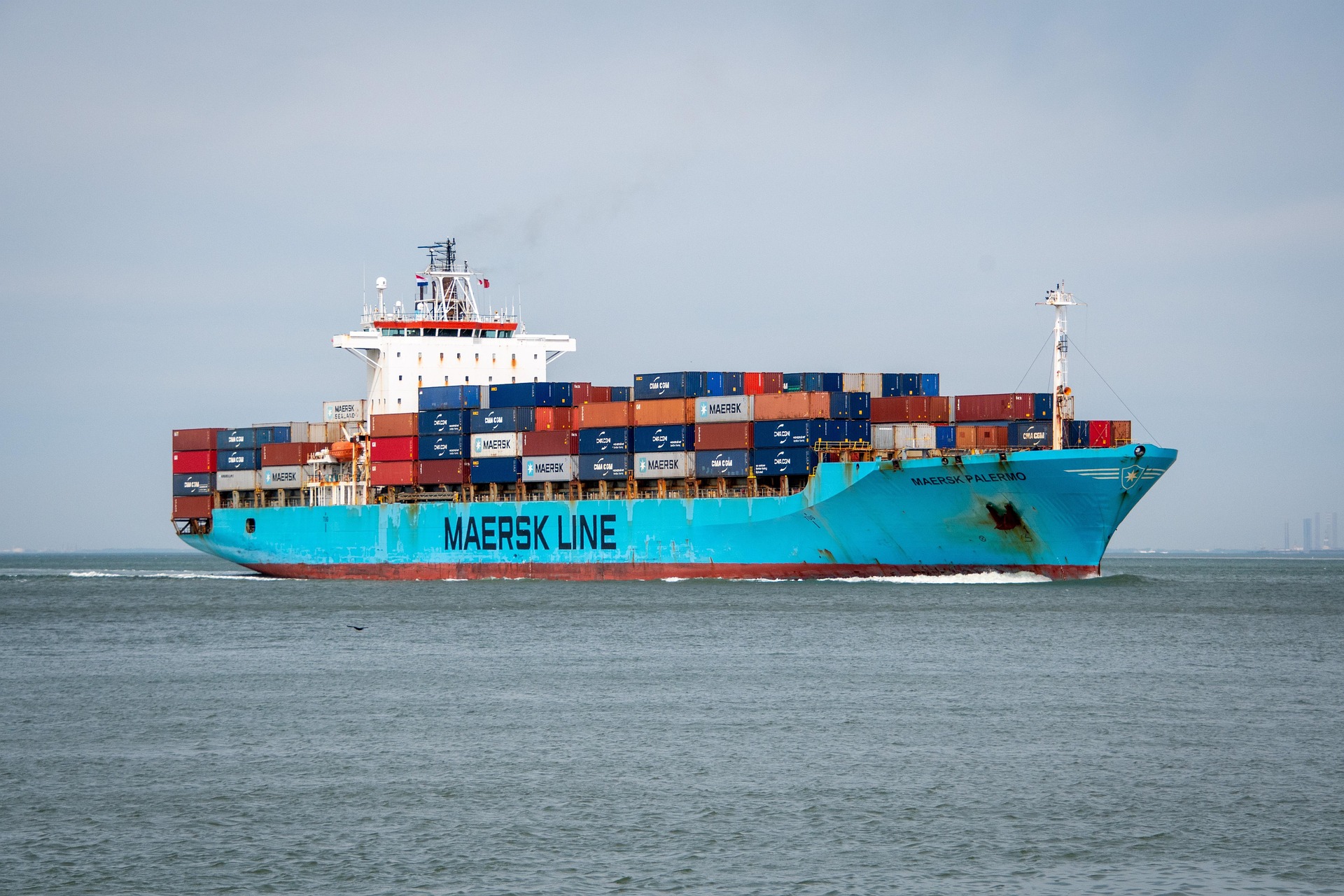
Maersk Introducing 60 Dual-Fuel Ships In Its Fleet 

In a groundbreaking move towards sustainable maritime practices, Maersk has announced plans to add up to 60 dual-fuel ships capable of running on bio-LNG. This strategic initiative marks a significant step in reducing the shipping industry’s carbon footprint and advancing cleaner fuel alternatives. 

Maersk, a global leader in container shipping, has unveiled an ambitious plan to bolster its fleet with up to 60 dual-fuel ships that can operate on bio-LNG. This moves underscores Maersk’s commitment to sustainability and its proactive approach to tackling the environmental challenges faced by the maritime industry. 

The Promise of Bio-LNG 

Bio-LNG, or liquefied biogas, is a renewable energy source derived from organic waste. It offers several compelling benefits for the maritime sector: 

  • Significant Emission Reductions: Bio-LNG can reduce greenhouse gas emissions by up to 85% compared to conventional marine fuels. Its use helps mitigate the impact of shipping on climate change. 
  • Renewable and Sustainable: Produced from organic waste, bio-LNG is a renewable energy source that supports circular economy principles. 
  • Compatibility with Existing Infrastructure: Dual-fuel ships can run on both conventional fuels and bio-LNG, allowing for a smoother transition and flexibility in fuel use. 

Maersk’s Strategic Shift 

By integrating dual-fuel ships into its fleet, Maersk is setting a new standard for the maritime industry. Key aspects of this strategic shift include: 

  • Fleet Modernization: The addition of dual-fuel ships will modernize Maersk’s fleet, enhancing its operational efficiency and sustainability. 
  • Reducing Carbon Footprint: Transitioning to bio-LNG is a pivotal step in Maersk’s broader strategy to achieve net-zero emissions by 2050. 
  • Industry Leadership: Maersk’s commitment to bio-LNG demonstrates its leadership in sustainable maritime practices, encouraging other industry players to follow suit. 

VURDHAAN’s Role in Maritime Sustainability 

At VURDHAAN, we specialize in supporting the maritime industry’s transition to sustainable practices. Our expertise encompasses key areas such as the EU Monitoring, Reporting, and Verification (MRV) system, MARPOL regulations, the Green Marine initiative, and the Clean Shipping Index. We offer comprehensive solutions to help maritime organizations achieve their sustainability goals. 

Our Comprehensive Approach 

  1. Support: We assist maritime stakeholders in understanding and complying with environmental regulations related to emissions reductions and sustainable fuel use. 
  1. Educate: Through tailored training programs and workshops, we equip industry professionals with the knowledge needed to navigate the complexities of sustainable maritime practices. 
  1. Implement: We collaborate with organizations to develop and implement effective sustainability strategies, ensuring that initiatives like bio-LNG integration are both environmentally and economically viable. 

Impact on the Maritime Industry 

Maersk’s adoption of bio-LNG is poised to have a far-reaching impact on the maritime industry: 

  • Environmental Benefits: The significant reduction in greenhouse gas emissions will contribute to global efforts to combat climate change. 
  • Economic Opportunities: The bio-LNG market is likely to grow, spurring investment in renewable energy and creating economic opportunities within industry. 
  • Regulatory Alignment: Maersk’s initiative aligns with increasing regulatory pressures to reduce maritime emissions, setting a precedent for compliance and innovation. 

Conclusion 

Maersk’s plan to add up to 60 dual-fuel ships capable of running on bio-LNG represents a major milestone in the journey towards sustainable shipping. This initiative not only advances Maersk’s environmental goals but also sets a benchmark for the industry. VURDHAAN is committed to supporting such transformative efforts, providing the expertise and resources needed to achieve a sustainable maritime future. 

Source