

World’s First Greenhouse Gas-Detecting Satellite: A New Era in Climate Monitoring 

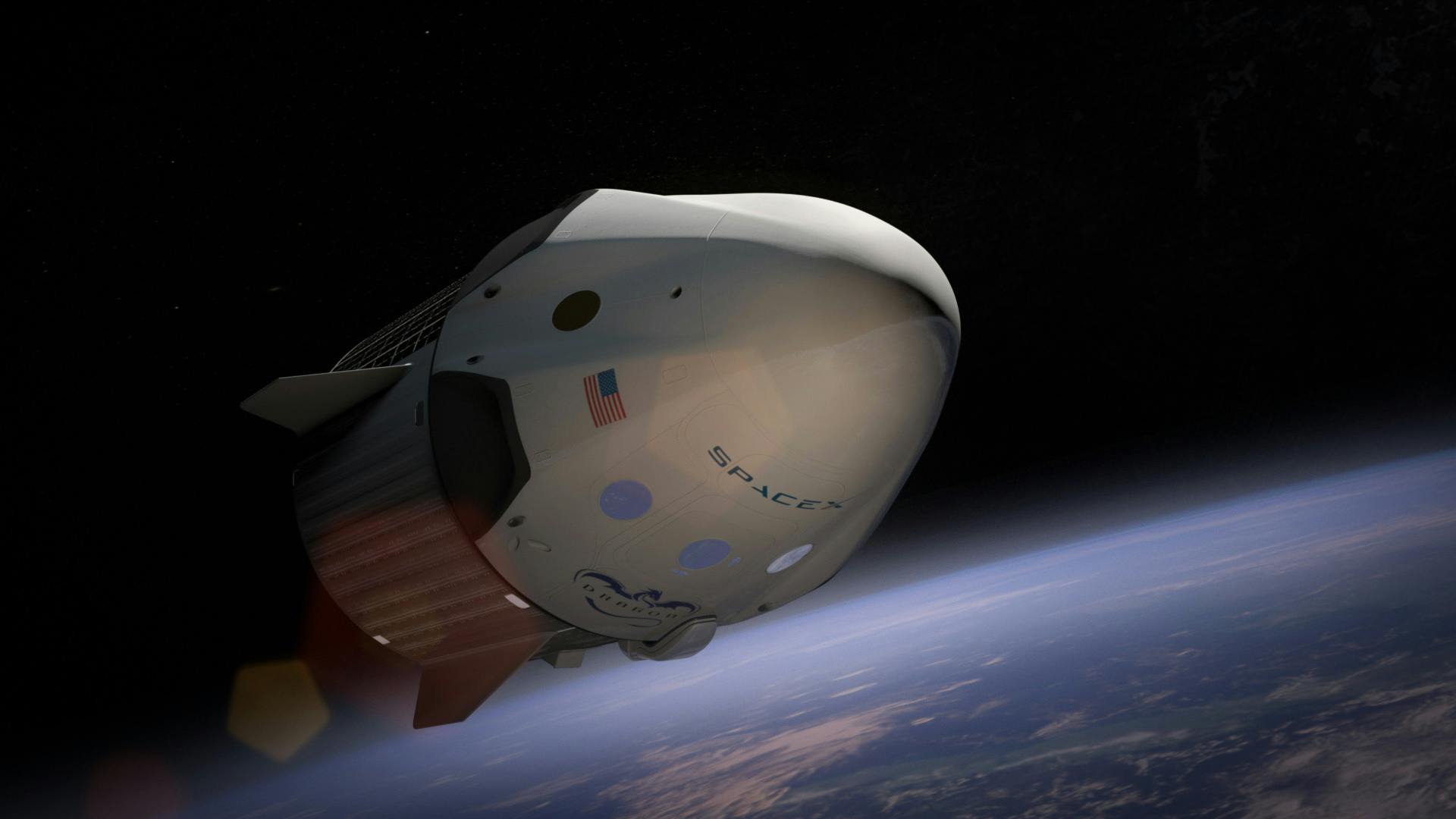
The global fight against climate change has reached new heights—literally—with the successful deployment of the world’s first advanced satellite designed to monitor greenhouse gas emissions from space. On August 16, a SpaceX Falcon 9 rocket launched from Vandenberg Space Force Base, California, carrying the groundbreaking Tanager-1 satellite. This mission marks a major leap in our ability to track and mitigate the impact of methane and carbon dioxide emissions on the Earth’s climate. 

A Game-Changing Satellite for Greenhouse Gas Tracking 

Developed by NASA’s Jet Propulsion Laboratory (JPL), Tanager-1 is equipped with an advanced imaging spectrometer that can precisely measure greenhouse gas emissions on a global scale. Unlike previous monitoring technologies, Tanager-1 can pinpoint emission sources down to individual facilities and pieces of equipment, offering unprecedented accuracy. 

Dr. Laurie Leshin, Director of the Jet Propulsion Laboratory, emphasized the importance of this mission: 

“The imaging spectrometer technology aboard Tanager-1 is the product of four decades of development at NASA JPL and is truly in a class of its own.” 

The data collected by Tanager-1 will be made publicly available through the Carbon Mapper Coalition, a nonprofit organization that played a key role in the satellite’s development alongside Planet Labs PBC and NASA JPL. 

Pinpointing Super-Emitters with Unmatched Precision 

Tanager-1’s mission is not just about gathering data—it’s about action. The satellite is specifically designed to detect and quantify emissions from “super-emitters,” major sources of methane and carbon dioxide that contribute disproportionately to global warming. By analyzing the unique spectral signatures of these gases, Tanager-1 can accurately identify and measure emissions, enabling targeted climate interventions. 

The Carbon Mapper Coalition’s data portal will serve as a critical resource for scientists, policymakers, and the public, empowering them to take informed action against climate change. 

The Science Behind Greenhouse Gas Detection 

Tanager-1 operates using an imaging spectrometer that measures light wavelengths reflected off the Earth’s surface. Different atmospheric compounds, such as methane and carbon dioxide, absorb specific wavelengths of light, leaving behind unique spectral “fingerprints.” These fingerprints allow the satellite to detect and quantify greenhouse gases with remarkable accuracy. 

In addition to Tanager-1, NASA’s EMIT (Earth Surface Mineral Dust Source Investigation) spectrometer, installed on the International Space Station, plays a complementary role. Together, these technologies provide comprehensive insights into greenhouse gas emissions and their impact on the planet’s climate. 

Collaboration at the Core of Innovation 

The successful launch of Tanager-1 highlights the power of cross-sector collaboration. Environmental scientists, tech innovators, and policymakers have come together to create a tool that will be instrumental in the global effort to combat climate change. The mission underscores the importance of making advanced data accessible and actionable, ensuring that it drives real-world policy changes and sustainable practices. 

Universities like the University of Arizona and Arizona State University are also playing a critical role by integrating real-world climate challenges into their curriculum. This hands-on approach prepares the next generation of scientists and engineers to tackle environmental issues with innovative solutions. 

VURDHAAN’s Role in Supporting Space Sustainability 

At VURDHAAN, we understand the critical role that space-based technologies play in advancing sustainability. Our expertise in space sustainability initiatives includes guiding organizations on topics such as the Space Sustainability Rating (SSR), space debris mitigation, and the development of climate monitoring systems. By supporting innovations like the Tanager-1 satellite, we help our clients integrate cutting-edge technologies into their sustainability strategies, driving global progress toward a cleaner future. 

A Vision for a Sustainable Future 

The Tanager-1 mission is more than just a technological breakthrough—it’s a powerful example of what can be achieved when diverse groups unite for a common purpose. As the world continues to face the challenges of climate change, collaborative initiatives like this will be key to safeguarding our environment for future generations. 

At VURDHAAN, we remain committed to supporting such transformative projects by providing expert guidance and innovative solutions that align with global sustainability goals. Together, we can leverage the power of technology and cross-sector collaboration to build a more sustainable and resilient world. 

Source

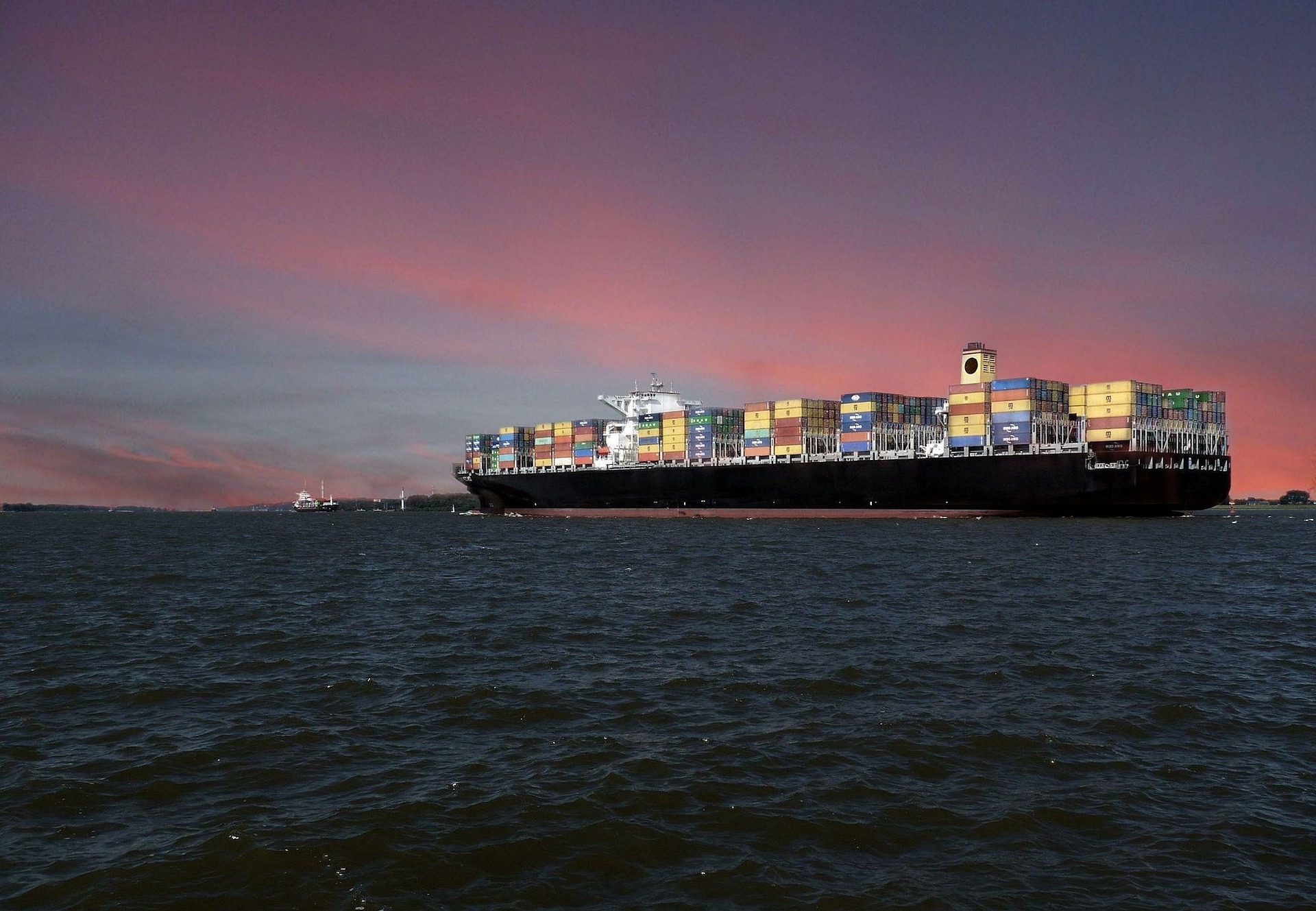
Charting a Greener Course: Stolt Tankers Embraces 100% Renewable Fuel for Reduced Emissions

Stolt Tankers Achieves Milestone by Transitioning to 100% Renewable Fuel on Barge

Stolt Tankers has taken a significant step forward in its sustainability journey by successfully bunkering its barge, Stolt Main, with 100% renewable fuel. The shift to using HVO100, a pure form of hydrotreated vegetable oil, marks a critical advancement in the company’s commitment to reducing carbon emissions and promoting cleaner fuel alternatives in the maritime industry.

A Breakthrough in Renewable Marine Fuels

HVO100 is a synthetic renewable diesel derived from processed vegetable oils and animal-based fats. Compared to traditional diesel, it offers substantial environmental benefits, including reduced carbon dioxide, nitrogen, and sulphur emissions. For more than three years, Stolt Main has been operating on HVO20, a blend of 20% HVO and 80% conventional diesel, which resulted in an 18% reduction in carbon emissions. Now, by transitioning to 100% HVO100 supplied by GoodFuels, Stolt Main is set to reduce its CO2 emissions by an impressive 90%.

This move represents a key milestone not only for Stolt Tankers but also for the broader maritime industry as it looks to accelerate the shift toward low-carbon fuels. The company’s proactive approach to exploring and adopting renewable fuels aligns with global regulatory goals, such as the European Union’s target of reducing carbon emissions by 55% by 2030.

Commitment to Sustainable Shipping

Stolt Tankers has long been committed to sustainability, consistently researching and testing the viability of biofuels across its fleet. Since announcing its partnership with GoodFuels in 2021, the company has steadily increased its use of renewable fuels as part of its strategy to lead the industry transition to low-carbon shipping. According to Maren Schroeder, President of Stolt Tankers:

“Stolt Tankers is committed to investigating renewable fuels and we strive to not only meet, but be ahead of the transition towards low-carbon fuels. Our latest move to HVO100 on Stolt Main supports our efforts to achieve our own sustainability ambitions and also meet regulatory requirements and industry targets.”

VURDHAAN’s Role in Driving Sustainable Maritime Solutions

At VURDHAAN, we are dedicated to supporting the maritime sector in navigating the complexities of sustainable fuel transitions and emissions reduction strategies. Our expertise spans crucial areas such as the implementation of biofuels, compliance with regulatory frameworks like the European Union’s Fit for 55 package, and the adoption of holistic carbon management strategies. Through our tailored consultancy services, we empower maritime organizations to explore renewable fuel options, optimize operations, and achieve their long-term sustainability goals.

A Promising Path to Cleaner Shipping

Stolt Tankers’ achievement in fully transitioning to HVO100 on Stolt Main highlights the potential of renewable fuels in decarbonizing shipping operations. As the industry moves closer to meeting international climate goals, the adoption of alternative fuels like HVO100 will play a pivotal role in reducing the carbon footprint of marine vessels.

At VURDHAAN, we are proud to be part of this journey by providing expertise, guidance, and innovative solutions to maritime operators who are committed to embracing cleaner, more sustainable practices. Together, we can help chart a course toward a greener future for the shipping industry.

Source

Breaking Down Marine Fuel Emissions: Why Full Lifecycle Analysis is Crucial

The shipping industry is at a crucial crossroads as it grapples with the need to decarbonize while navigating complex regulatory landscapes. Recent discussions at the Posidonia shipping exhibition in Greece have highlighted the sector’s cautious approach to sustainability, particularly when it comes to lifecycle emissions analysis of marine fuels. As we approach the International Maritime Organization’s (IMO) 82nd Marine Environment Protection Committee meeting in September, the focus on implementing a standardized well-to-wake framework has never been more important. 

The Need for a Lifecycle Approach in Shipping 

The well-to-wake approach in emissions analysis is pivotal for the shipping industry to fully understand the environmental impact of marine fuels. Unlike traditional emissions tracking, which primarily focuses on combustion, the well-to-wake model considers every stage of a fuel’s lifecycle—from extraction and production to transportation and final combustion. This comprehensive view is essential as the industry seeks to transition to alternative fuels and meet the IMO’s revised strategy for greenhouse gas (GHG) reductions by 2030 and 2040. 

While alternative fuels such as liquid natural gas (LNG) are often touted as cleaner options, a closer look reveals that their overall GHG footprint can be significantly affected by methane leaks during extraction and distribution. Methane has a short-term warming effect that is far more potent than CO₂, making it essential to account for these lifecycle emissions when evaluating fuel choices. 

The Well-to-Wake Approach: A Path to Informed Decision-Making 

The well-to-wake approach provides a clear path for ship operators, regulators, and the broader industry to make informed decisions that align with long-term sustainability goals. By adopting a lifecycle emissions framework similar to what the International Civil Aviation Organization (ICAO) uses for aviation, the shipping industry can foster greater transparency, encourage investment in cleaner technologies, and avoid the pitfalls of focusing solely on ship-level emissions. 

This approach not only supports more accurate GHG reduction strategies but also mitigates the risk of creating misguided incentives that fail to address the full environmental impact of marine fuels. By accounting for emissions from production to propulsion, the shipping sector can make better regulatory and business decisions that genuinely contribute to decarbonization. 

Overcoming Challenges in Global Emissions Accounting 

One of the key challenges with a full lifecycle emissions model is the risk of double counting emissions, especially in international contexts where fuel production and consumption occur in different countries. However, these concerns can be effectively addressed through transparent reporting and collaboration between Parties to the Paris Agreement and the IMO. By aligning international standards and ensuring consistent reporting practices, the industry can uphold the integrity of its emissions reduction strategies. 

What Lies Ahead for Sustainable Shipping 

As the industry explores various alternative fuel sources—each with unique emissions profiles—a robust lifecycle analysis is crucial for understanding the true environmental impact of these options. The Posidonia exhibition has made it clear that while technological innovations are taking center stage, the conversation must now shift toward adopting comprehensive regulatory frameworks that account for the full lifecycle of marine fuels. 

At VURDHAAN, we actively engage with shipping and maritime stakeholders to guide them in implementing sustainability strategies that go beyond conventional emissions tracking. Our expertise in lifecycle analysis, environmental impact assessments, and regulatory compliance allows us to help organizations align with evolving global standards while enhancing their environmental performance. We understand that addressing both operational and upstream emissions is key to meeting long-term decarbonization targets. 

Conclusion: A Comprehensive View for a Sustainable Future 

The shipping industry’s transition to cleaner fuels is crucial, but it’s only effective when supported by a well-to-wake emissions framework. By embracing lifecycle analysis, the sector can make informed, responsible choices that drive genuine progress toward global sustainability goals. As regulatory landscapes evolve and international collaboration deepens, adopting a full lifecycle perspective will be essential for building a greener future for maritime transportation. 

VURDHAAN remains committed to supporting the maritime industry on its journey toward true sustainability. With a holistic approach to emissions management, we help organizations navigate the complexities of the energy transition while contributing to a more sustainable and resilient shipping sector. 

Source 

PSA BDP’s New Carbon Dashboard Supports Shippers in Meeting Their Sustainability Targets

PSA BDP, a leading logistics and supply chain provider, has introduced an innovative Carbon Dashboard data service aimed at helping shippers accurately measure their freight carbon emissions. This new tool is designed to tackle one of the most significant challenges companies face in their sustainability efforts—gaining clear visibility and control over their Scope 3 greenhouse gas (GHG) emissions. 

Addressing a Key Industry Challenge 

The logistics and transportation sectors play a critical role in global supply chains but are also responsible for a substantial share of carbon emissions. As more organizations commit to reducing their carbon footprints, the need for precise and consolidated emissions data has become increasingly important. However, shippers often struggle with fragmented emissions reports, inconsistent methodologies, and a lack of a unified platform for tracking emissions across multiple carriers. 

The PSA BDP Carbon Dashboard offers a solution to these challenges by consolidating emissions data into a single, easy-to-use platform. This allows companies to monitor, track, and analyze their freight emissions with greater accuracy and consistency. By providing reliable data, the tool supports companies in setting realistic baselines and achievable targets for Scope 3 emissions reductions. 

Key Features of the Carbon Dashboard 

The new dashboard provides several benefits to shippers looking to enhance their sustainability strategies: 

  1. Consolidated Emissions Reporting: The platform gathers data from multiple forwarders and carriers, offering a comprehensive view of freight carbon emissions. 
  1. Consistency and Accuracy: By standardizing methodologies and tools, the dashboard ensures that companies receive consistent and accurate emissions reports. 
  1. Single-Platform Visibility: The tool delivers a unified view of emissions, making it easier for companies to manage their sustainability targets and track progress. 
  1. Support for Scope 3 Reductions: With clear, precise data, shippers can set effective baselines and targets for reducing Scope 3 GHG emissions, which cover indirect emissions throughout the supply chain. 

Peggy Murphy, VP of Sustainability at PSA BDP, highlighted the industry’s growing focus on sustainability, noting that while progress has been made, many customers still face difficulties in managing the complex tracking of freight emissions. She emphasized that the Carbon Dashboard will bridge this gap, empowering companies to enhance their environmental stewardship and contribute to a more sustainable future. 

VURDHAAN’s Role in Supporting Supply Chain Sustainability 

At VURDHAAN, we understand that comprehensive emissions tracking and management are crucial for organizations aiming to achieve their sustainability goals. Our expertise in sustainable logistics, carbon reporting, and supply chain optimization allows us to assist companies in navigating the complexities of Scope 3 emissions. By offering tailored solutions that integrate data management, reporting frameworks, and strategic implementation, VURDHAAN helps businesses enhance their ESG performance and align with global standards. 

A Step Forward in the Journey to Net-Zero 

The introduction of the Carbon Dashboard by PSA BDP is a significant step forward in addressing the challenges of freight emissions management. As companies continue to focus on sustainability, tools like these will become essential in driving progress toward net-zero goals. With enhanced visibility and reliable data, shippers can make informed decisions, track their sustainability performance, and lead the way in environmental stewardship. 

As a sustainability consultancy, VURDHAAN remains committed to supporting organizations in achieving their emissions reduction targets. By leveraging advanced tools, data insights, and industry expertise, we empower our clients to optimize their supply chain operations while contributing to a greener, more sustainable world. 

Source

Delhi Airport Becomes India’s First Net Zero Carbon Emission Airport 

In a groundbreaking achievement, Delhi’s Indira Gandhi International Airport (IGIA) has become the first airport in India to achieve ‘Net Zero Carbon Emission Airport’ status. This milestone was officially recognized under the Airport Carbon Accreditation (ACA) programme by Airport Council International (ACI) and proudly announced by Delhi International Airport Limited (DIAL). 

A Major Leap for Sustainable Aviation 

Delhi Airport’s success in reaching Level 5 of ACA certification is a testament to its dedication to environmental sustainability and innovative practices. The airport achieved this prestigious status six years ahead of the 2030 target, underscoring its commitment to reducing its carbon footprint while setting an inspiring precedent for airports across the nation and the globe. 

Strategies Behind the Achievement 

DIAL implemented several key strategies to achieve net zero carbon emissions: 

  1. Switching to Renewable Energy: The airport transitioned to clean and sustainable energy sources, reducing its reliance on fossil fuels and significantly cutting carbon emissions. 
  1. Promoting Electric Vehicles: Electric vehicles (EVs) were integrated into airport operations, reducing the emissions associated with traditional fuel-based transportation. 
  1. Upgrading Infrastructure: Continuous improvements in the airport’s infrastructure were made to enhance energy efficiency and support environmentally friendly practices. 

A Journey of Consistent Progress 

Delhi Airport has consistently advanced toward greater sustainability: 

  • 2016: The airport achieved carbon neutrality by balancing its carbon emissions with equivalent reductions. 
  • 2020: The airport reached Level 4+ accreditation, a major step in proving its dedication to sustainability. 

These milestones laid the foundation for the airport’s recent net zero achievement, demonstrating a long-term commitment to climate action. 

Looking Ahead: Future Goals 

DIAL’s CEO emphasized the airport’s future sustainability goals, which include exploring the use of sustainable aviation fuels (SAF) and addressing Scope 3 emissions—those indirect emissions from sources like passenger travel, waste management, and supply chain activities. By actively pursuing these initiatives, Delhi Airport is setting a high benchmark for climate responsibility and innovation in the aviation industry. 

VURDHAAN’s Role in Supporting Airport Sustainability 

At VURDHAAN, we are committed to supporting airports and aviation stakeholders in their sustainability journeys. We specialize in providing expert guidance on programs like Airport Carbon Accreditation, Sustainable Aviation Fuels (SAF), and holistic carbon management strategies. Through our support, education, and implementation approach, we help organizations achieve carbon reduction goals, align with global standards, and enhance their environmental performance. The success of Delhi Airport is an inspiring example of what’s possible when innovation and sustainability come together. 

Setting a New Standard in Aviation 

Delhi Airport’s achievement in becoming India’s first net zero carbon airport marks a new chapter in sustainable aviation. The airport’s proactive efforts and successful strategies demonstrate how airports can reduce their carbon impact while still supporting operational growth. As the world shifts towards greener practices, Delhi Airport stands as a model for others in the industry, showing that bold, forward-thinking actions are key to building a sustainable future. 
 
Source 

Modern Aircraft Contrails: A New Challenge in Aviation’s Path to Sustainability

In the pursuit of greener aviation, significant advancements have been made in reducing carbon emissions. Modern aircraft like the Airbus A350 and Boeing 787 are examples of how the industry has progressed, boasting fuel-efficient designs that minimize carbon footprints. However, a recent study from Imperial College London reveals that these environmental gains may be partially offset by a lesser-known factor: contrails.

Understanding the Contrail Conundrum

Contrails, short for condensation trails, are cloud-like streaks formed by aircraft exhaust at high altitudes. While they might appear harmless, contrails trap heat in the atmosphere, contributing to global warming. The study, published in Environmental Research Letters, used machine learning to analyze over 64,000 contrails from various aircraft over the North Atlantic Ocean. The findings show that modern jets, which typically cruise above 38,000 feet to reduce aerodynamic drag, produce contrails that last longer and potentially have a more significant warming effect than those from older aircraft.

Dr. Edward Gryspeerdt, the lead author and a Royal Society University Research Fellow at the Grantham Institute, explains that this presents a complex trade-off. On the one hand, the advanced designs of modern aircraft lead to lower carbon emissions. On the other hand, the persistent contrails these jets create could negate some of these climate benefits.

Balancing Carbon Reductions and Non-CO2 Effects

The aviation sector faces the dual challenge of reducing carbon emissions while also addressing non-CO2 effects like contrails. Although aircraft efficiency improvements are essential, the industry must now consider contrail formation as a critical factor in future designs and flight operations. For instance, minor adjustments in flight altitude could reduce contrail formation, offering a new angle in the fight against climate change.

VURDHAAN’s Role in Aviation Sustainability

At VURDHAAN, we recognize the importance of a holistic approach to aviation sustainability. While carbon reduction strategies such as CORSIA compliance and Sustainable Aviation Fuels (SAF) are vital, addressing non-CO2 impacts like contrails is equally critical. Our expertise in guiding organizations through comprehensive sustainability frameworks includes support for initiatives aimed at mitigating both carbon and non-CO2 effects. Through targeted education, research collaborations, and strategic implementation, we help our clients navigate the complexities of sustainable aviation.

Looking Ahead: A Collaborative Path to Greener Aviation

The findings from this study highlight that achieving true sustainability in aviation requires addressing both carbon emissions and other environmental impacts, such as contrails. As the industry continues to innovate, the focus must broaden to include all aspects of climate change mitigation. By working together across sectors—combining technological advancements with operational strategies—the aviation industry can move closer to achieving its net-zero goals.

VURDHAAN remains committed to supporting this transition, offering expertise in regulatory compliance, low-emission technologies, and holistic sustainability strategies. Together, we can ensure that the skies of tomorrow are not only cleaner but also contribute positively to the fight against global .

Source

Alaska Airlines Bets on JetZero’s Innovative Design to Cut Aviation Emissions by 50%

In a bold move towards sustainable aviation, Alaska Airlines has invested in JetZero, a company pioneering a new blended-wing body (BWB) aircraft that promises to deliver up to 50% less fuel burn and significantly lower emissions. The investment, made through Alaska Star Ventures (ASV), underscores the airline’s commitment to advancing innovative technologies that align with its ambitious goal of achieving net-zero carbon emissions by 2040.

Redefining Aircraft Design for a Sustainable Future

The blended-wing body design is a revolutionary leap in aviation technology, integrating the wings and fuselage into a single smooth shape. This innovative structure reduces aerodynamic drag, leading to more efficient flights. JetZero’s BWB aircraft is expected to offer a 50% reduction in fuel consumption compared to traditional tube-and-wing designs, making it a game-changer for reducing carbon emissions and operating costs.

Additionally, the aircraft’s spacious interior will allow for more flexible seating arrangements, improving passenger comfort and delivering a quieter, smoother flight experience. This blend of efficiency and enhanced passenger experience positions JetZero’s design as a cornerstone of sustainable air travel.

Alaska Airlines’ Vision for Net-Zero Emissions

Alaska Airlines’ investment in JetZero aligns with its broader sustainability strategy, which includes operational efficiency, fleet renewal, sustainable aviation fuels (SAFs), waste reduction, and electrified aircraft. Through Alaska Star Ventures, the airline is focusing on identifying and supporting technologies that will propel the industry towards a more sustainable future. By backing JetZero, Alaska is taking a proactive role in shaping the next generation of aircraft that can achieve these goals.

Diana Birkett Rakow, Senior Vice President of Public Affairs and Sustainability at Alaska Airlines, emphasized the significance of the partnership:

“We are proud to invest in JetZero’s development of this innovative next-generation aircraft, with a significant step-change in fuel efficiency. We and JetZero share a vision for more sustainable aviation, and we are excited to partner with them in creating that future.”

The Industry Impact: Leading the Path to Greener Skies

The investment by Alaska Airlines highlights a growing trend in the aviation industry where companies are seeking out innovative solutions to drastically reduce emissions. As one of the first airlines to invest in JetZero, Alaska sets a strong precedent for industry leaders to explore new aircraft designs that prioritize sustainability.

The BWB design has the potential to not only transform fuel efficiency but also redefine passenger experience with its unique interior layout and quieter cabins. As airlines globally continue to pursue decarbonization strategies, such forward-thinking investments are crucial for driving the shift towards a greener, more sustainable aviation landscape.

VURDHAAN: Supporting the Future of Sustainable Aviation

At VURDHAAN, we are closely following developments like JetZero’s BWB aircraft as part of our commitment to supporting the aviation industry in its sustainability journey. Our expertise spans key areas such as Sustainable Aviation Fuels (SAF), CORSIA compliance, and the integration of low-emission technologies. Through our holistic approach—offering support, education, and strategic implementation—we guide our clients in adopting innovations that align with their sustainability goals and enhance their overall environmental performance.

A Step Forward for Aviation Innovation

JetZero’s cutting-edge blended-wing aircraft, backed by Alaska Airlines, signals a promising future for aviation. With the potential for drastic reductions in fuel burn and emissions, this technology is set to make a substantial impact on the industry’s sustainability efforts. As more airlines and stakeholders commit to innovative designs and technologies, the path toward a net-zero aviation sector becomes increasingly attainable—an outcome that VURDHAAN is proud to champion through our expertise and strategic insights.

Source

China’s New Sustainable Aviation Fuel (SAF) Policy: Paving the Way for a Greener Aviation Future

In its latest move towards sustainability, China has introduced a comprehensive policy aimed at accelerating the adoption of Sustainable Aviation Fuel (SAF) within its aviation sector. This strategic initiative underscores the country’s commitment to reducing carbon emissions and achieving carbon neutrality by 2060. As the aviation industry faces growing pressure to decarbonize, China’s proactive approach to SAF development positions it as a key player in the global push for greener air travel.

The Rise of SAF: A Global Perspective

Aviation contributes roughly 2-3% of global CO2 emissions, and with air travel steadily increasing, finding solutions to mitigate this impact is crucial. SAF, produced from renewable resources like biomass and waste oils, offers up to an 80% reduction in lifecycle greenhouse gas emissions compared to conventional jet fuels. Recognizing this potential, countries worldwide, including the European Union and the United States, have introduced initiatives like ReFuelEU Aviation and the SAF Grand Challenge to promote SAF production and usage.

China’s SAF Policy: A Bold Step Forward

China’s new SAF policy is a critical component of its broader climate strategy. The policy sets out ambitious goals, such as producing 10 million tons of SAF annually by 2030 and mandating airlines to blend SAF with conventional jet fuel. By 2025, airlines will need to achieve a 2% SAF blend, which will gradually increase to 15% by 2030. Alongside regulatory mandates, the policy emphasizes technological innovation, financial incentives, and international collaboration.

Key Objectives Include:

  1. Scaling SAF Production: Building a robust domestic SAF supply chain and encouraging investment in production facilities.
  2. Promoting SAF Adoption: Introducing blending mandates for airlines to gradually increase SAF usage.
  3. Driving Technological Innovation: Investing in advanced biofuels, synthetic fuels, and carbon capture technologies.
  4. Fostering Global Collaboration: Strengthening partnerships with other countries to align SAF standards and accelerate global adoption.

Strategic Measures to Drive Success

China’s SAF policy is supported by a combination of regulatory frameworks, financial incentives, and extensive R&D initiatives. The Civil Aviation Administration of China (CAAC) has implemented phased mandates for SAF blending, while the government offers tax breaks, subsidies, and low-interest loans to encourage SAF production. Innovation hubs and R&D programs focus on cutting-edge technologies to scale SAF production efficiently and sustainably.

Potential Global Impact

As one of the world’s largest aviation markets, China’s SAF policy could set a benchmark for other nations. By stimulating SAF production and fostering international cooperation, China’s efforts may lower global SAF costs, making it more accessible for airlines worldwide. Additionally, China’s leadership in SAF technology could drive advancements that benefit the entire global aviation industry.

VURDHAAN’s Commitment to Sustainable Aviation

At VURDHAAN, we actively support initiatives like China’s SAF policy by offering tailored solutions that guide organizations toward compliance and sustainability goals. Our expertise spans crucial areas such as Sustainable Aviation Fuels, CORSIA compliance, and carbon reduction strategies. Through our comprehensive approach—support, education, and implementation—we empower our clients to lead in sustainable aviation practices, enhancing their environmental performance and market position.

Addressing Challenges and Moving Forward

While China’s SAF policy is a promising step, it faces challenges such as scalability, feedstock sustainability, and economic viability. Large-scale SAF production requires significant infrastructure investments, and maintaining sustainable feedstock sources is vital to avoid unintended environmental impacts. Despite the higher cost of SAF compared to conventional fuels, continuous investment in innovation and supportive government policies can address these concerns.

Conclusion: Leading the Way to a Sustainable Future

China’s SAF policy represents a significant leap toward decarbonizing aviation and achieving long-term climate goals. By fostering a robust SAF ecosystem and encouraging global collaboration, China is setting a positive example for other nations. As the aviation industry continues to evolve, policies like this one could pave the way for a greener and more sustainable future in air travel—one that VURDHAAN is fully equipped to support through expert guidance and innovative solutions.

Source

FAA Invests $291 Million in the Future of Sustainable Aviation

The U.S. Federal Aviation Administration (FAA) has recently made a significant stride toward sustainable aviation by allocating $291 million in grants under its Fueling Aviation’s Sustainable Transition (FAST) discretionary grant program. This investment, spread across 36 projects, is aimed at bolstering the development of sustainable aviation fuels (SAFs) and advancing low-emission technologies. The initiative aligns with the U.S. aviation sector’s ambitious goal of achieving net-zero greenhouse gas emissions by 2050, marking a crucial step forward in building a greener future for the industry. 

Accelerating Sustainable Aviation Fuels (SAFs) Development 

Out of the total grant, an impressive $244.5 million is directed towards 22 projects focused on sustainable aviation fuels. SAFs have emerged as a key solution to reducing carbon emissions in aviation without compromising current air connectivity. These fuels, derived from renewable sources, produce significantly lower lifecycle carbon emissions compared to conventional jet fuels. The heavy investment reflects the industry’s confidence that SAFs offer the most viable near-term solution for meaningful carbon reduction. 

The SAF-related grants are categorized into two tiers: 

  • Tier 1: Seven projects are conducting SAF supply chain studies to identify infrastructure needs. These projects primarily benefit the Southwestern states and Alaska, where SAF consumption has been slower to develop. 
  • Tier 2: Fifteen projects aim to build the necessary infrastructure for SAF production, transportation, blending, and storage. California leads in this tier, securing over $100 million in funding. Notably, Martinez Renewable received a $50 million grant to upgrade its facility for producing synthetic paraffinic kerosene (SPK), with an anticipated output of 100 to 350 million gallons of SAF annually by 2027. 

Pioneering Low-Emission Aviation Technologies 

The remaining $46.5 million is allocated to 14 projects dedicated to low-emission aviation technologies, covering a wide spectrum of advancements. Thirteen of these projects fall under Category 1, which focuses on improving fuel efficiency, developing alternative propulsion systems, and enhancing aerodynamics. 

Prominent recipients include: 

  • Boeing, which is advancing fuel load optimization technologies, expected to reduce unnecessary fuel consumption. 
  • ZeroAvia, Wright Electric, and Heart Aerospace, leading innovators in hydrogen, battery, and hybrid-electric power solutions. 
  • JetZero and Otto Aviation, working on next-generation aerodynamic configurations, receiving $8 million and $7 million, respectively. 

Category 2 features a single recipient, the University of Illinois, which will establish a megawatt-level testing facility for electrified aircraft systems, contributing to zero-emission aviation technology. 

VURDHAAN’s Commitment to Sustainable Aviation 

At VURDHAAN, we closely follow these developments and actively engage in the sustainable aviation sector. Our expertise spans critical areas like CORSIA compliance, Sustainable Aviation Fuels, and supporting organizations in their journey towards carbon-neutral operations. With our holistic approach—spanning support, education, and implementation—we assist companies in navigating sustainability regulations and adopting innovative technologies. The FAA’s latest grants represent a significant opportunity for the industry, and we are committed to guiding our clients to capitalize on such advancements. 

A Greener Future in Sight 

The FAA’s $291 million investment in SAFs and low-emission technologies underscores a clear message: the transition to sustainable aviation is not only necessary but achievable. As the industry rallies around these innovative solutions, we at VURDHAAN are ready to support organizations in embracing these transformative changes, ensuring they remain at the forefront of sustainable aviation practices. 

Source

Astroscale Japan Takes on Phase II of JAXA’s Space Debris Removal: Pioneering Orbital Clean-Up

In a significant advancement for space sustainability, Astroscale Japan has been awarded a contract for Phase II of the Japan Aerospace Exploration Agency’s (JAXA) Commercial Removal of Debris Demonstration (CRD2) program. This initiative, valued at approximately 13 billion yen, is one of the world’s first large-scale demonstrations focused on removing unprepared space debris from orbit. The program highlights the increasing need to address space debris—a challenge that’s becoming ever more critical as the number of satellites and missions in orbit continues to rise. 

The Mission: Tackling Unprepared Space Debris 

The CRD2 program targets the removal of an unprepared Japanese upper stage rocket body. Unlike debris equipped with docking aids or removal technologies, unprepared objects pose a greater challenge in space debris mitigation. In Phase I, Astroscale Japan developed the Active Debris Removal by Astroscale-Japan (ADRAS-J), a pioneering mission that successfully executed rendezvous and proximity operations (RPO) to approach and survey the rocket body. 

ADRAS-J’s groundbreaking achievements include capturing detailed imagery and assessing the structural condition of the debris. The mission’s follow-up spacecraft, ADRAS-J2, is set to enhance these operations by safely capturing and deorbiting the debris using robotic arm technologies. With its successful Phase I operations, including controlled fly-around observations at a mere 50-meter distance, ADRAS-J2 is poised to play a vital role in global space debris remediation. 

Space Sustainability: A Growing Global Priority 

Astroscale’s work in space debris removal is a significant step forward in ensuring long-term orbital sustainability. As the commercial space sector expands, addressing the mounting issue of space debris is crucial. Left unmanaged, this debris poses risks not only to operational satellites but also to future missions. JAXA’s support and collaboration with commercial entities like Astroscale set a strong precedent for how governments and private enterprises can work together to safeguard the future of space operations. 

VURDHAAN’s Commitment to Space Sustainability 

At VURDHAAN, we recognize the growing importance of space sustainability as a core component of responsible development. Our consultancy is actively engaged in advising stakeholders on best practices for mitigating space debris, including supporting the implementation of standards like the Space Sustainability Rating (SSR). We help organizations navigate the complexities of the Outer Space Treaty and develop strategies to reduce the environmental impact of their missions, ensuring that space remains a viable domain for exploration and commerce. 

Astroscale’s Milestone in Space Debris Mitigation 

The successful execution of ADRAS-J and the upcoming ADRAS-J2 mission underscore how rapidly the field of space sustainability is evolving. Astroscale’s technological advancements, such as proximity operations and collision avoidance systems, are setting new standards for debris removal. The continuation of the CRD2 program not only accelerates Japan’s leadership in space sustainability but also serves as a model for international collaboration in addressing the pressing issue of space debris. 

Conclusion: Shaping a Sustainable Future in Space 

Astroscale Japan’s Phase II contract with JAXA marks a critical juncture in space debris management, reflecting a broader commitment to orbital sustainability. As the industry leader in on-orbit servicing, Astroscale’s ongoing efforts exemplify how innovation and collaboration can lead to real progress in mitigating space debris. At VURDHAAN, we remain dedicated to supporting such groundbreaking initiatives through our expertise in space sustainability frameworks, helping our clients play a meaningful role in the sustainable future of space exploration and operations. 

With this momentum, the journey toward a cleaner and safer orbital environment continues—and VURDHAAN is here to guide organizations every step of the way. 

Source