

Numbers Show Decarbonization Remains on Course
DNV Alternative Fuels Insight platform recorded two hundred seventy five orders for ships capable of using alternative fuels during 2025. Although overall newbuild contracts fell sharply after the historic rush of 2024, vessels with cleaner energy options still represented thirty eight percent of gross tonnage. The data illustrates that owners are retaining long term carbon strategies even as they adjust to economic headwinds.
Container Segment Drives Momentum
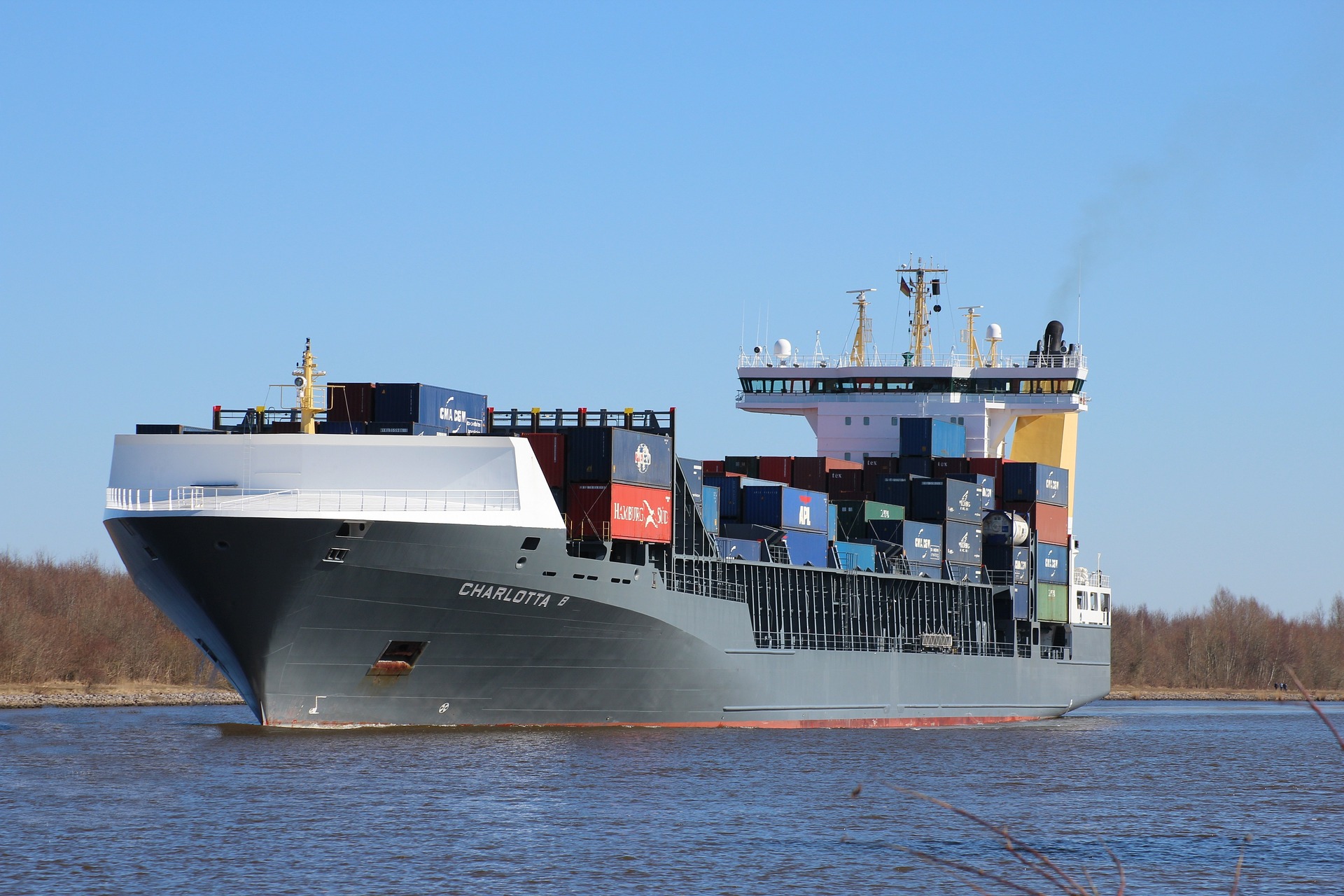
Containerships alone accounted for nearly half of all tonnage ordered and sixty eight percent of alternative fuel bookings. Most of those contracts specified liquefied natural gas dual fuel capability, with methanol a growing second choice. The concentration reflects established global bunkering networks for LNG and the clear demand from cargo owners who wish to measure and cut supply chain emissions.
Insight: Stability Encourages Supply Investments
A non obvious outcome of steady alternative fuel share is confidence among infrastructure providers. Twenty two additional LNG bunker vessels joined the orderbook in 2025 alongside new methanol and biofuel tankers. Predictable demand allows financiers to underwrite terminals, barges, and training programs, which in turn reduce perceived risk for shipowners considering future orders.
Beyond Containers
Passenger vessels, car carriers, and pure car and truck carriers also supported the numbers, while wind assisted propulsion added further efficiency with twenty four ships delivered. Even in segments that remained cautious, designers responded with dual fuel readiness and modular energy saving devices, ensuring fleets can switch fuels when regulation or market signals strengthen.
Conclusion
The 2025 figures confirm that the maritime energy transition is broadening beyond headline order spikes. Consistent tonnage share, rising infrastructure capacity, and ship level flexibility suggest that alternative fuels are becoming routine commercial decisions rather than experimental outliers. This steady normalization will help crews gain familiarity, regulators refine guidance, and investors unlock capital for the next wave.